
Leif Rydell
South Africa feb 26
In February I went to South Africa on a combo trip. Both as a birding/ wildlife trip and to see my son who stayed here in Cape Town for 2 months. I flew in to Johannesburg as I had booked a BirdingPal tour with my friend Nick. Andy who was our guide is a veteran when it comes to birding here and he knew all the birds. At two locations we also had local guides as well.
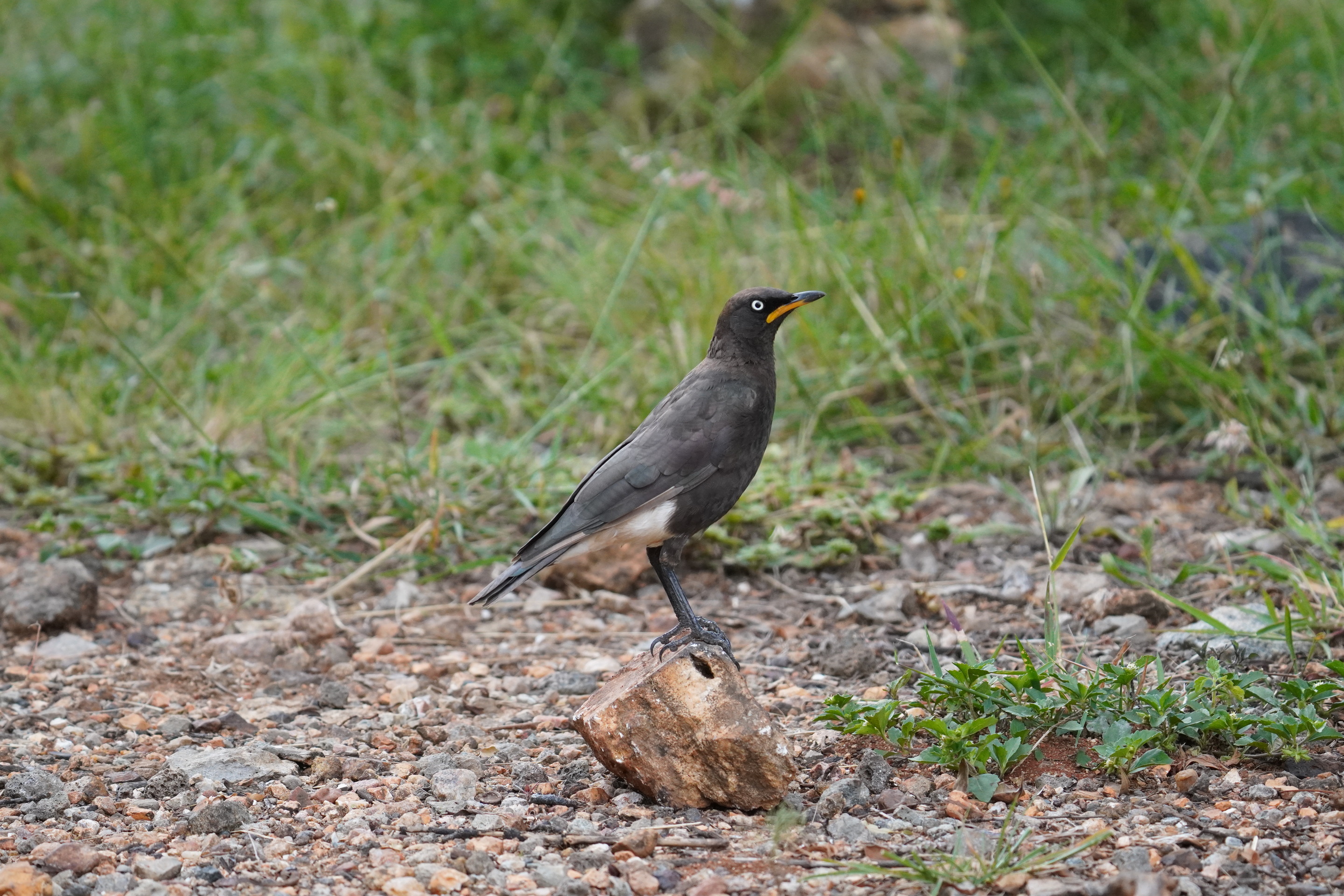
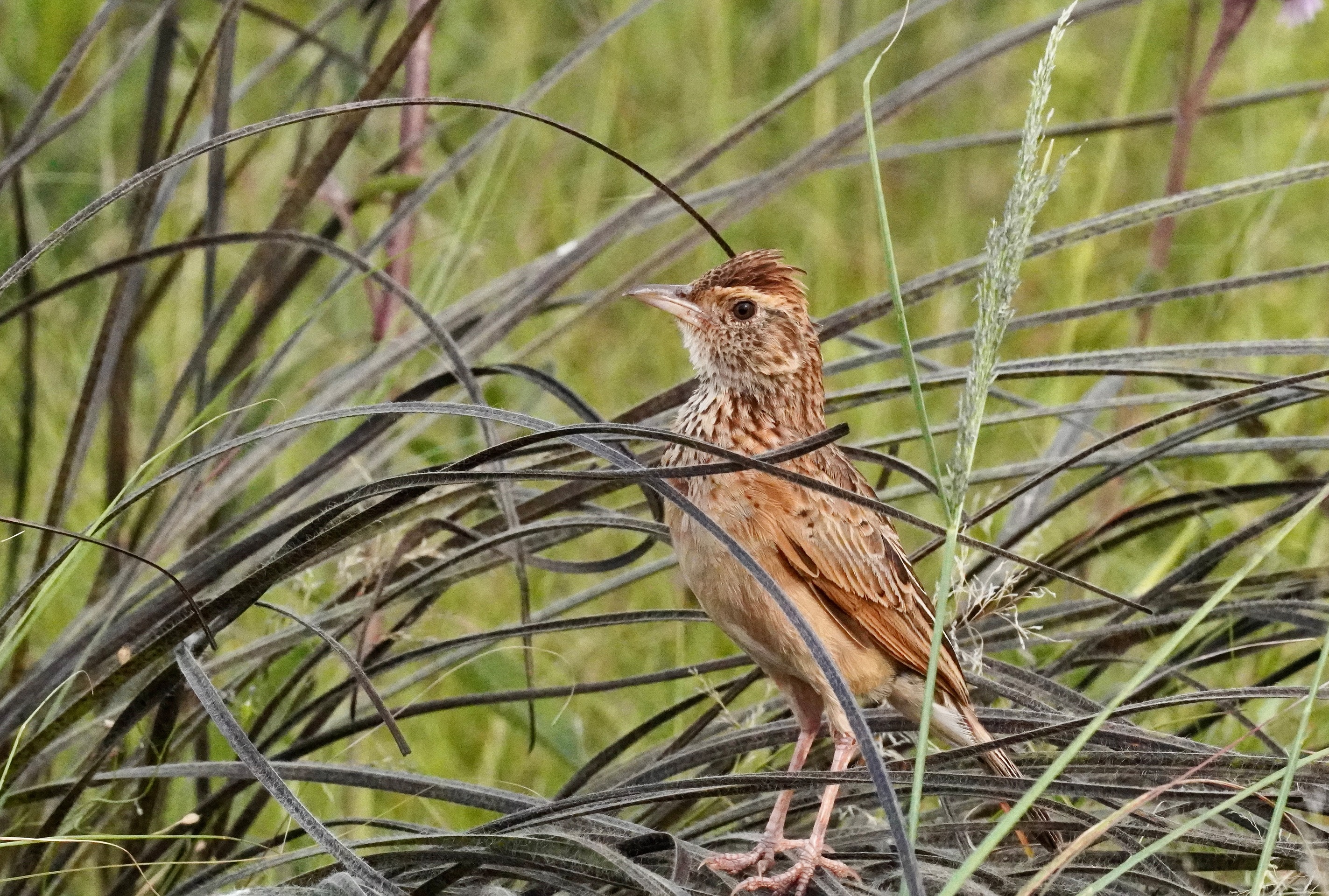
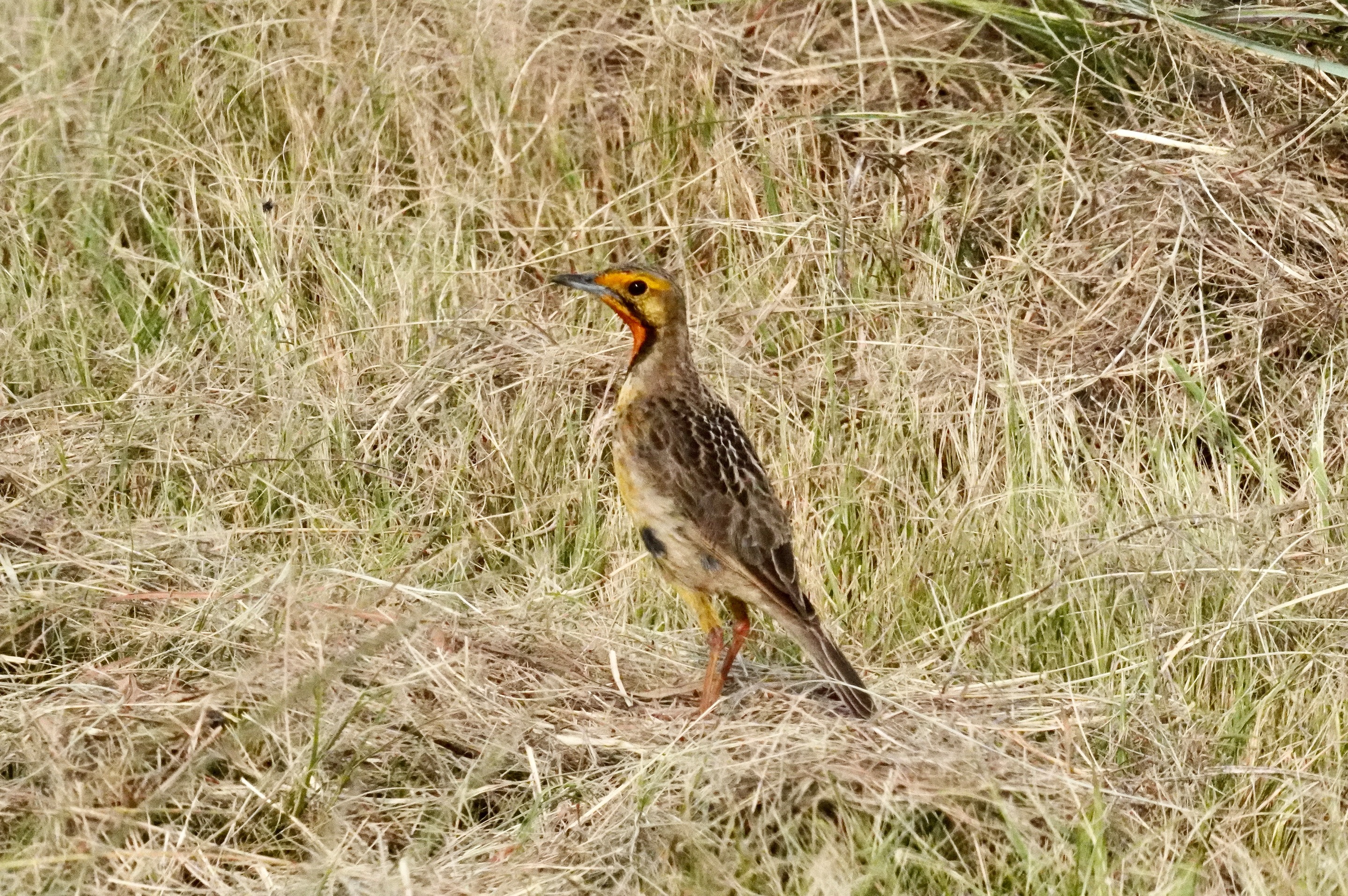
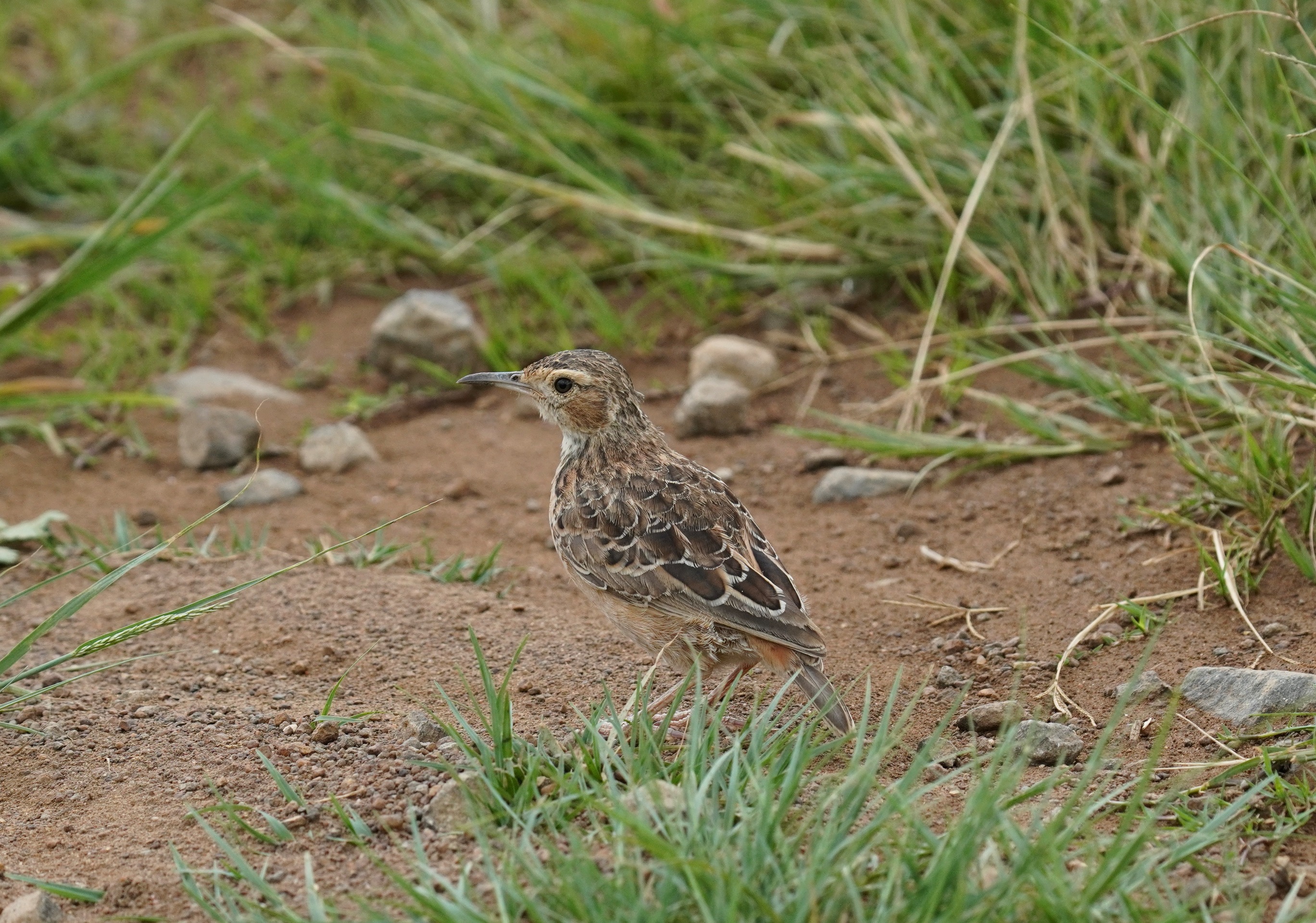
The first destination was Rietvlei NR close to the town. A convenient start as I only had a half first day. Plenty of birds and mammals where seen and among these Af Wattled Lapwing, Pied Starling, Rufous-naped Lark and the stunning Cape Longclaw.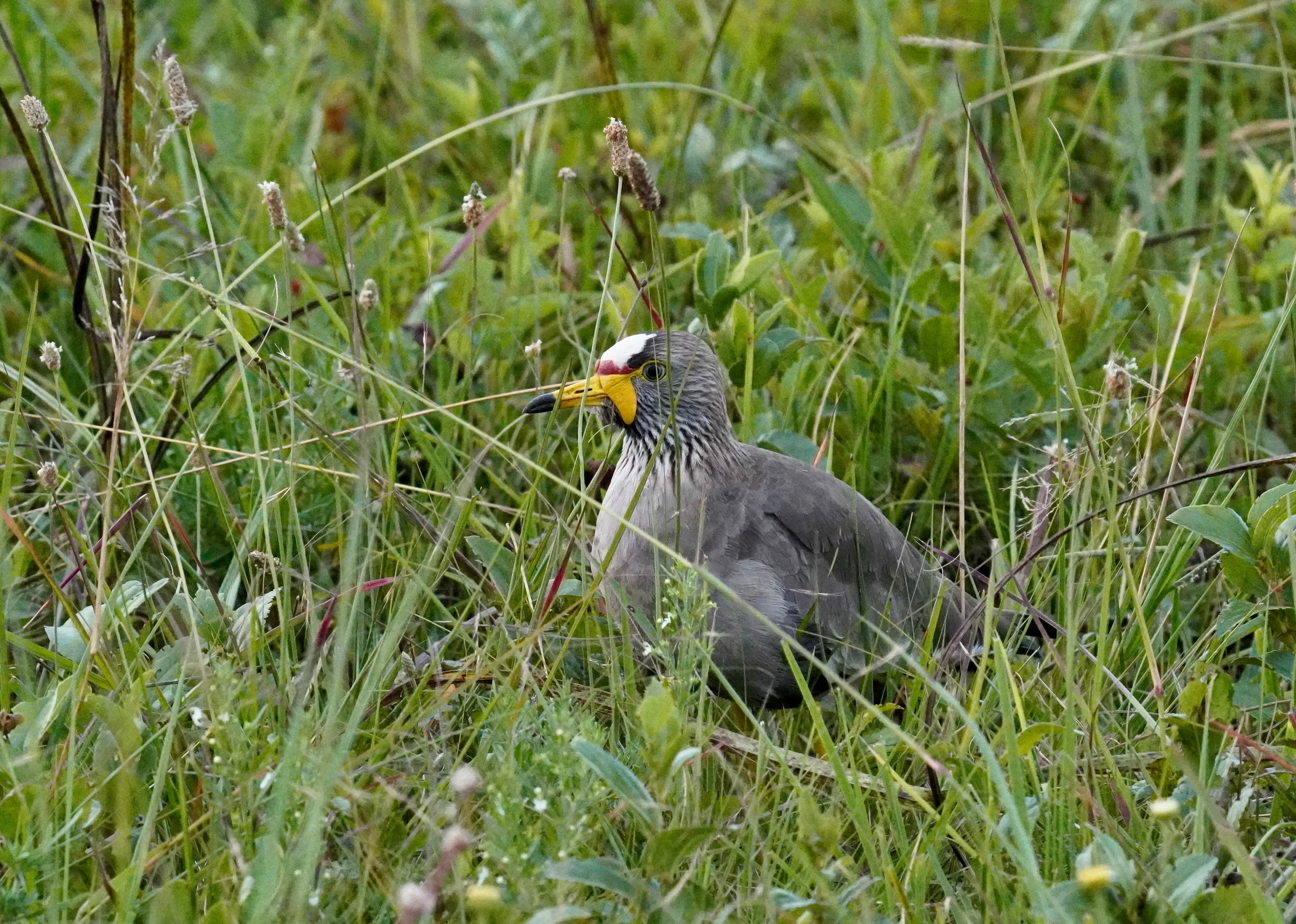
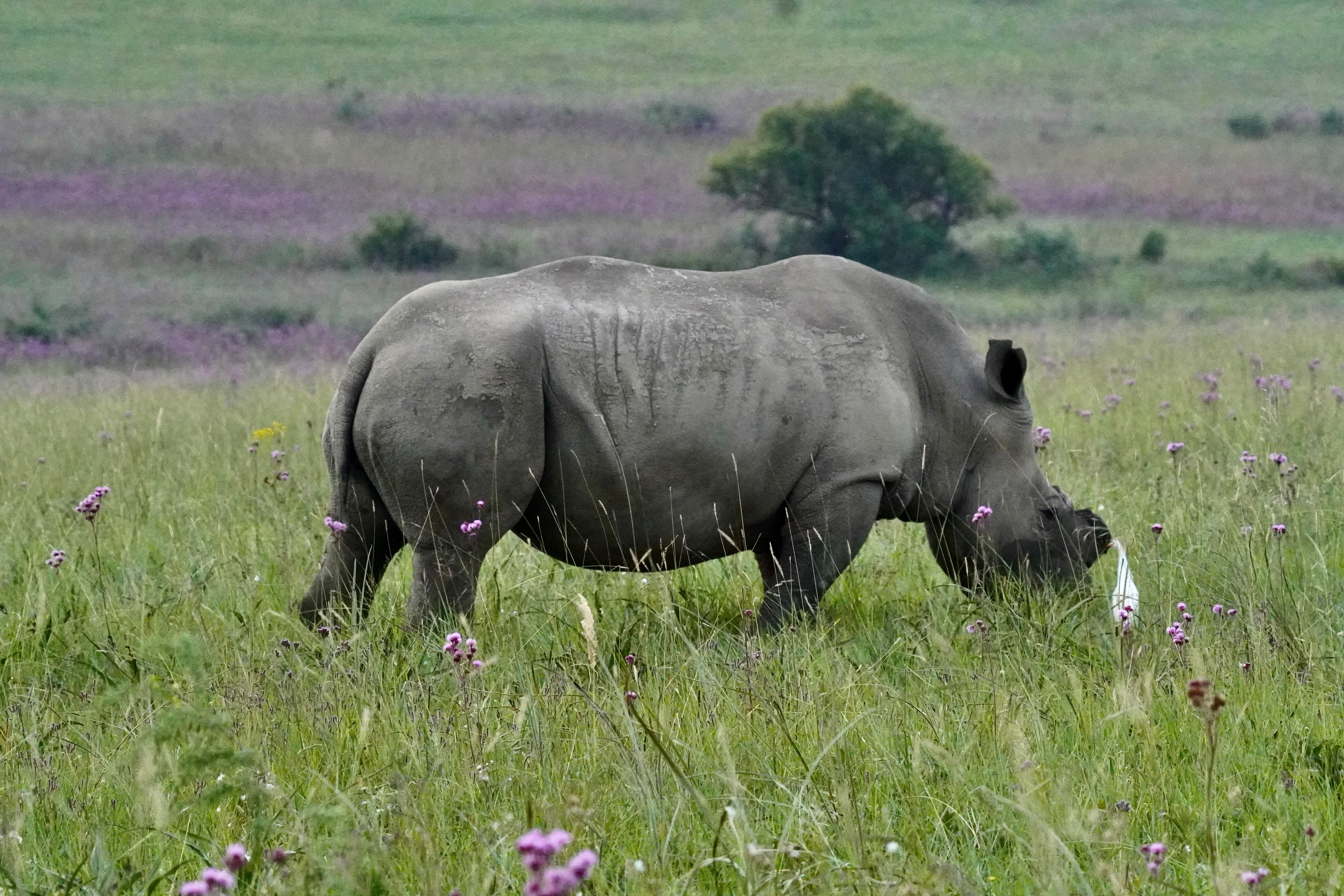
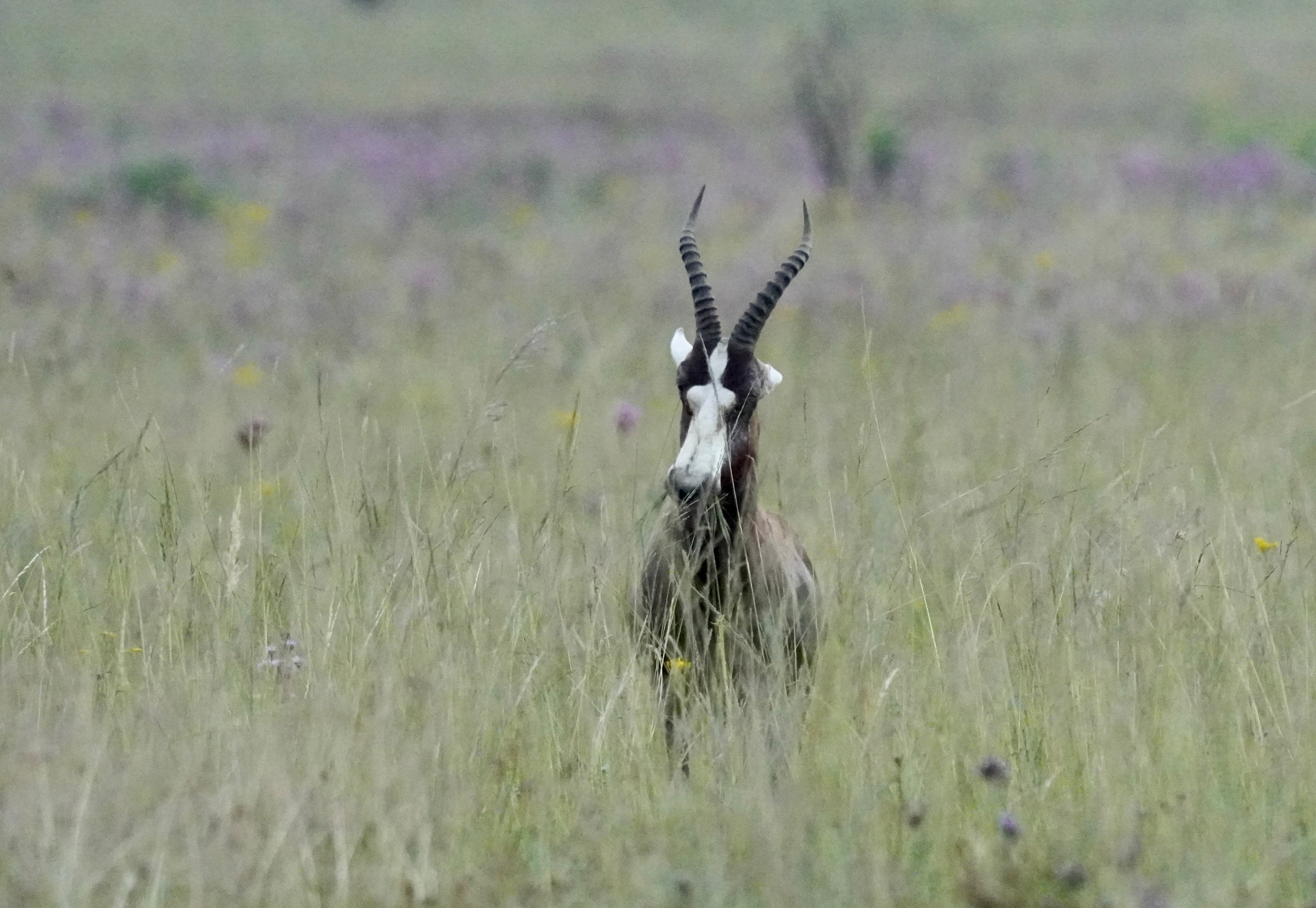
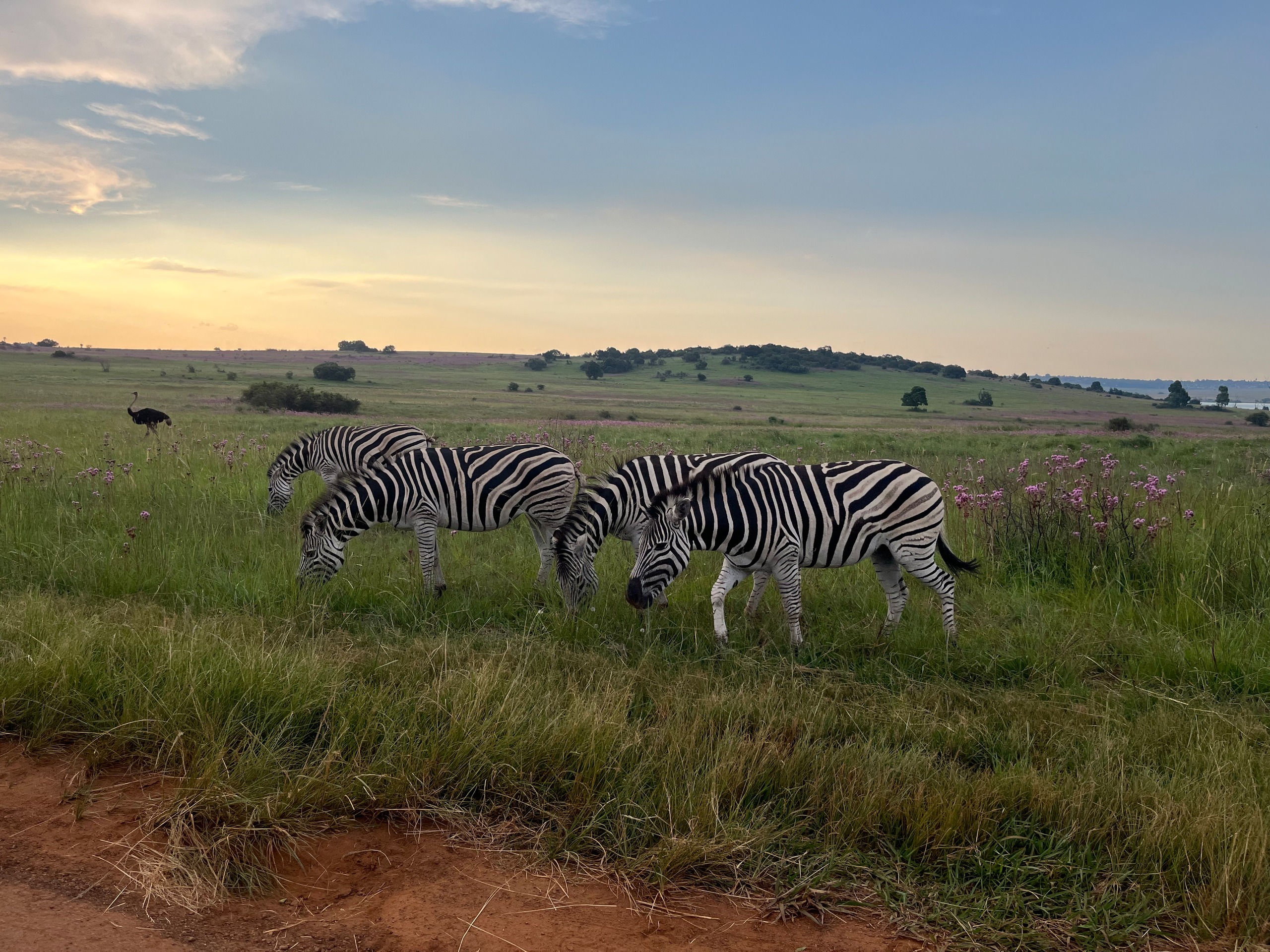
Some nice African mammals as well with White Rhino on top of a Blesbok and an evening flock of Zebras.
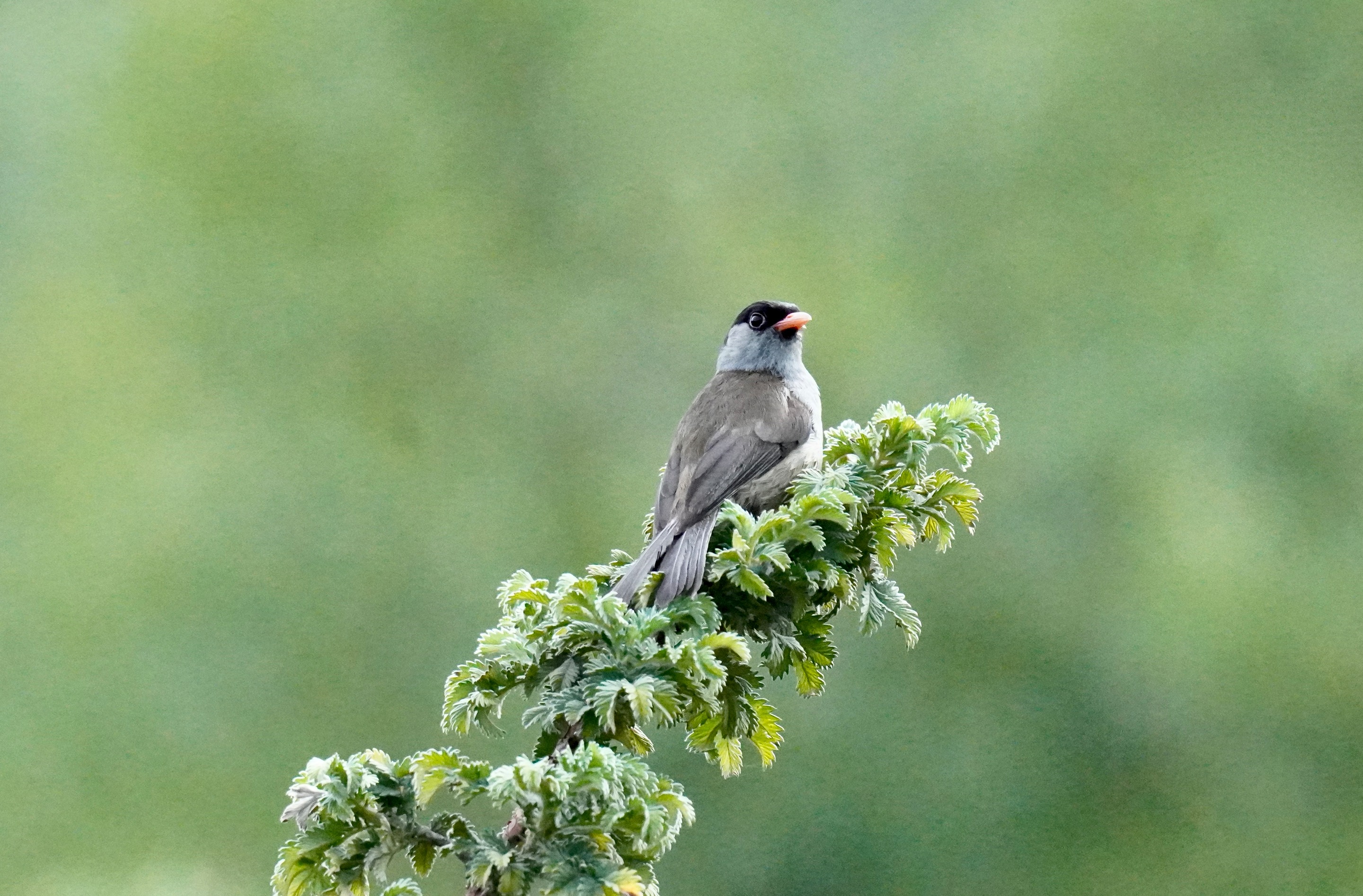
After a night at a central hotel we were picked up by Andy and headed south towards Lesotho. In the plan was a trip up along the rough road on Sani Pass and up on the plateau in Lesotho. After a very long drive we stayed at a local lodge commonly used by birders. The next day, Stuart, orur local guide picked us all up. His car is more suitable for the rough road up along Sani Pass. On the way we stopped at several location for some local specialties like this Bush Blackcap. Here we also had some breakfast. You see from left Stuart, Andy and Nick . The mountains behind is where we will be climbing.

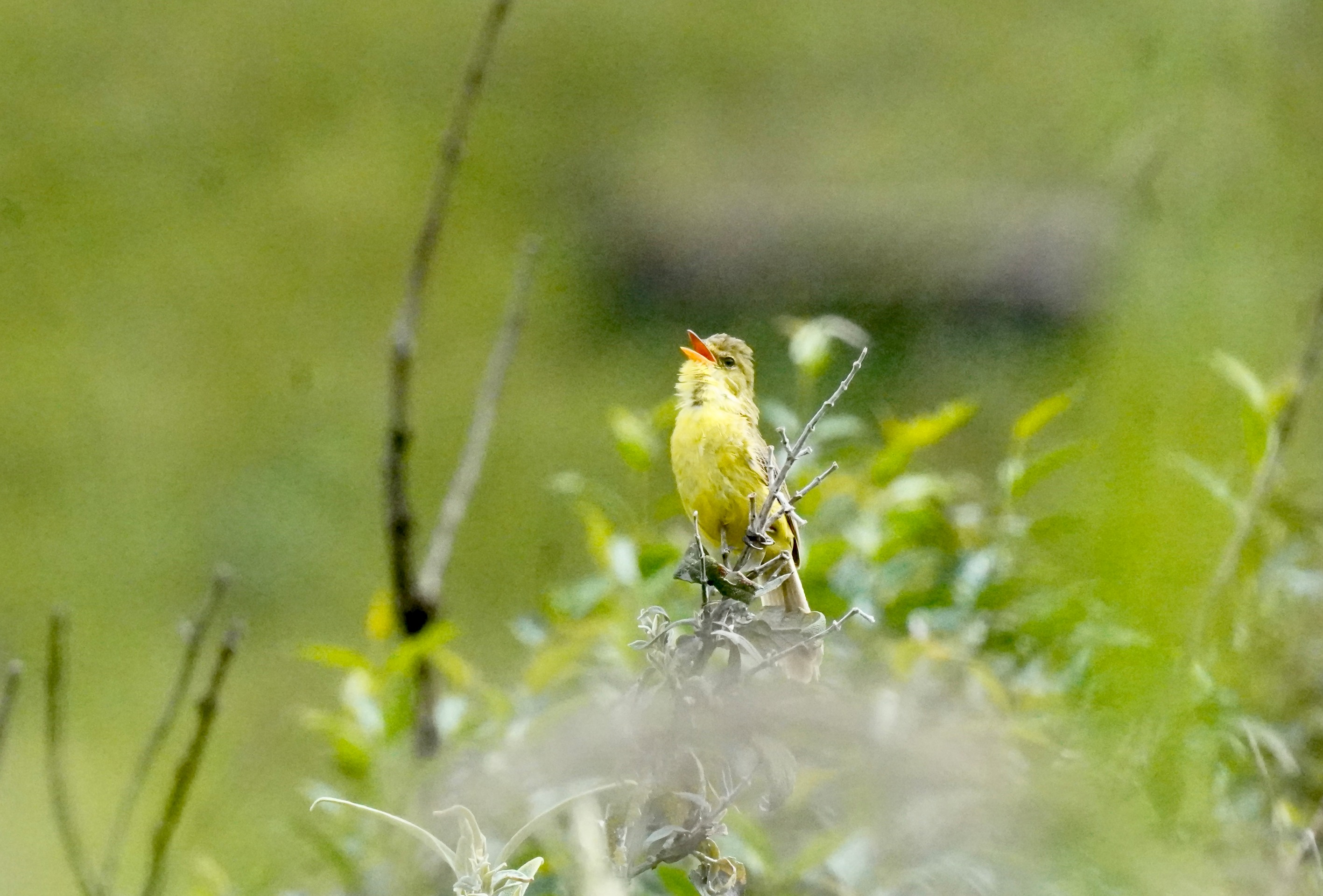
Along the road before the climb we also saw Cape Grassbird, Af. Yellow Warbler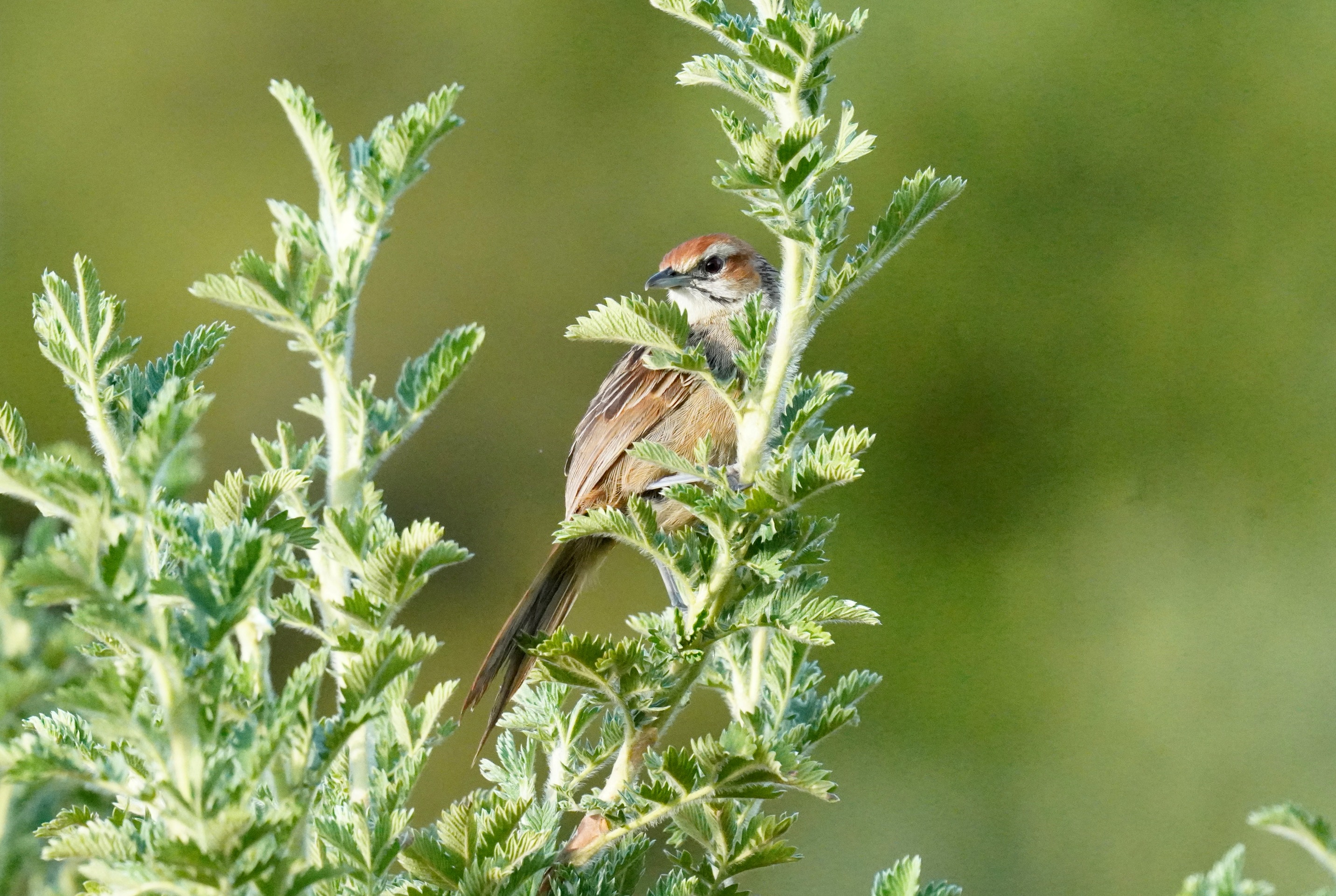
There are two border posts, one at the botton, where you "leave" S.A. and one at the top, where you enter Lesotho. First picture is from the S.A. zone and the second from halfway where all the goodies were seen and the last one from Lesotho. You see the big difference in habitat.


The rough road up the Sani pass is a very good spot to see some and emics and other local birds. The star bird being the Drakensberg Rockjumper. The other following birds are Ground Woodpecker, Drakensberg Siskin and Siskin.
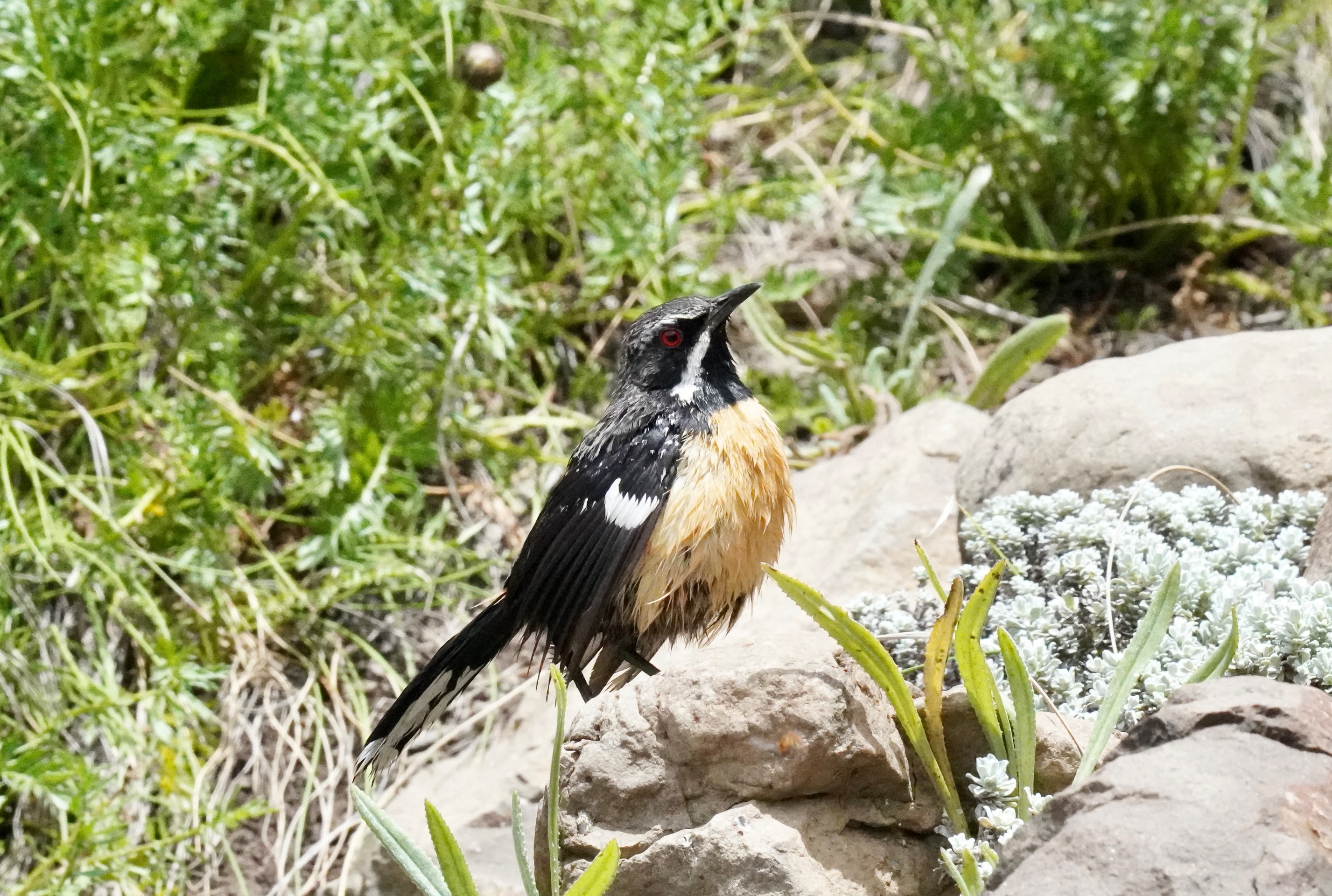
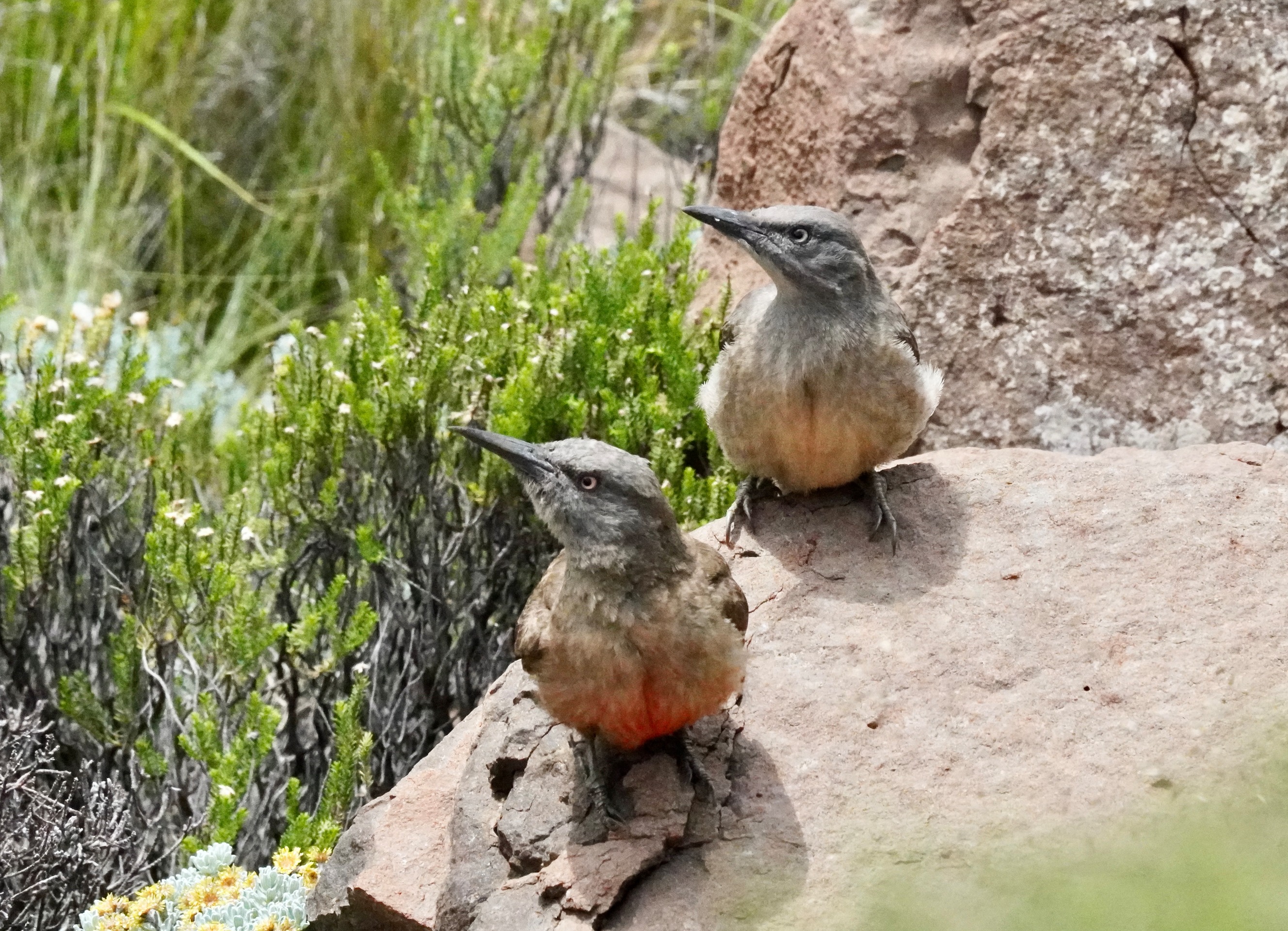
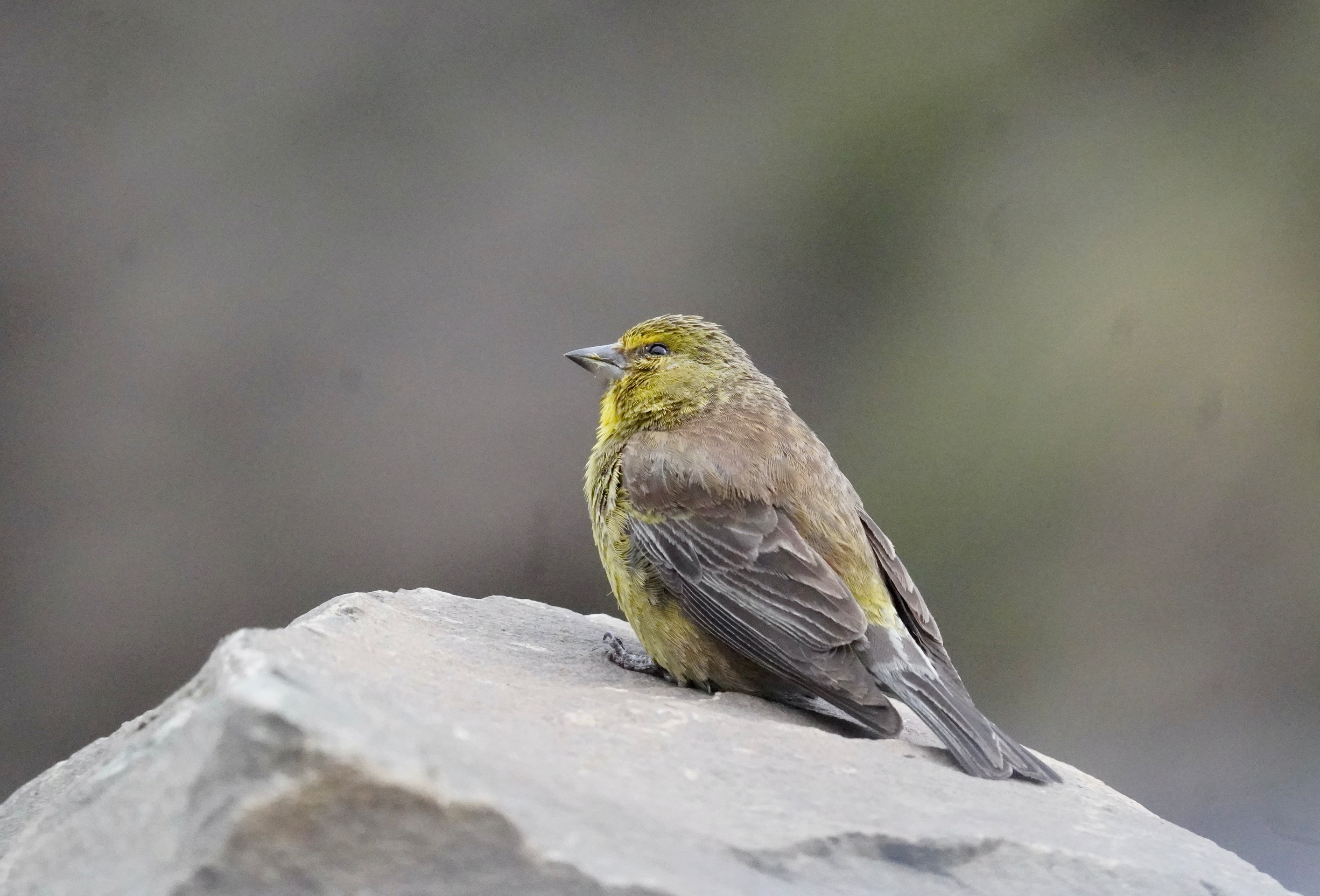
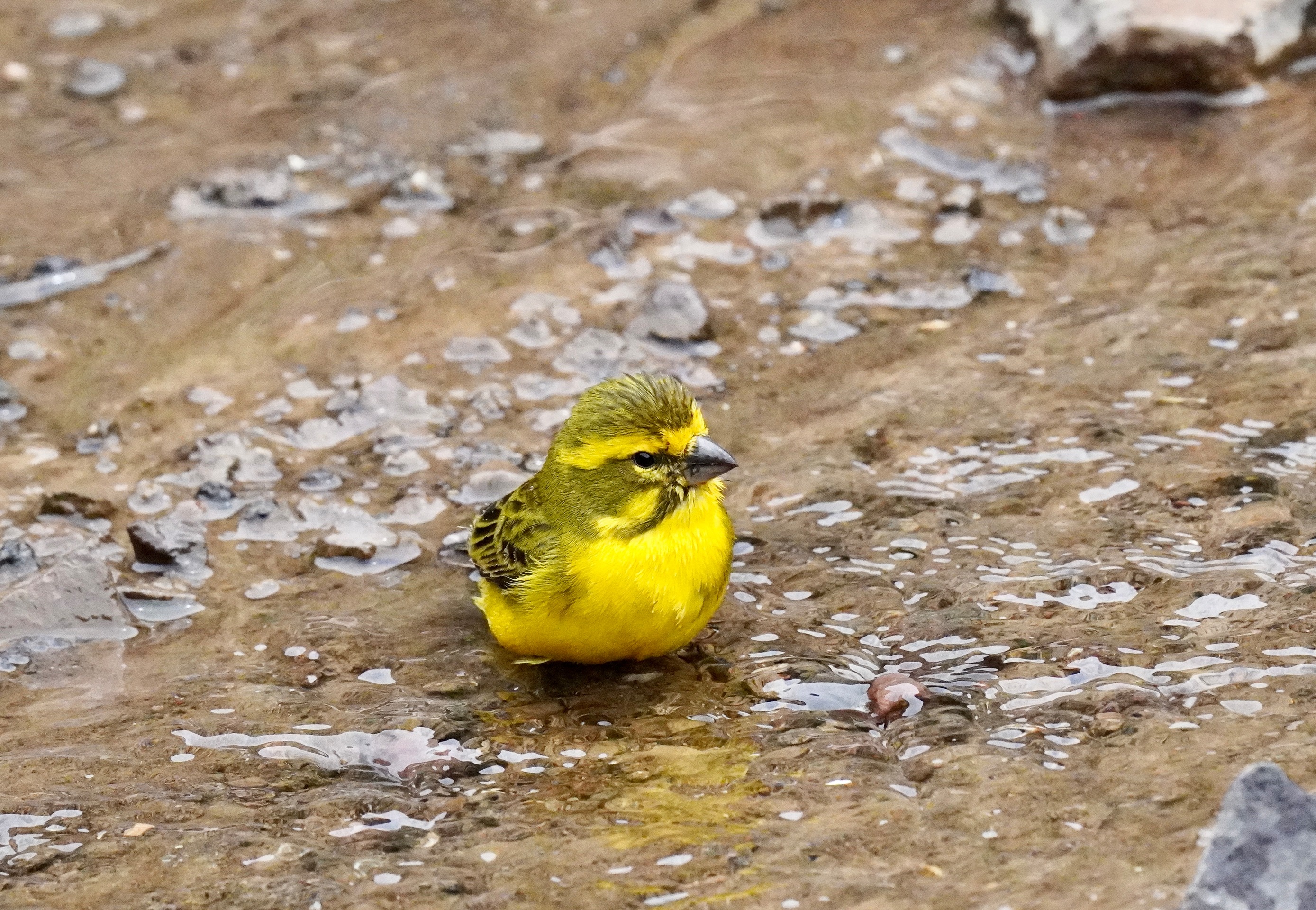
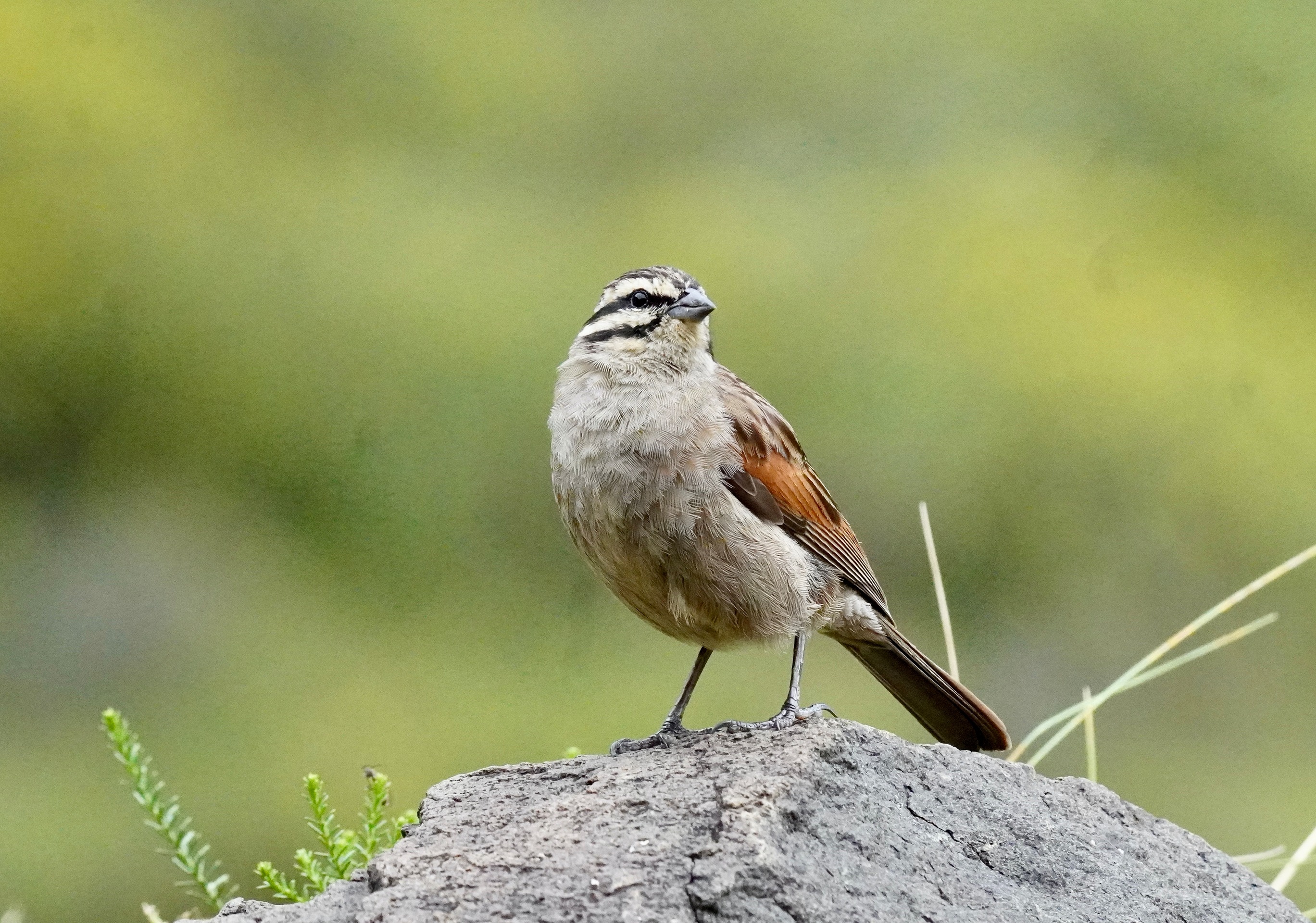
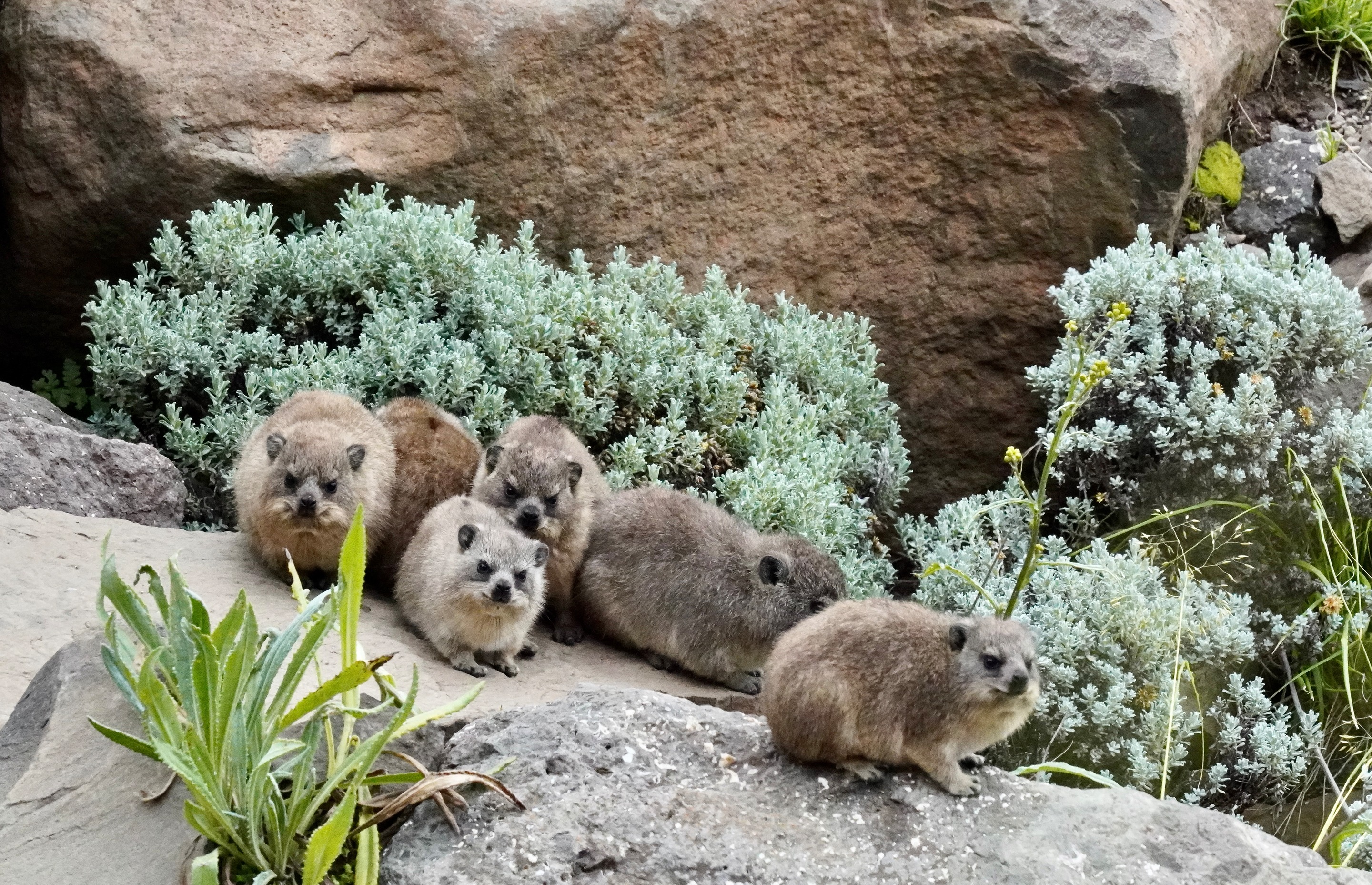
We also had a few Cape Buntings and a family of the awesome Dassies.
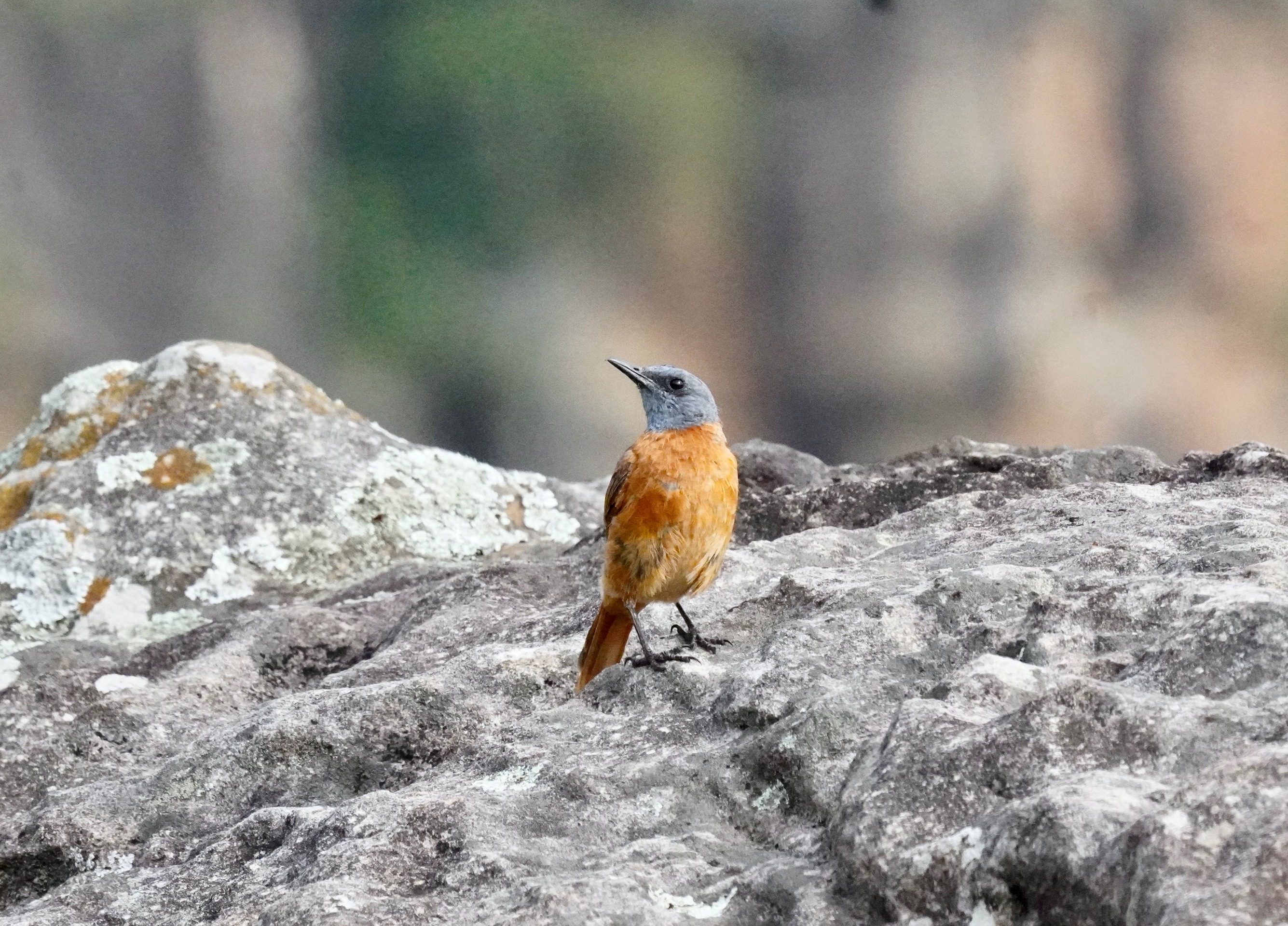
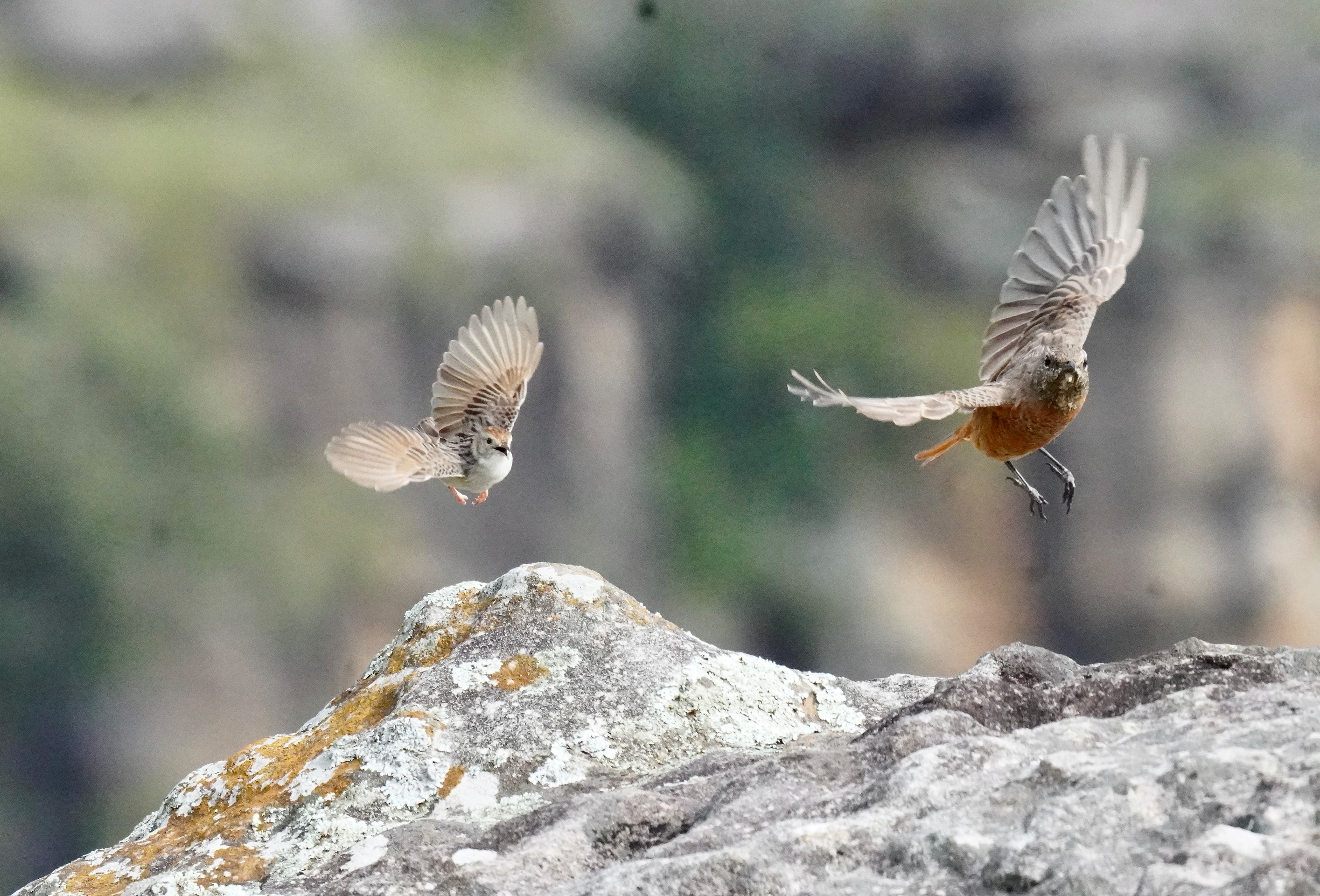
Lesotho is a poor country and the landscape is very arid. Most people live on basic farming. Some high altitude and rocky species are quite easy to find as the Mountain Wheatear, Cape Rock Thrush and the combo picture of Levaillant's Cisticola and Sentinel Rock Thrush.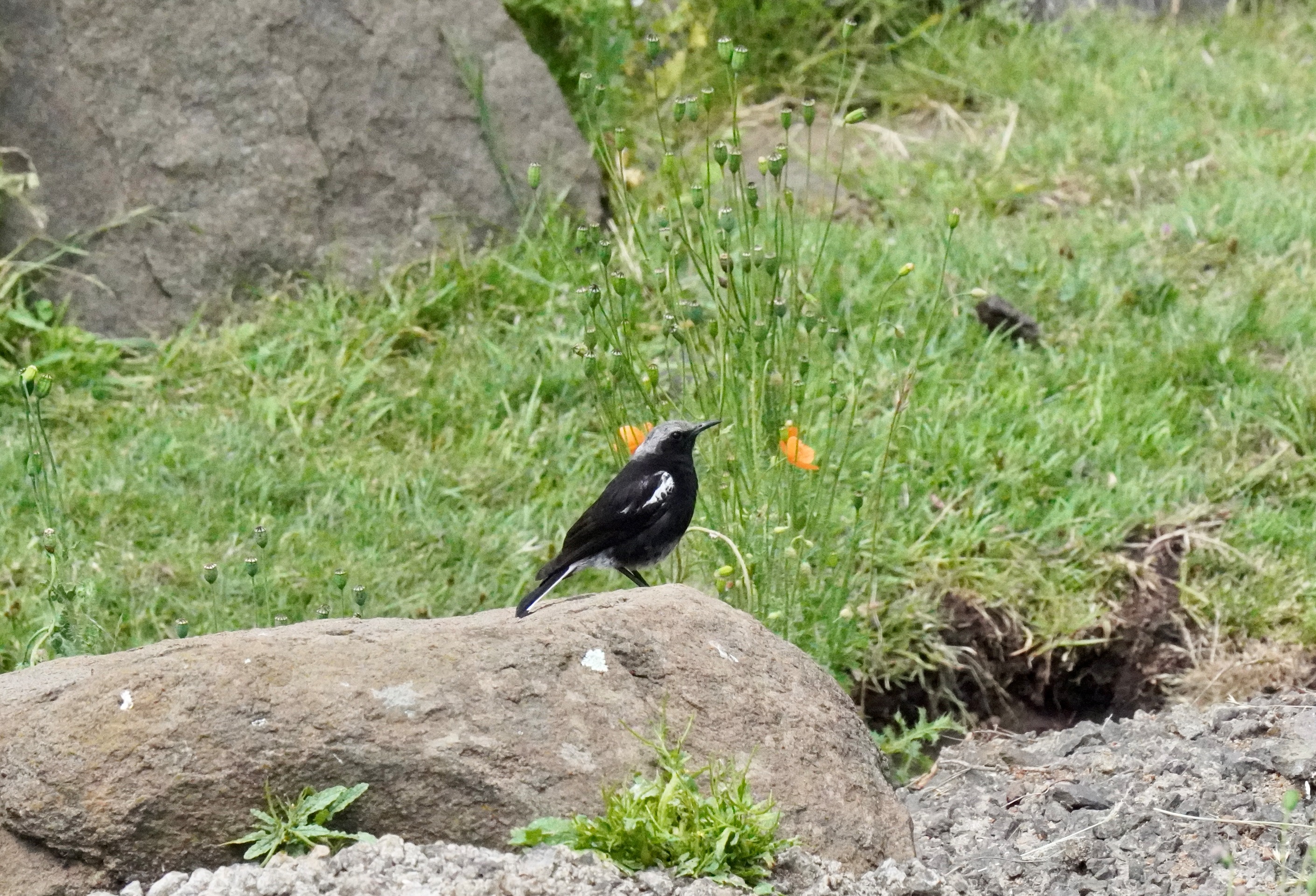
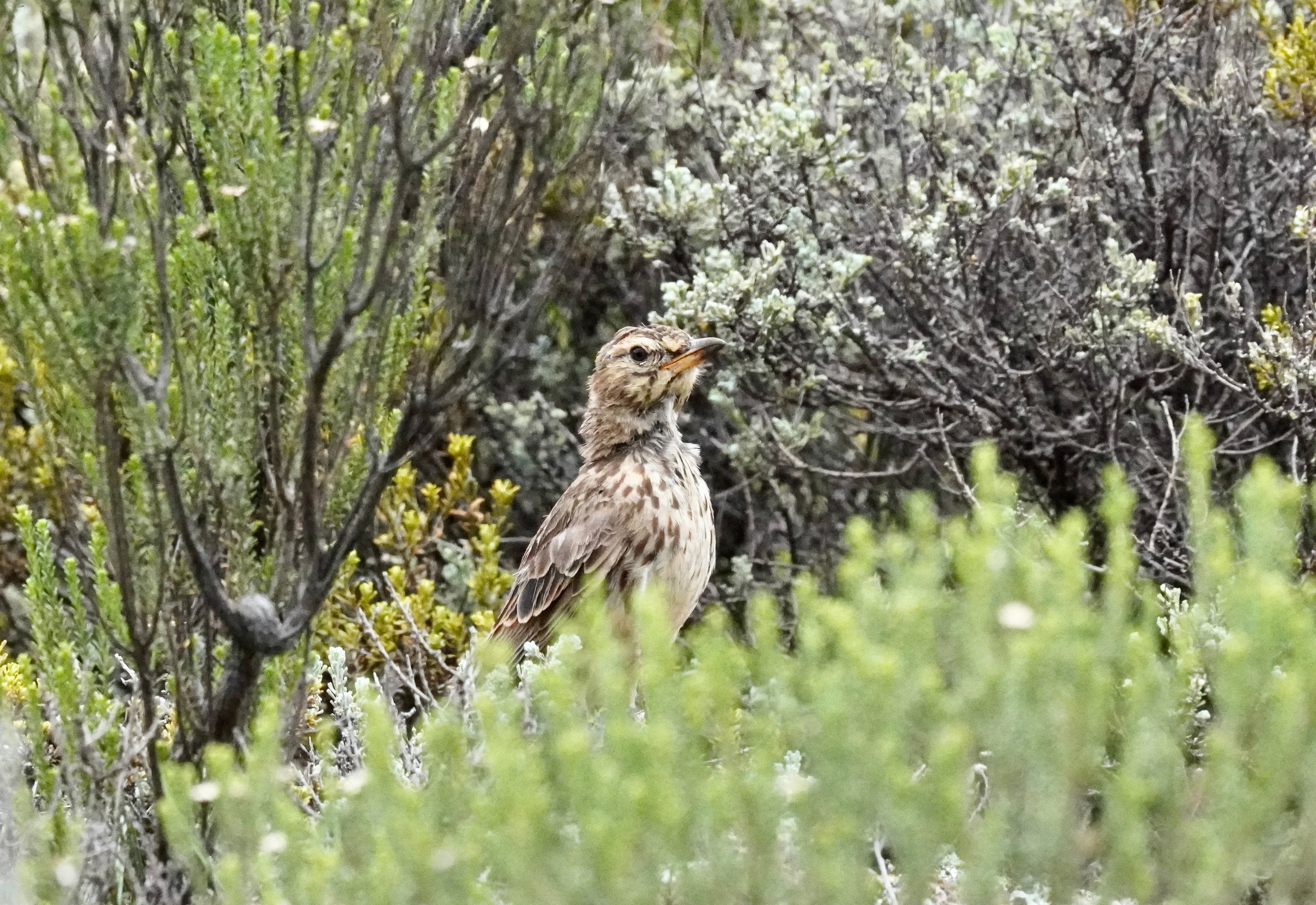
There are a few pipits and we had decent looks at the hard one, teh Mountain Pipit and also the quite common Large-billed Lark.

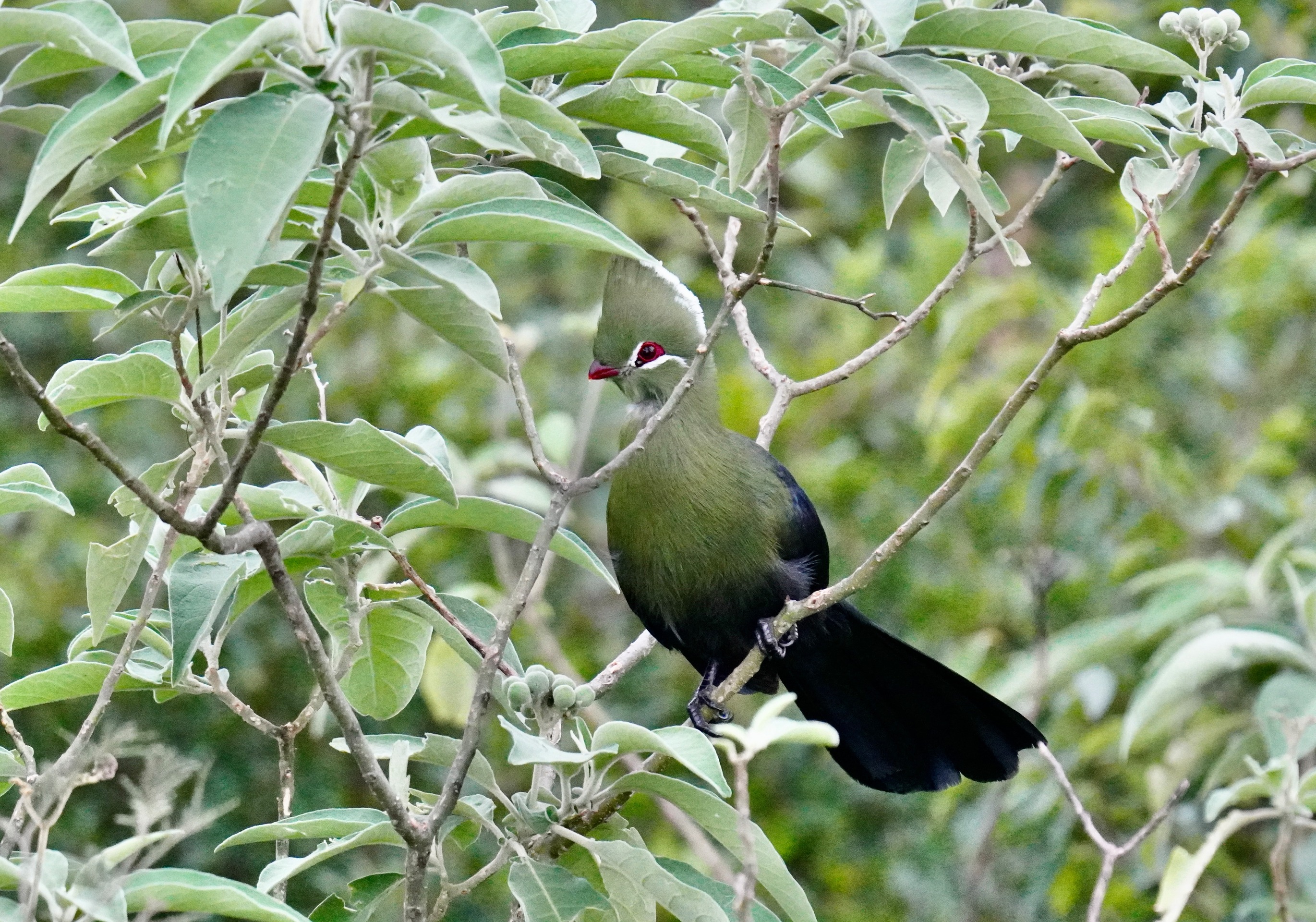
We also had good views of Cape Griffons, Lammergeir, Alpine Swifts, Fairy Flycatcher and Layard's warbler but not close enough for photos. We the drove back to the same lodge as yesterday. We also visited Polo Way Underberg where we had the local cape Parrot flying over us and this excellent Knyna Turaco which showed well.
Next day was a long drive again to the hilly grasslands around Utrecht. But first we stoped at a lovely Buddhist retreat where the rare and beutiful Blue (Mountain) Swallow breeds. We were lucky to see a male fly by a couple of times, what a bird! This Drakensberg Prinia is from this area as well. 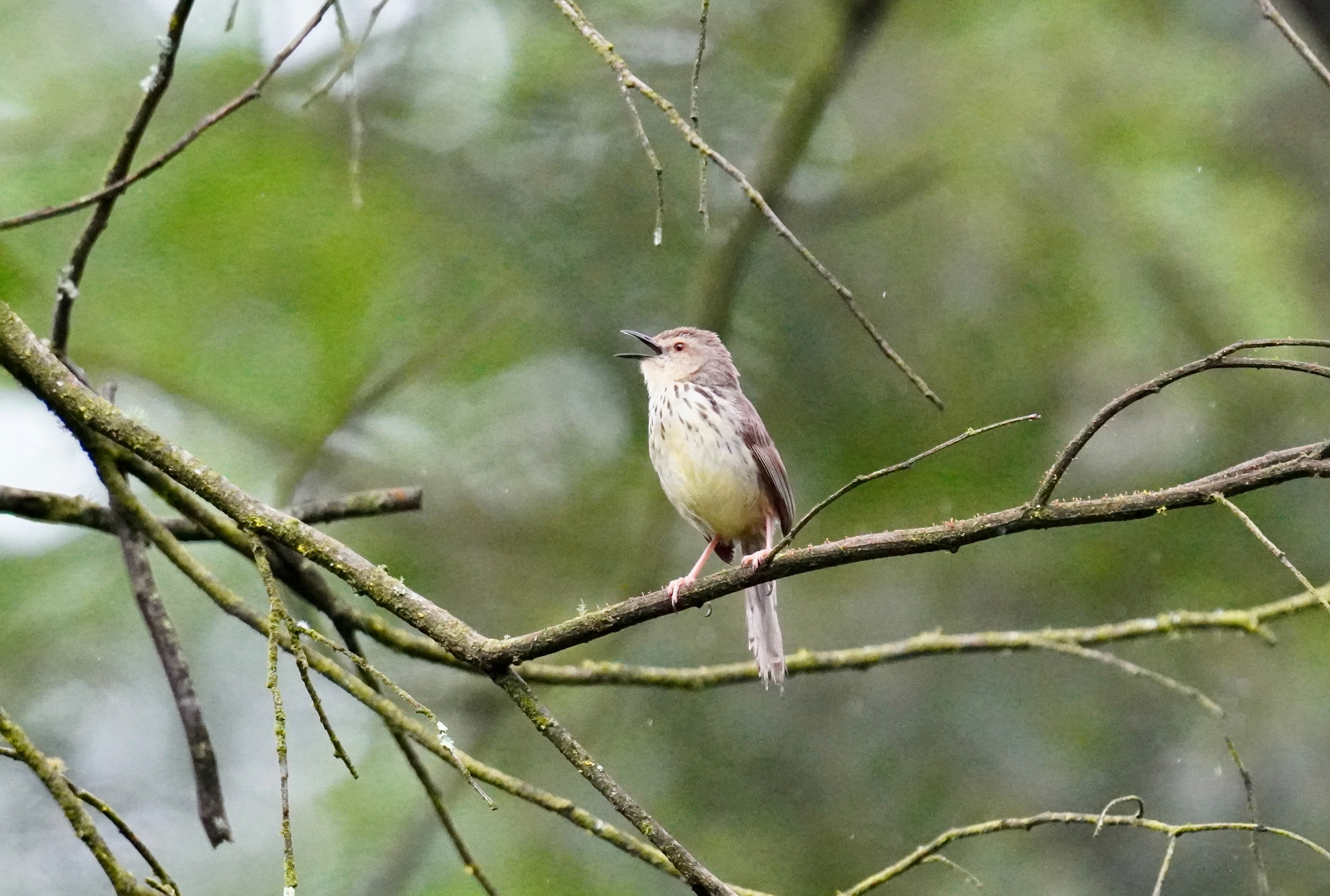
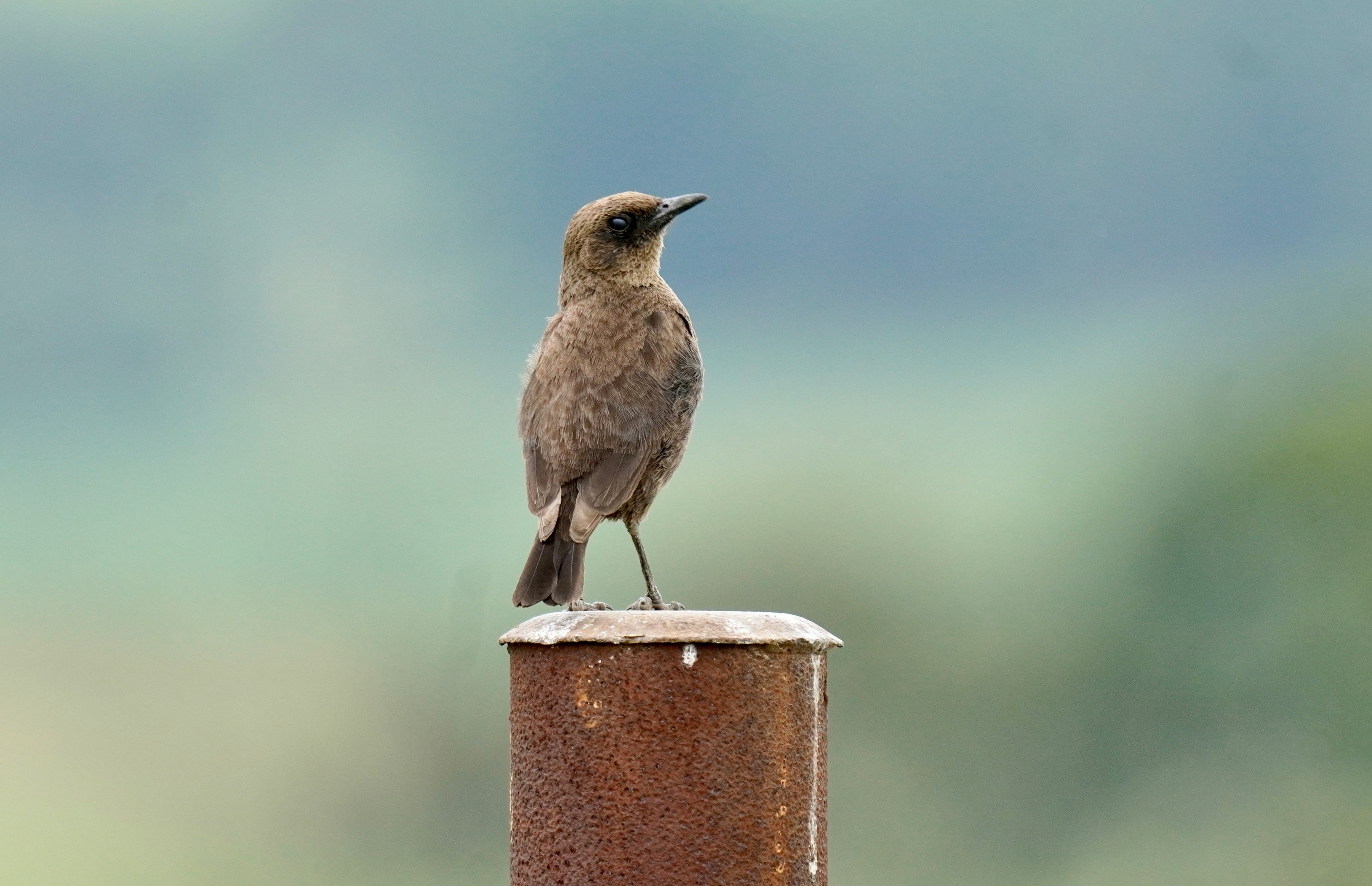
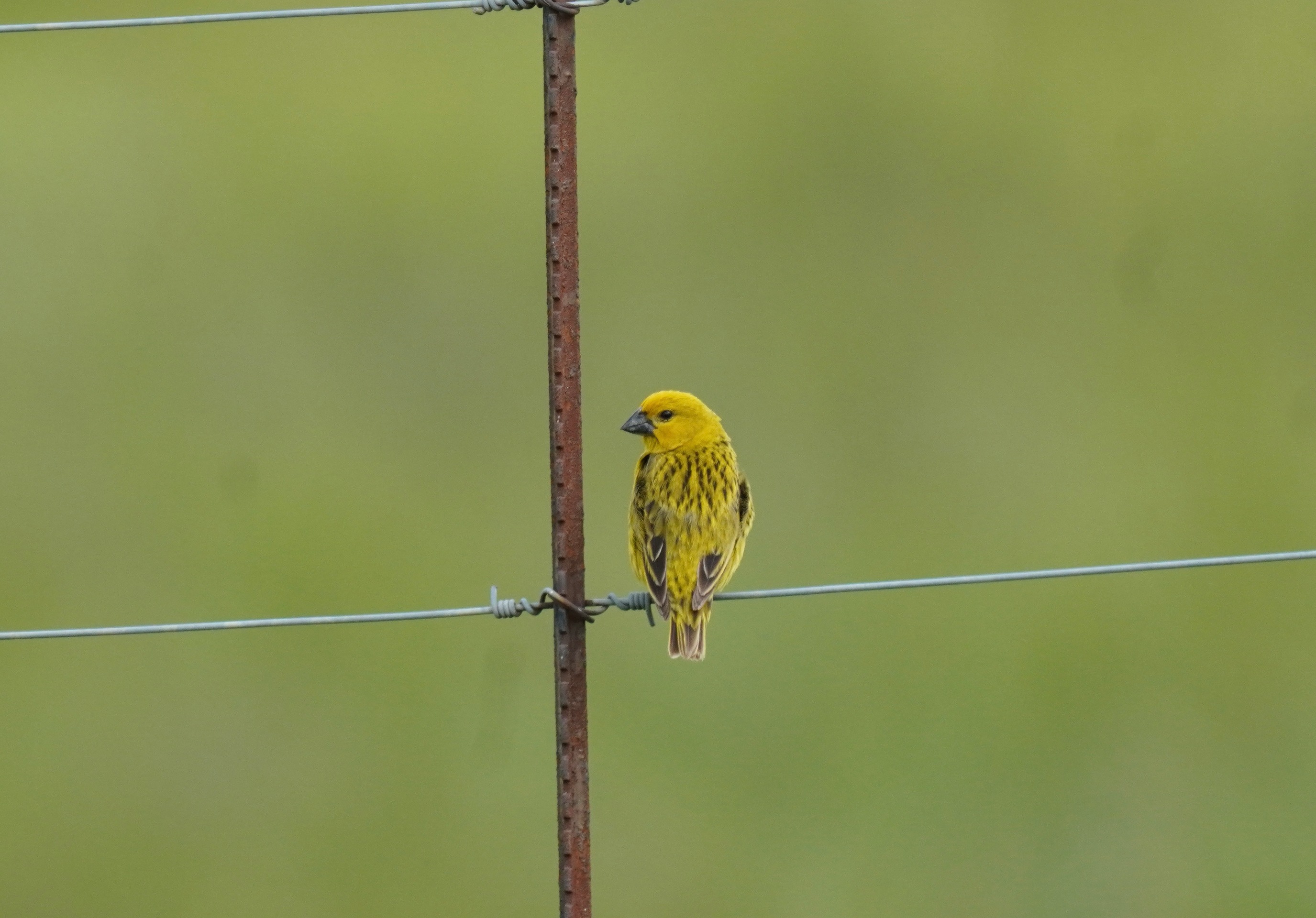
Next day we picked up the local guide Lucky, who knows is local birds well. This area is truly full of birds and we saw many species during this day. Among them (plenty of) Southern Red Bishops, Spike-healed Larks, Mountain Wheatears (here a female) and one uncommon Parasitic Weaver.

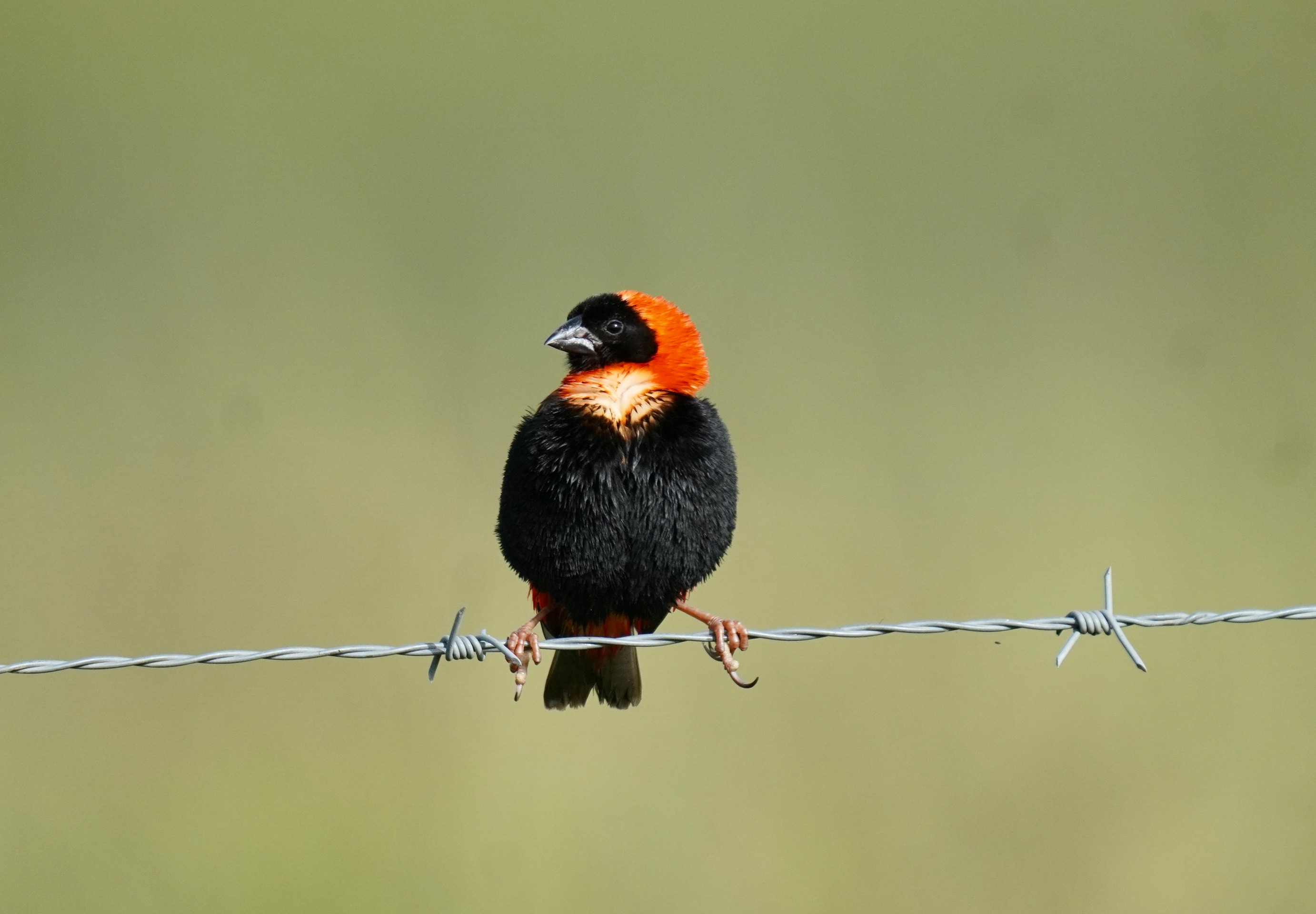
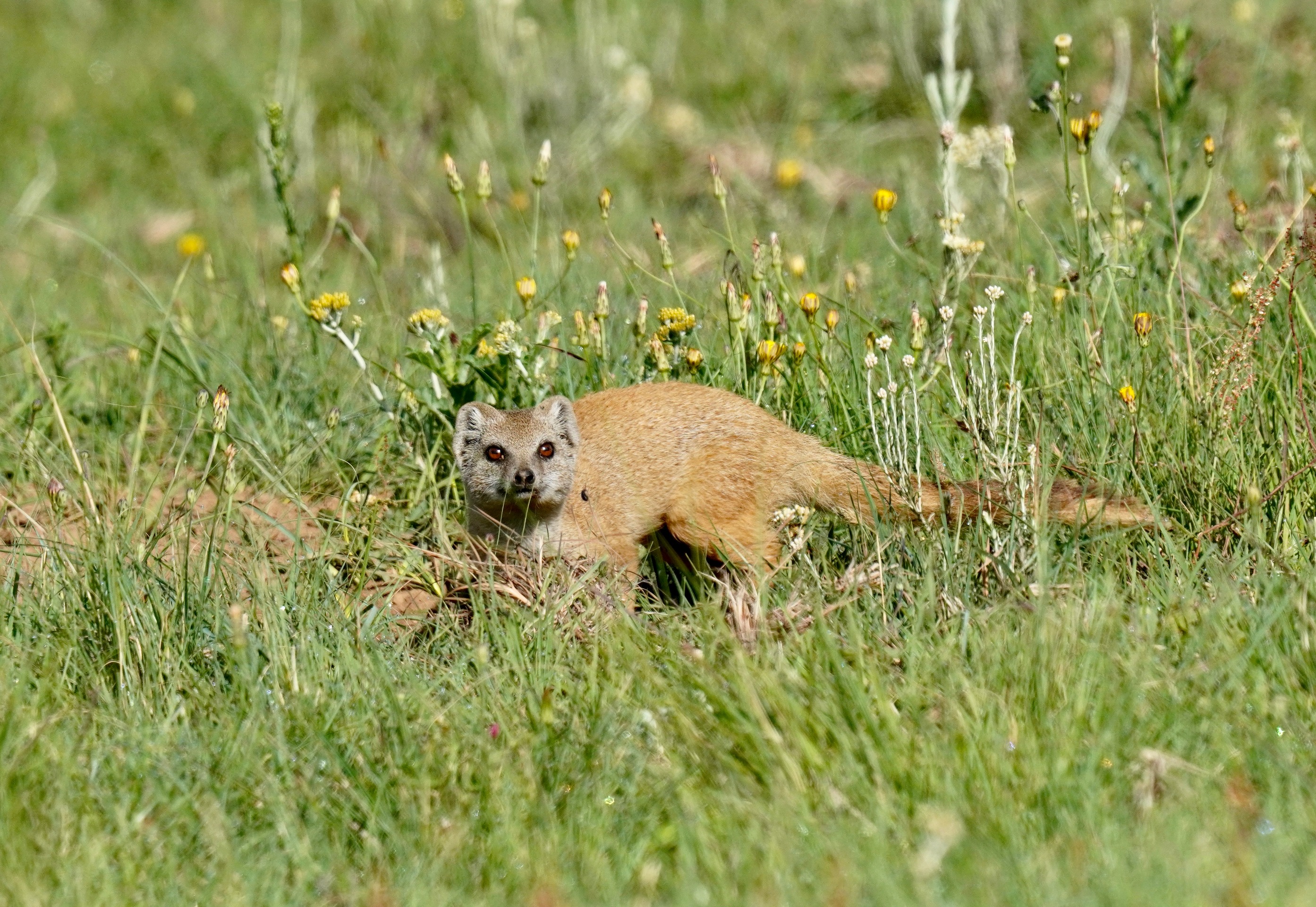
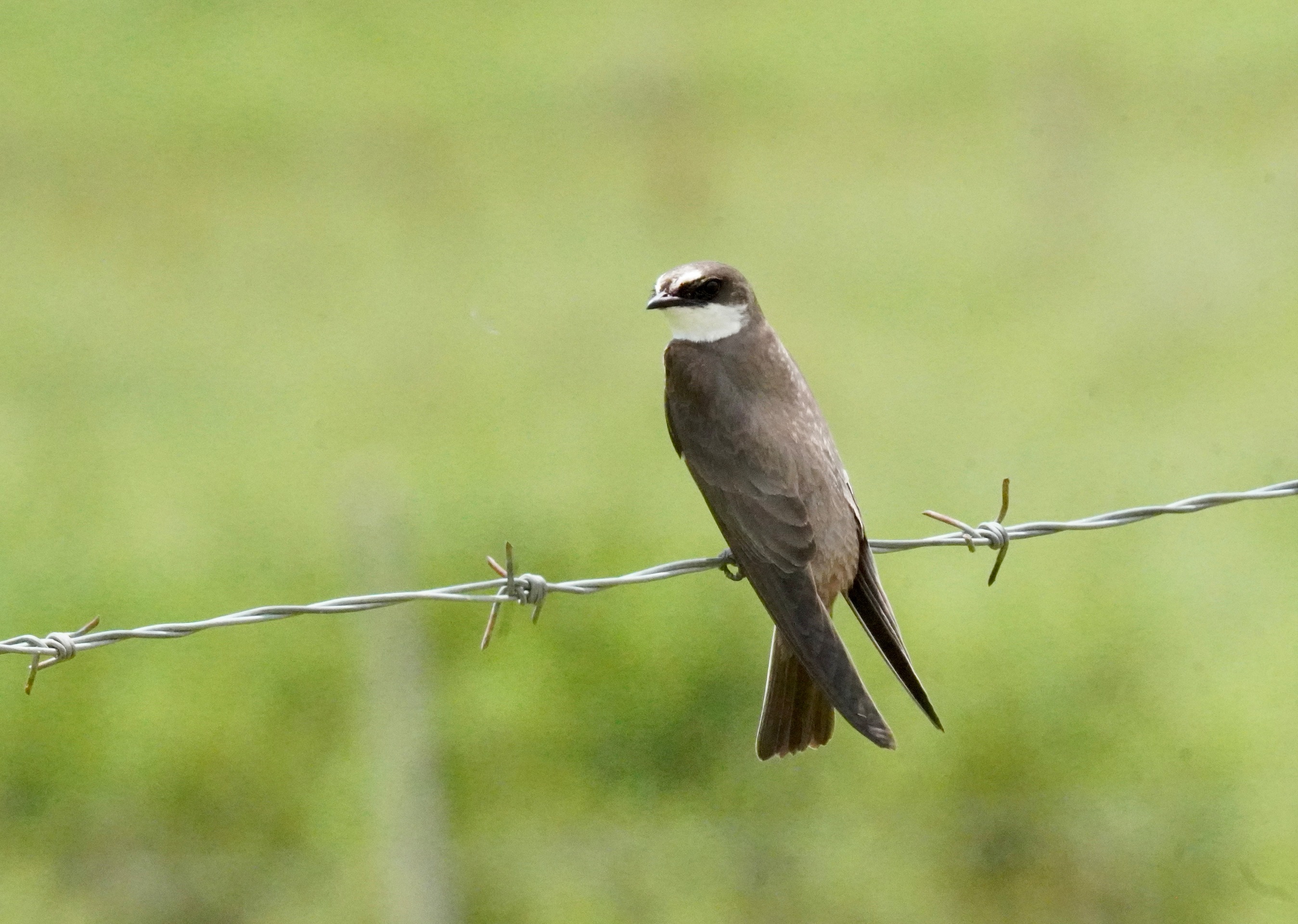
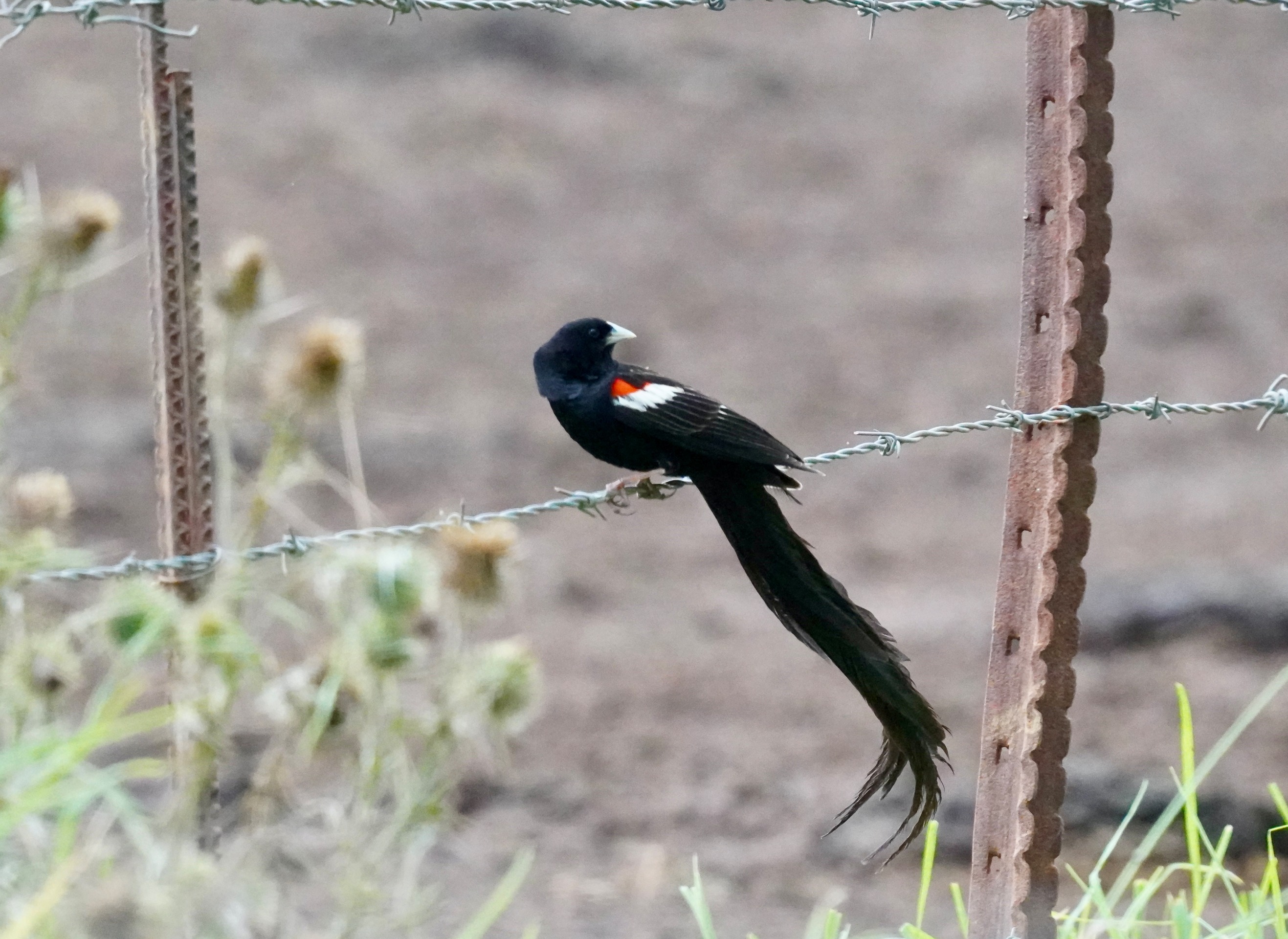
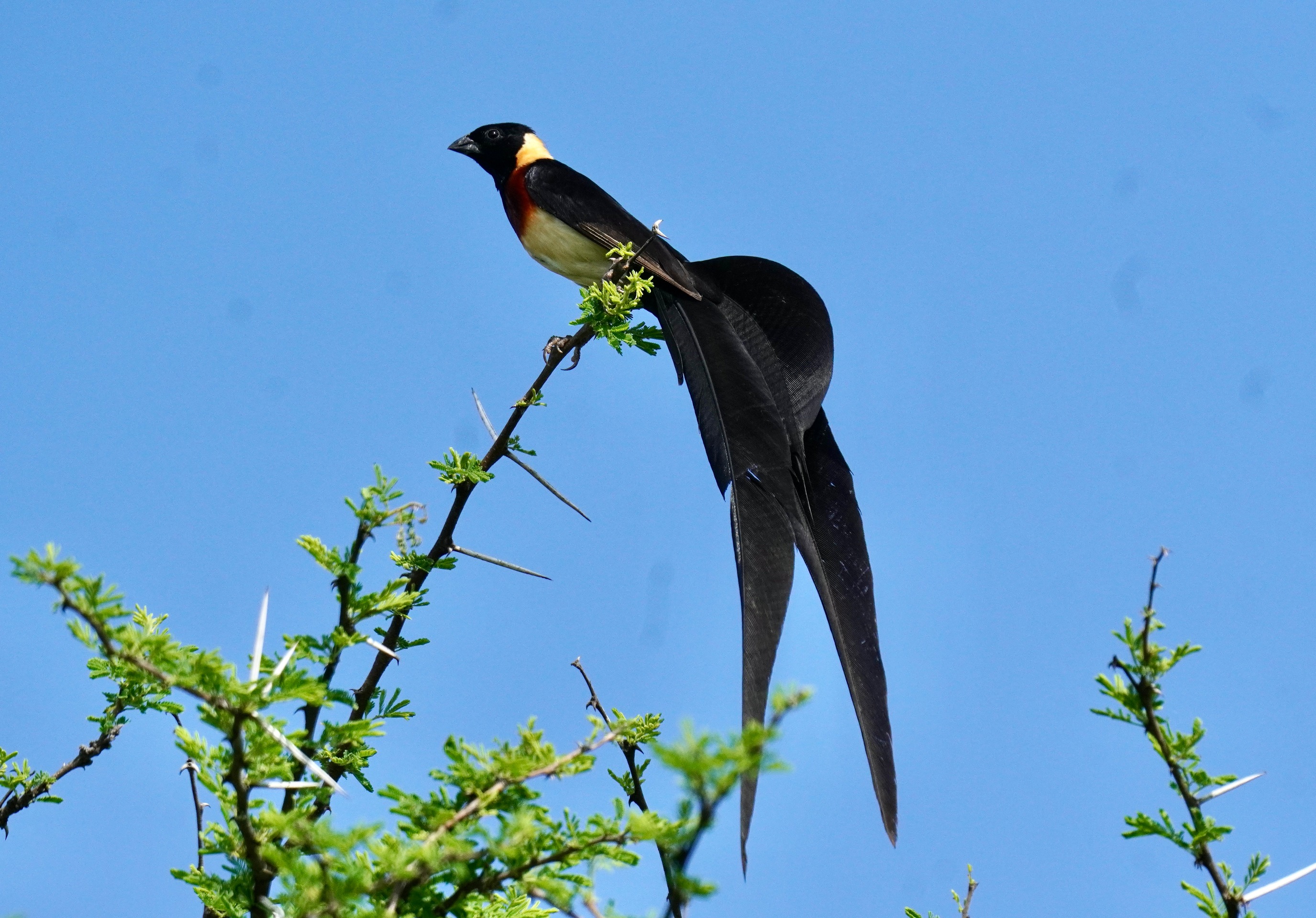
Also a nice and curious Yellow Mongoose as a flock of Banded Martins, the almost unreal Long-tailed Widowbird.
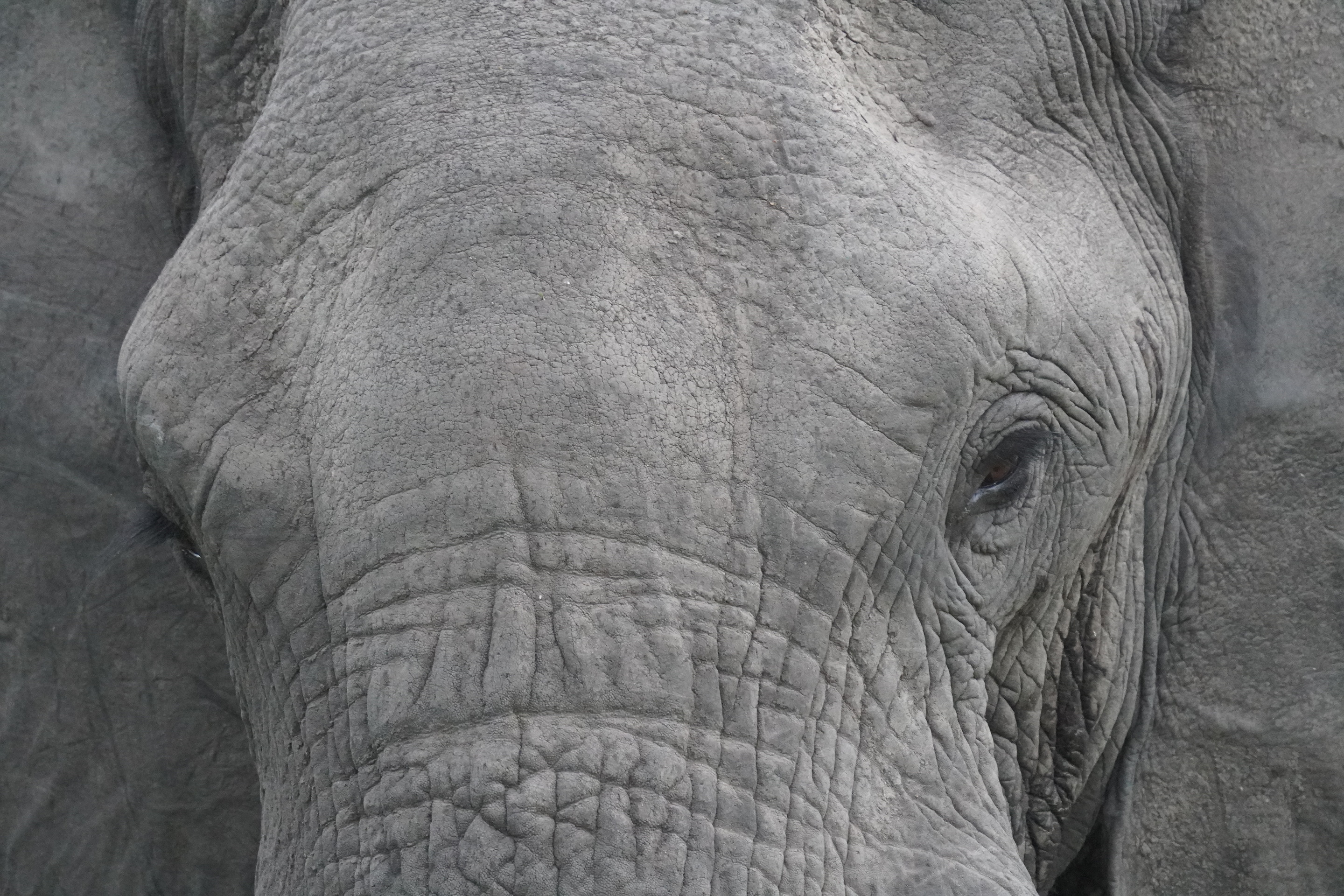
After this part we headed towards the famous Kruger Park. We had 4 nights here in the southern part of the park. 2 nights at Berg en Dal and 2 nights at Lower Sabie. Kruger has all the big 5. We did't see any Lions, which surprised me and not any Wild Dogs which was my target species among the animals. There were sighting each day we were there but, you know, you have to "lucky" to at a specific spot when they show up. The southern section is quite dense which makes sightings harder. Elephants are plenty though. They said that they even are too many and there is a problem how to handle the growing population. The reason seems to be that they have forgotten their moving paths since the park was fenced.

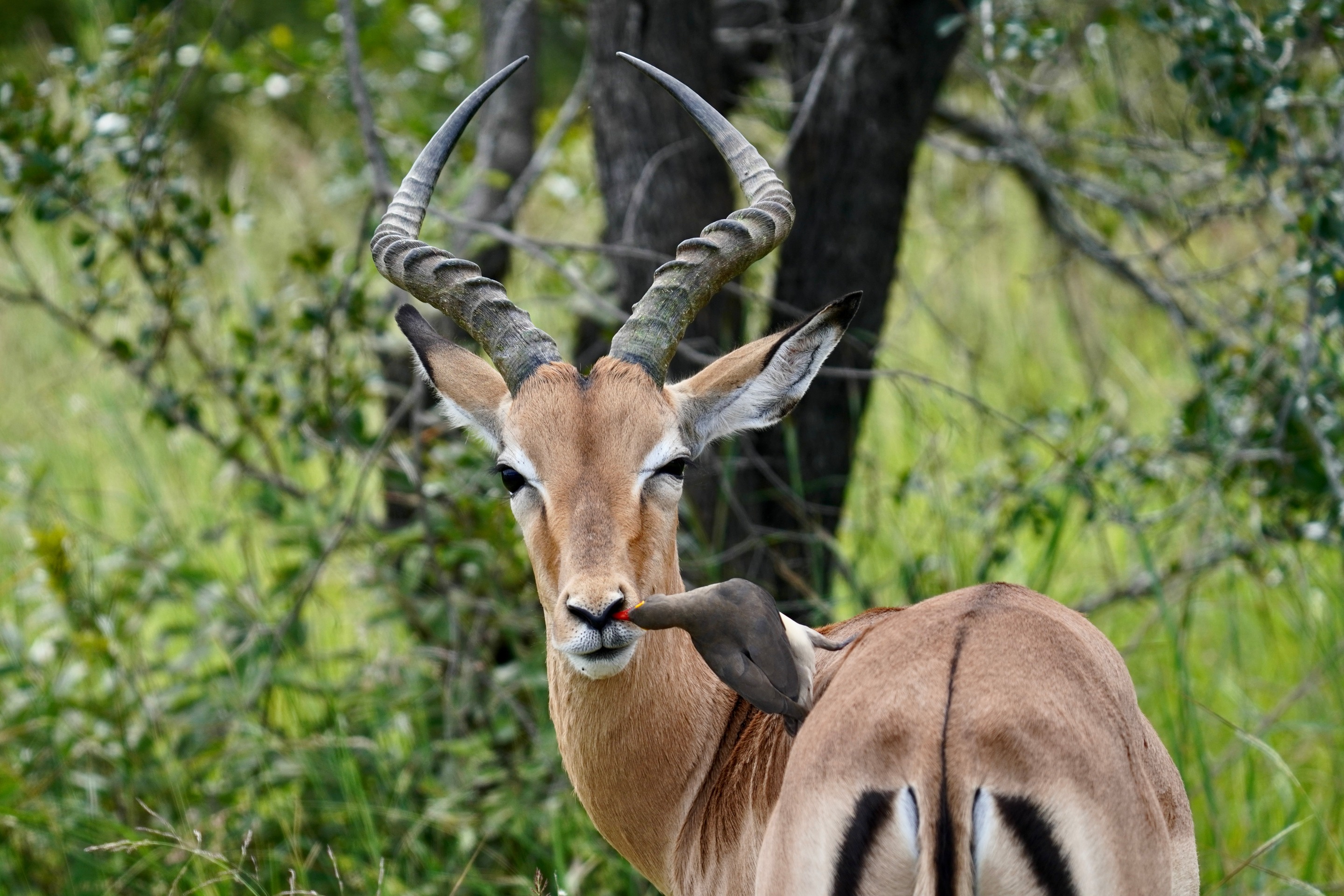
Other mammals easily seen in the park are Giraffes and the very common Impala. Here 2 "funny" pictures whit the symbios of birds, Pied Starlings and a Red-billed Oxpecker intrerested in the Impala's nose!


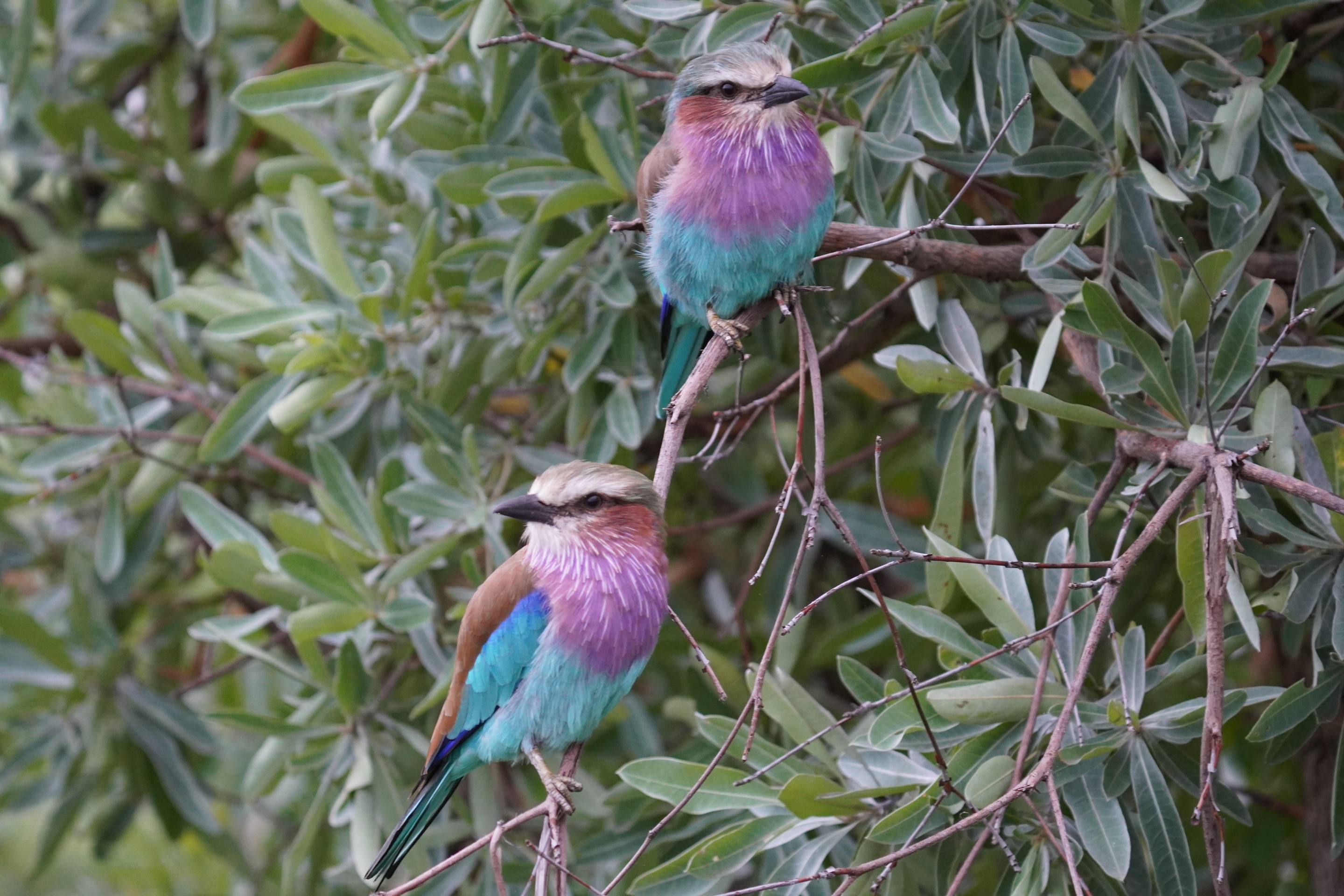
Though I didn't see as many mammals as expected, the park is a magic place for birds. Birds we saw (with decent photo) the first day were the very handsome Lilac-breasted Roller, Red-winged Starling, Emerald-spotted Wood Dove and Brown Snake Eagle.
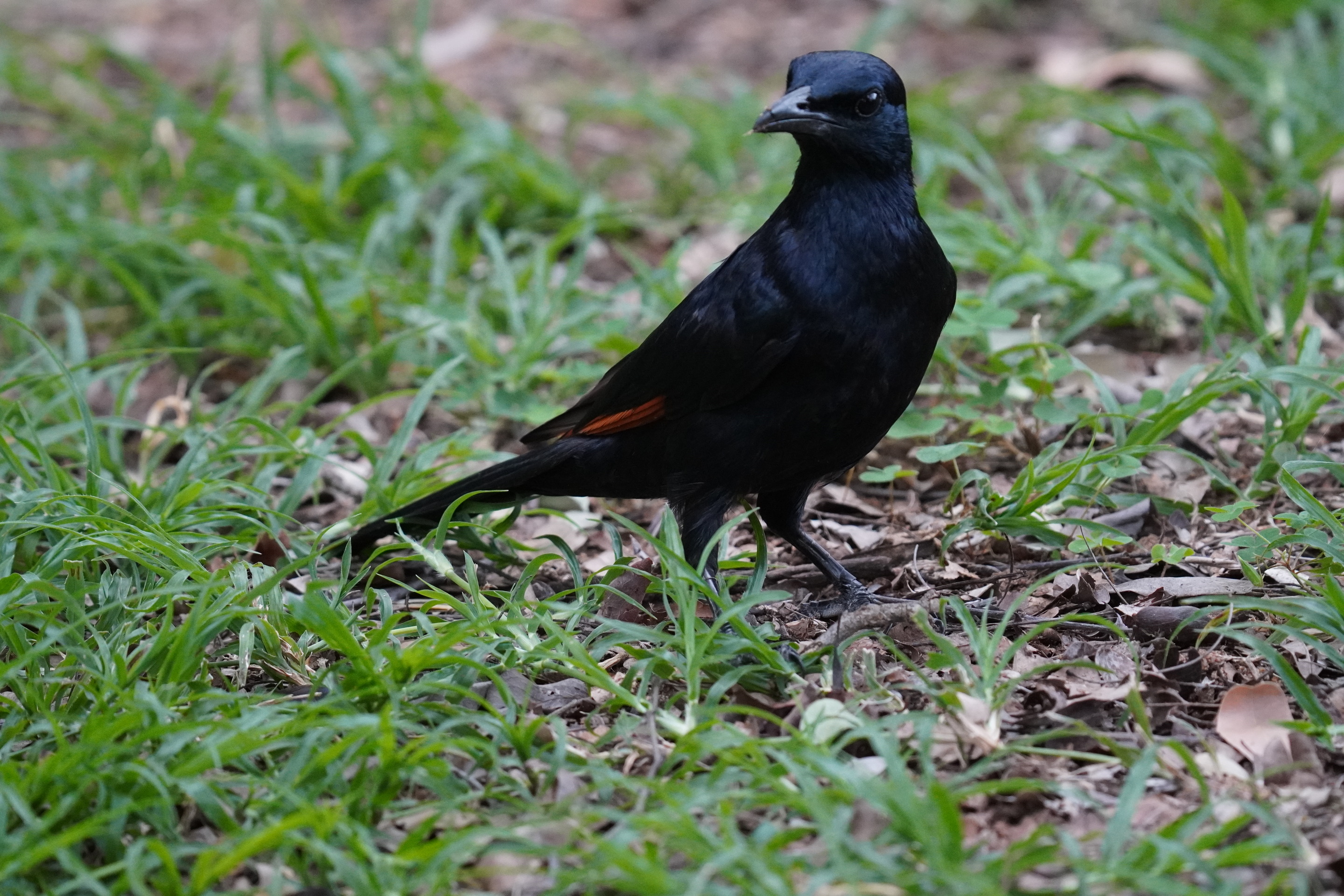
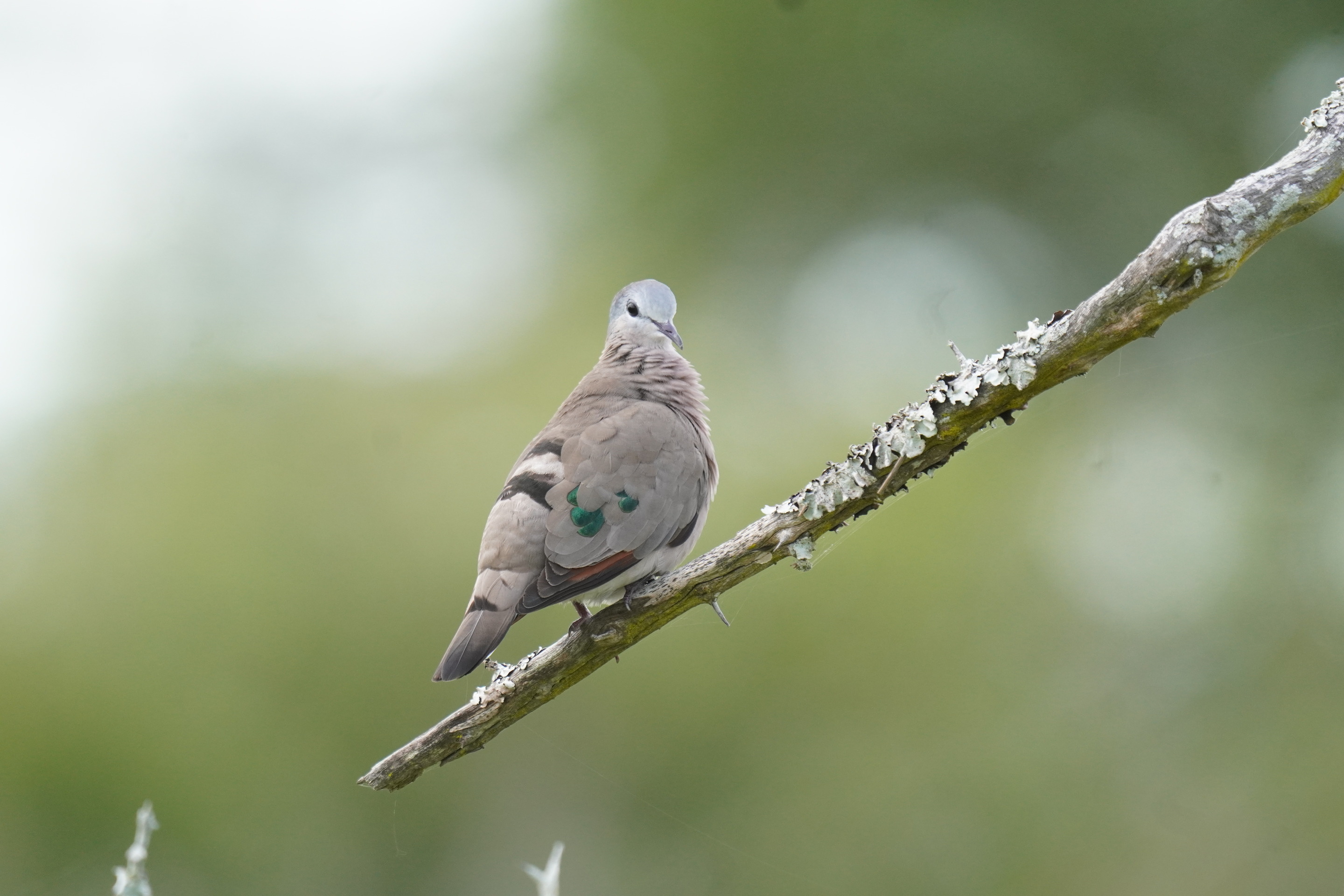
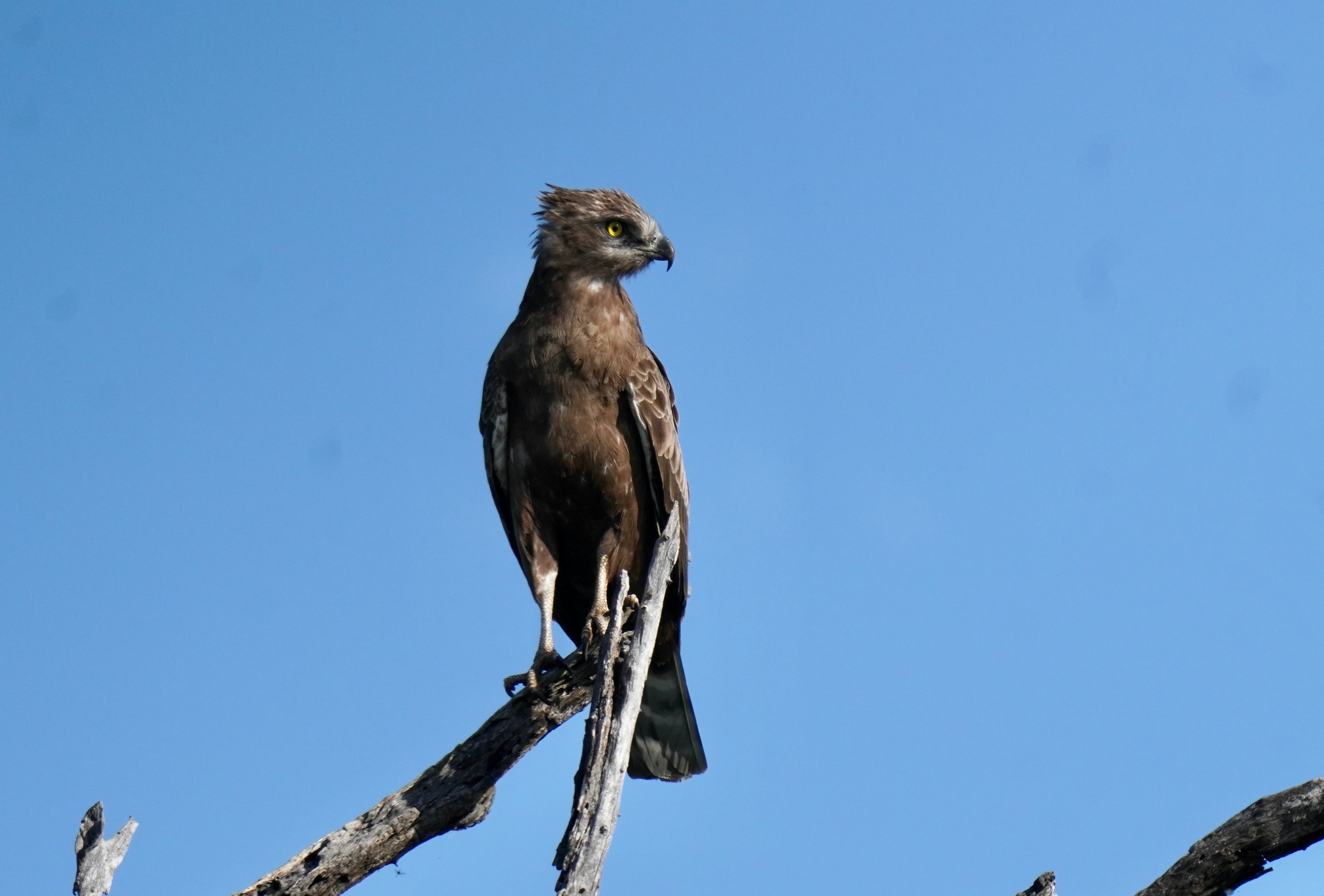
Everything isn't colourful birds and big mammals, we also had a funny Dung Bettle working hard in the middle of the road.
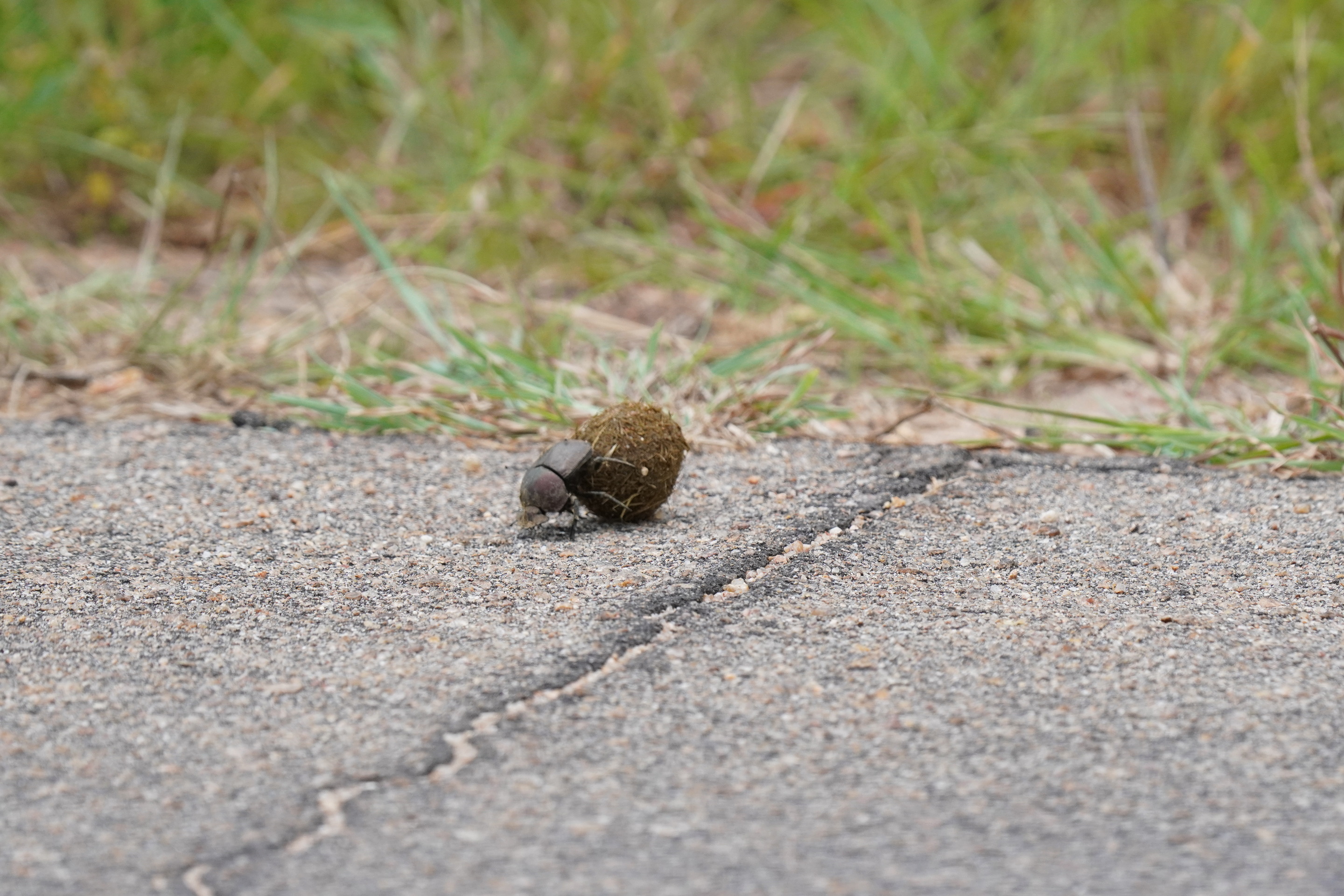
As the day paced and we drove through different habitats, we also passed many more birds as this Hoopoe,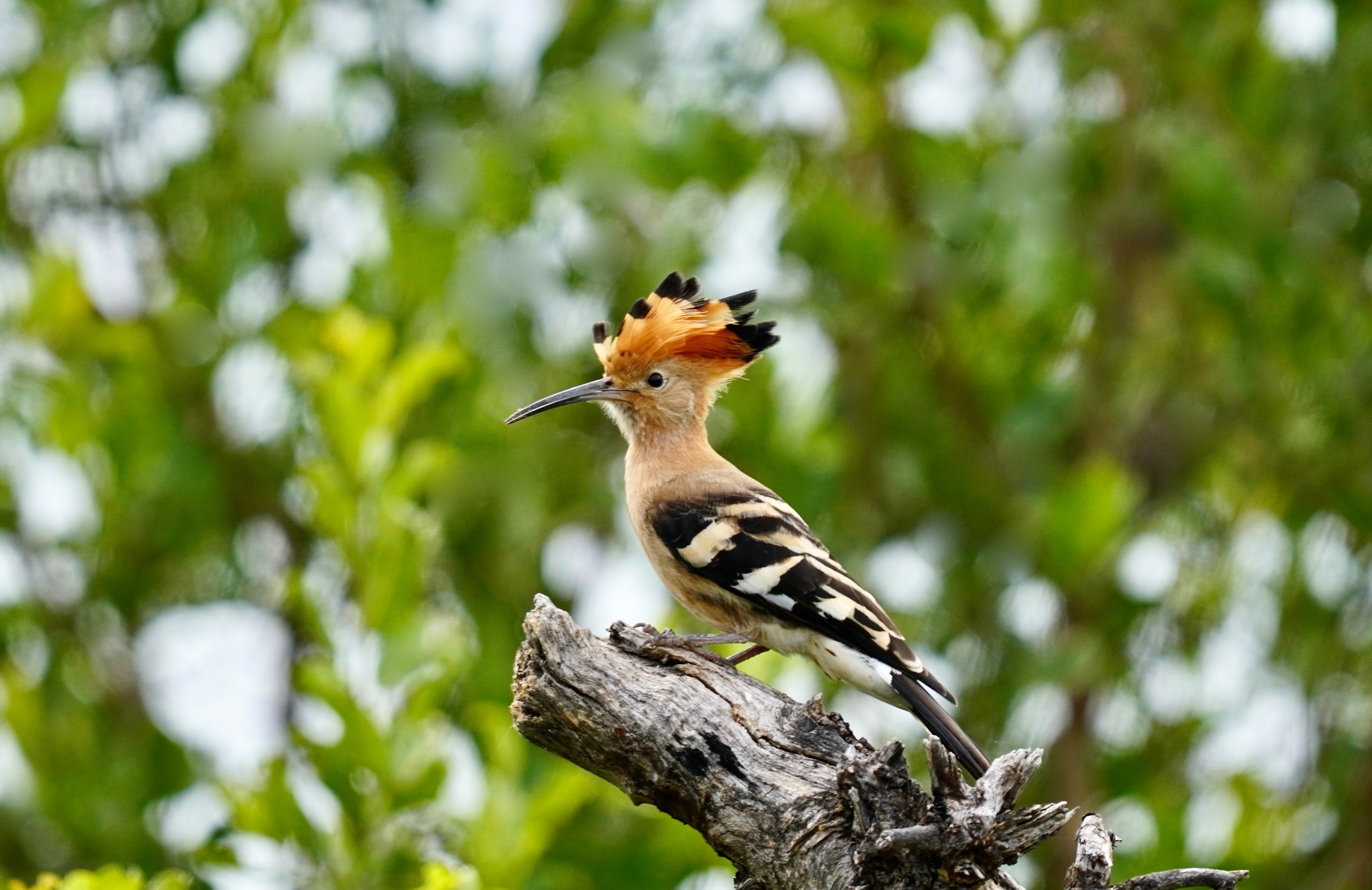
More birds were this couple of Laughing Doves, Red-faced Crombec and Magpie Shrike.
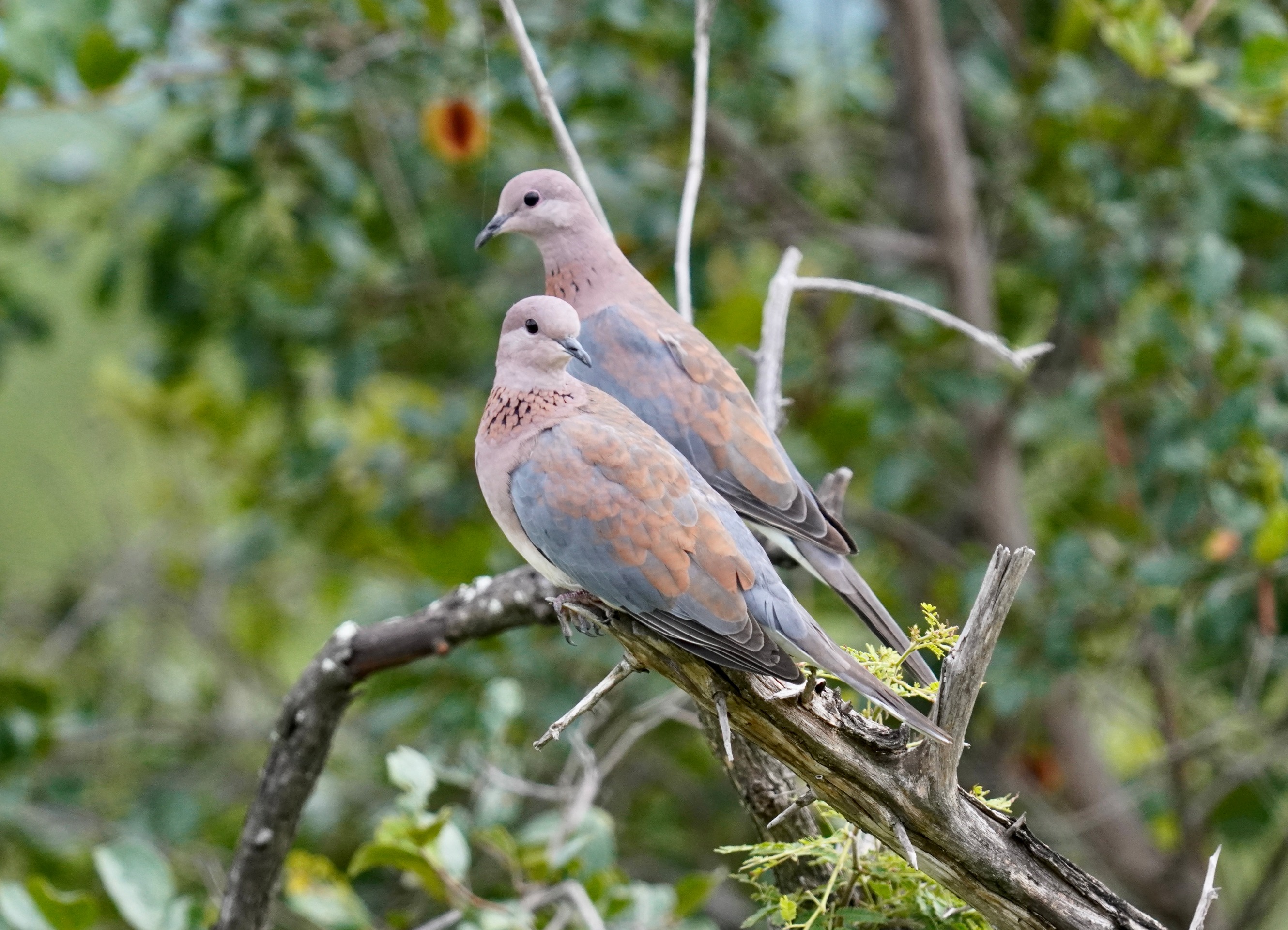
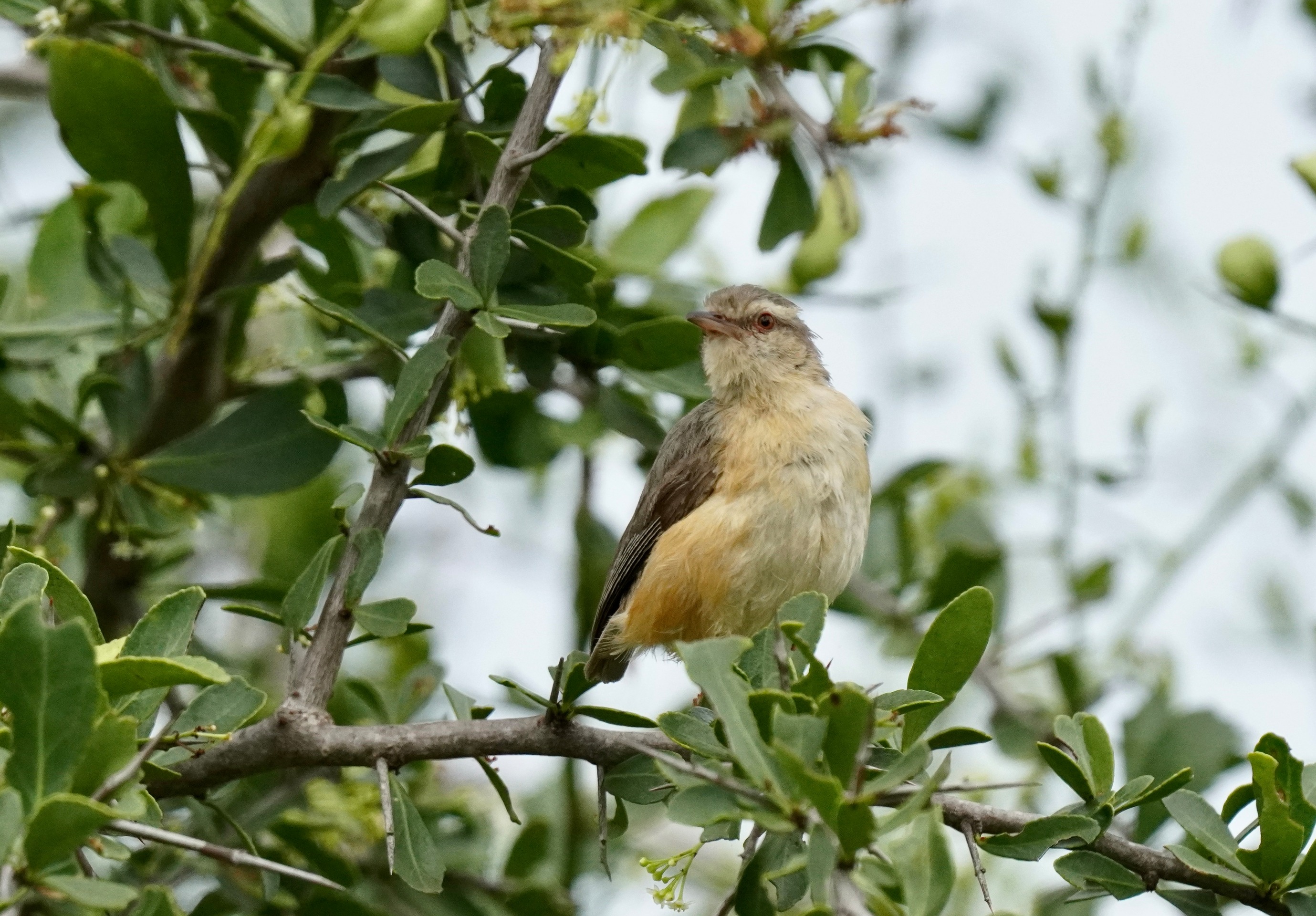
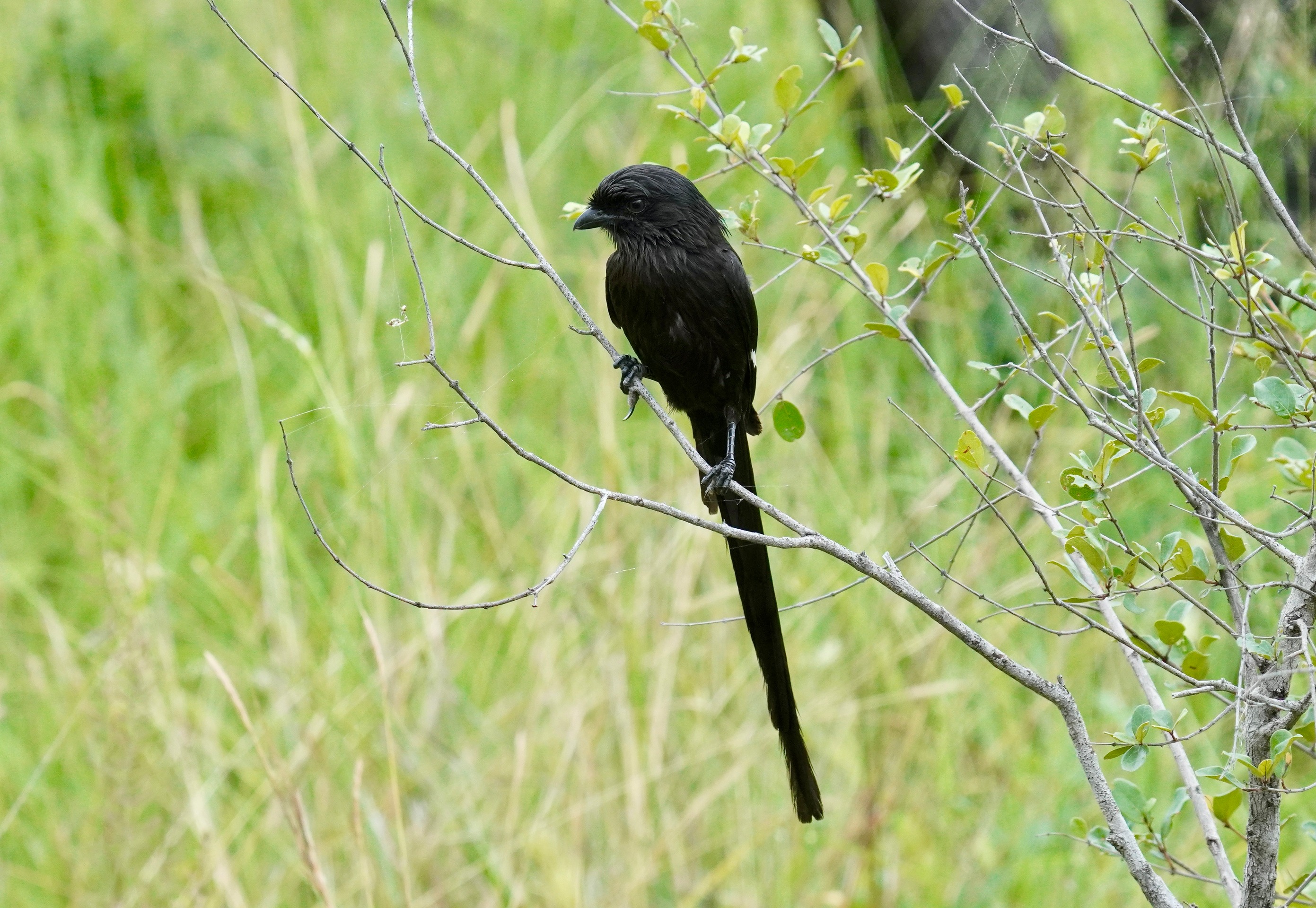
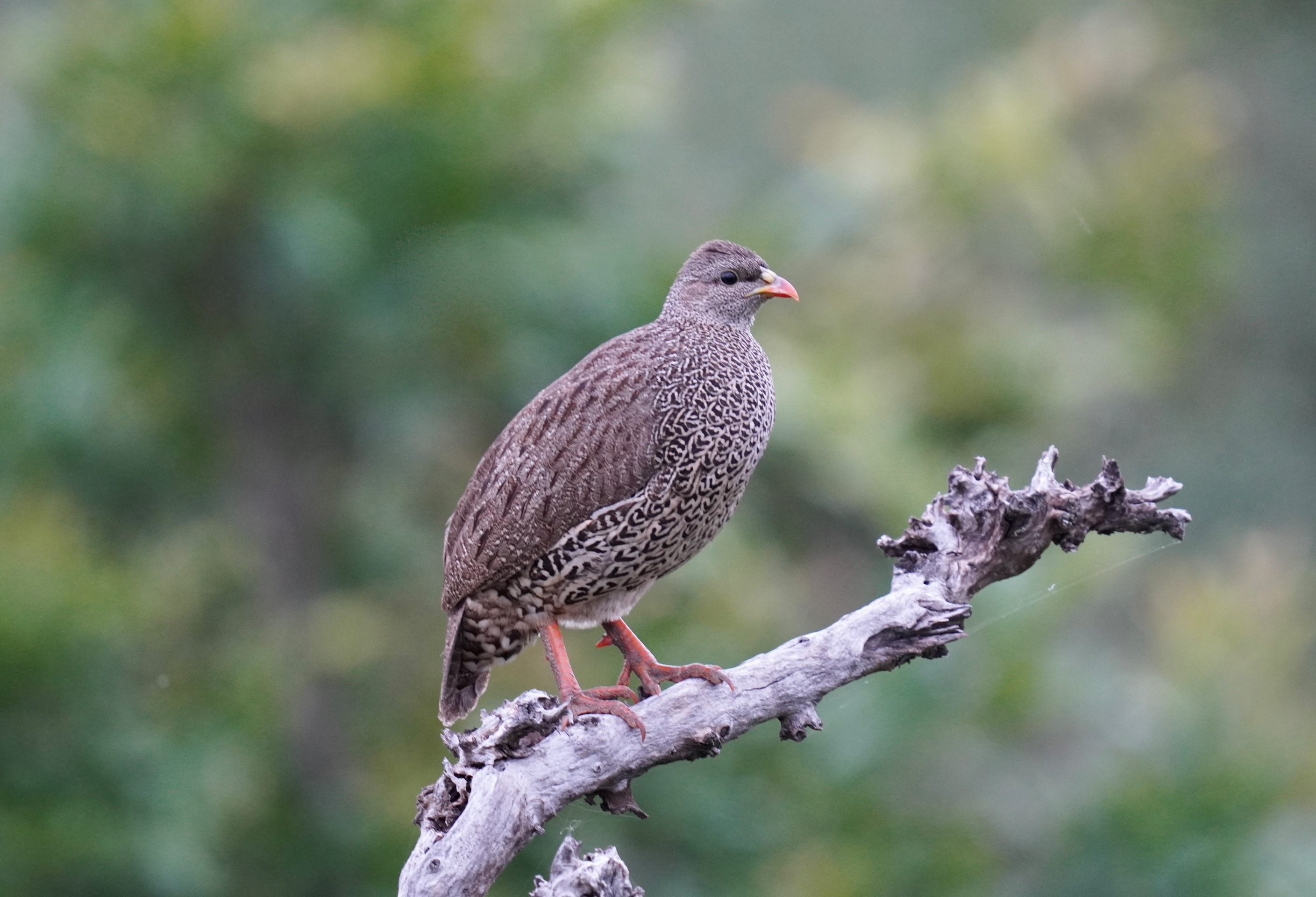
As the day came towards the end we drove back to the lodge and were lucky enough to have a perched Cape Spurfowl close to the road.
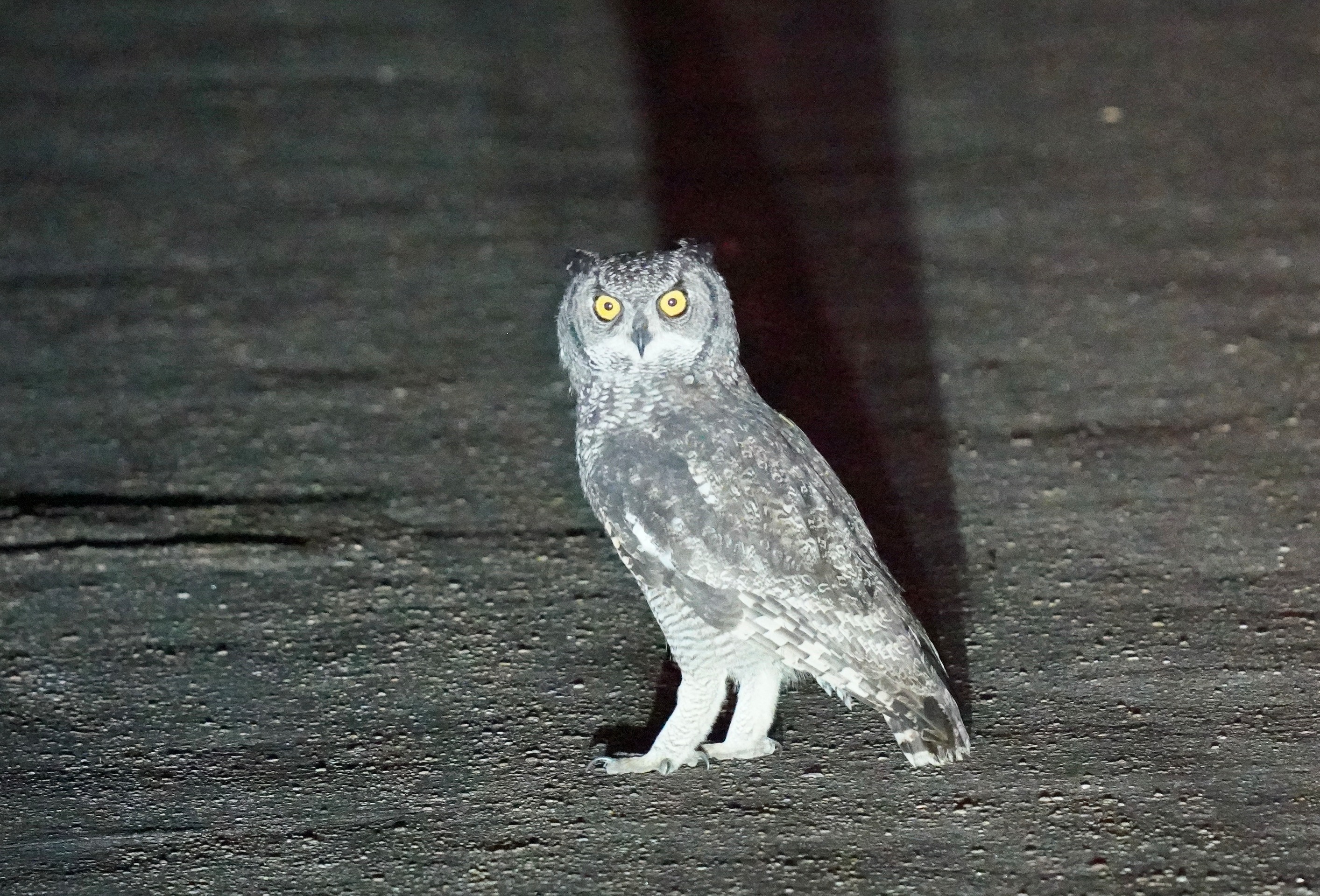
One good thing about Kruger is that they allow night drives with the park rangers. I had one of my target for just a few seconds, the Bronze-winged Courser but never time a enough for a photo. These Spotted Thick-knees stayed long enough on the road though and so did the Spotted Eagle-Owl.

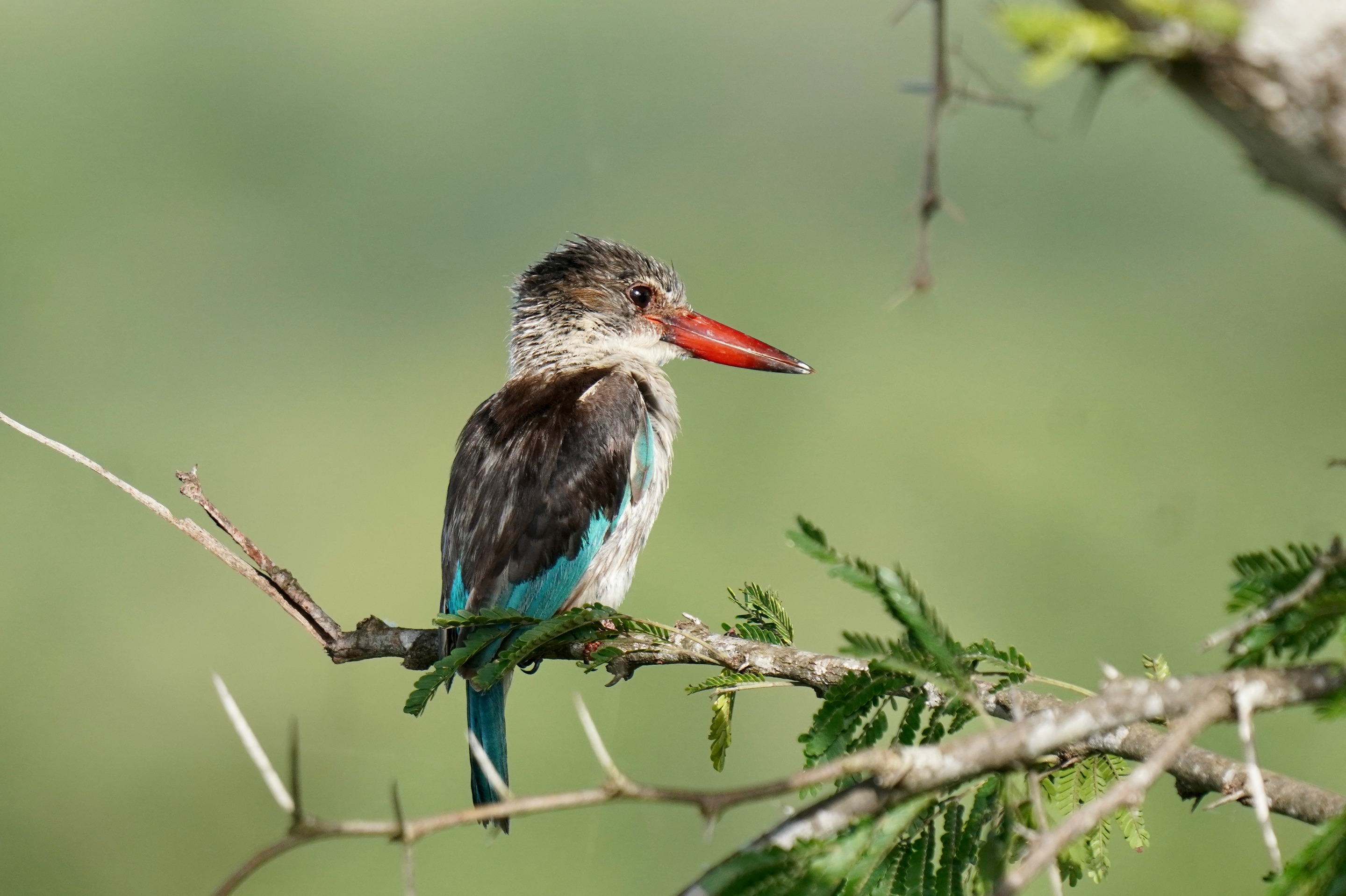
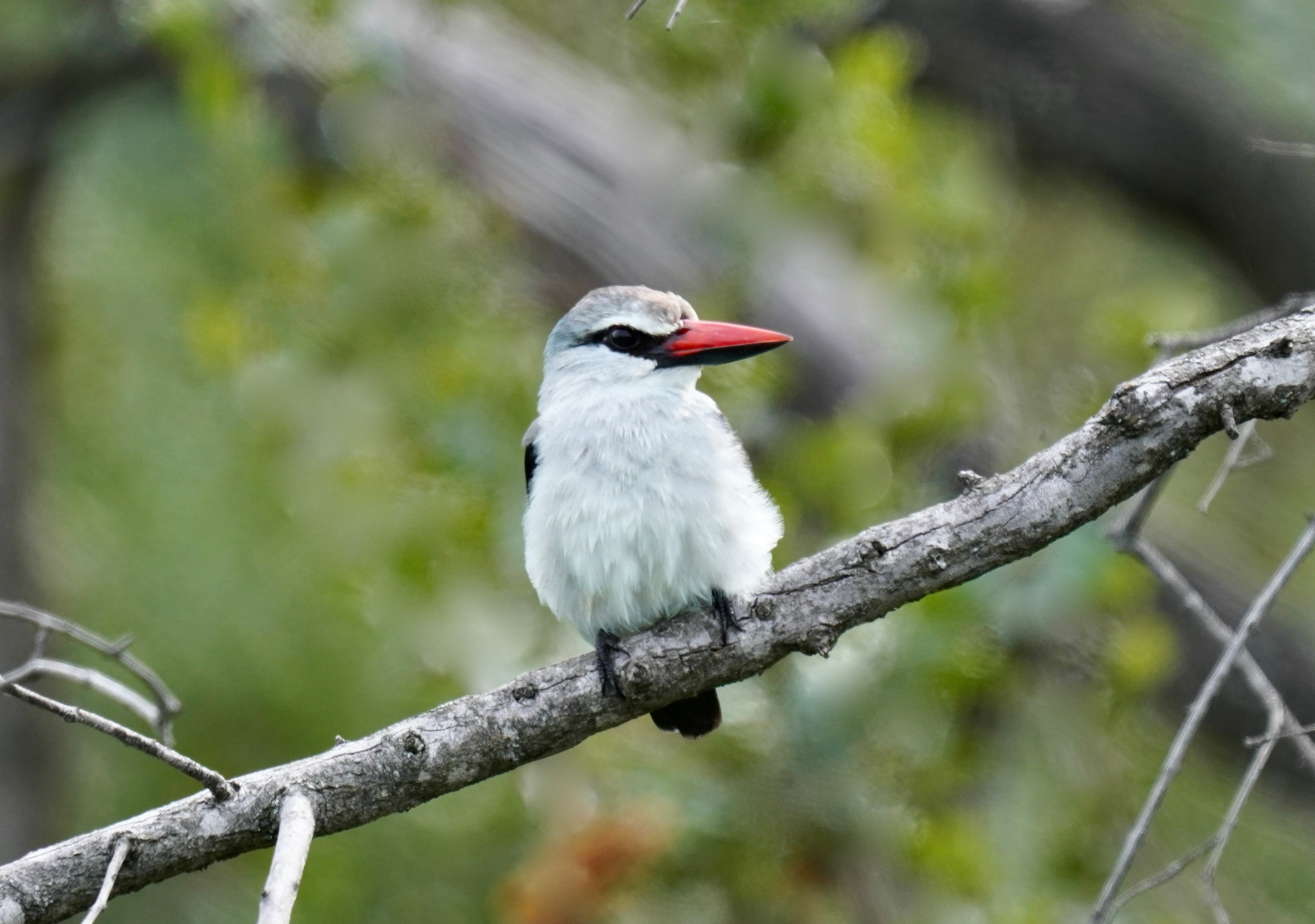
Next day we drove up further north in hope for new sightings. A funny lonely Spotted Hyena was having a meditating bath in the river. New birds for the trip was this Striped Kingfisher and a sought after lifer this Woodland Kingfisher's voice was heard at many places through the park.
Brown-hooded parrot was seen at Skukuza rest camp where we had a brief stop.
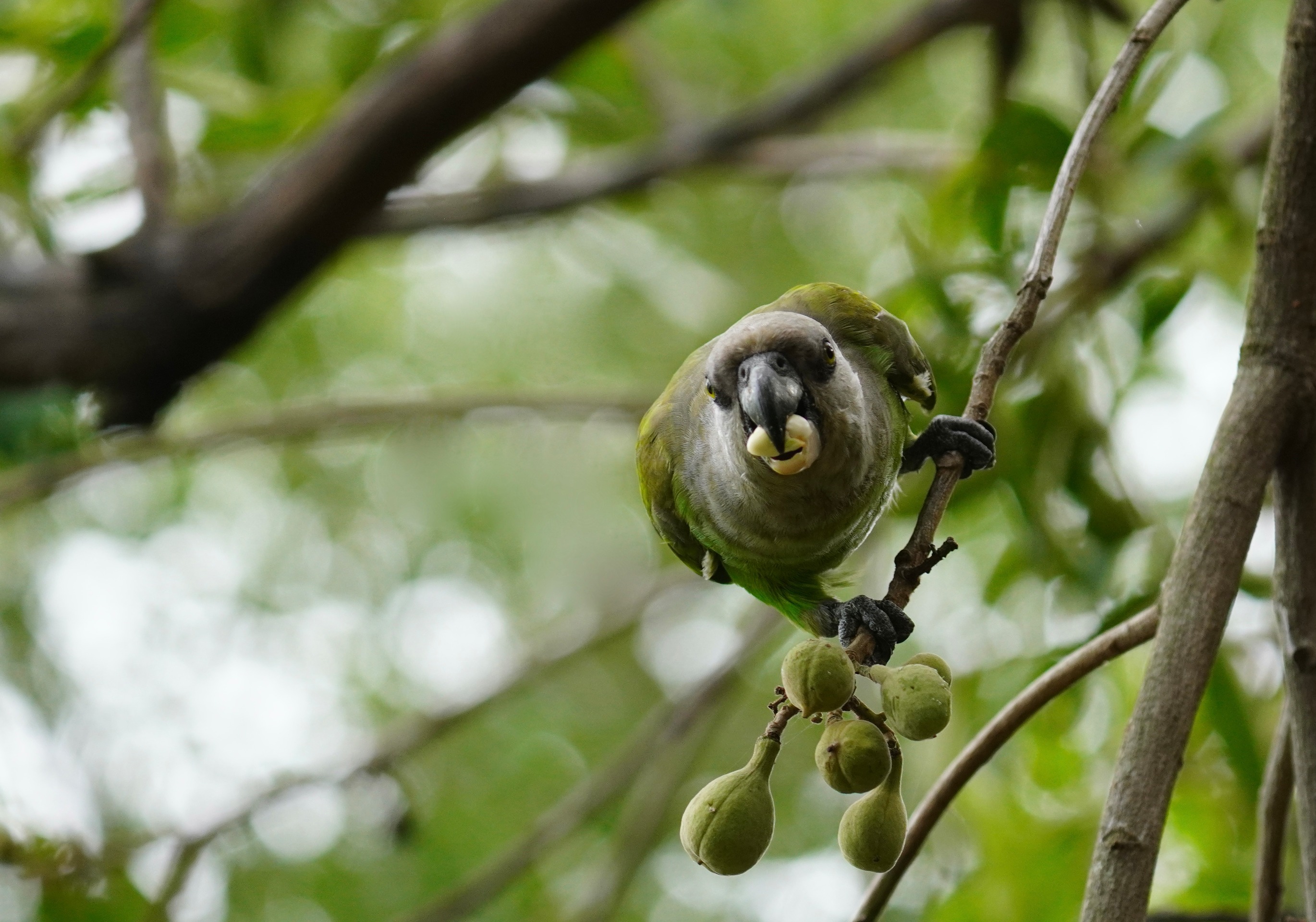
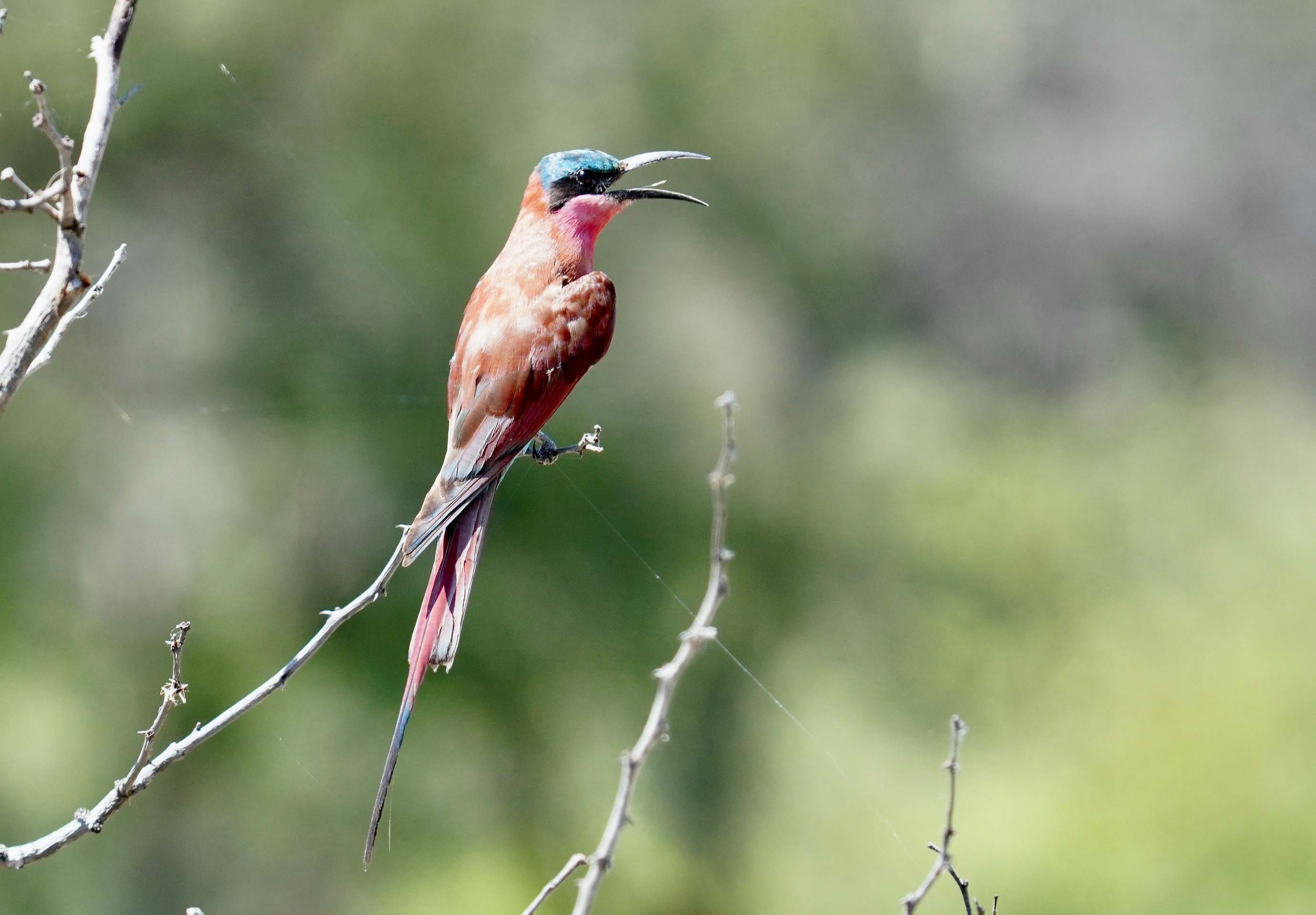
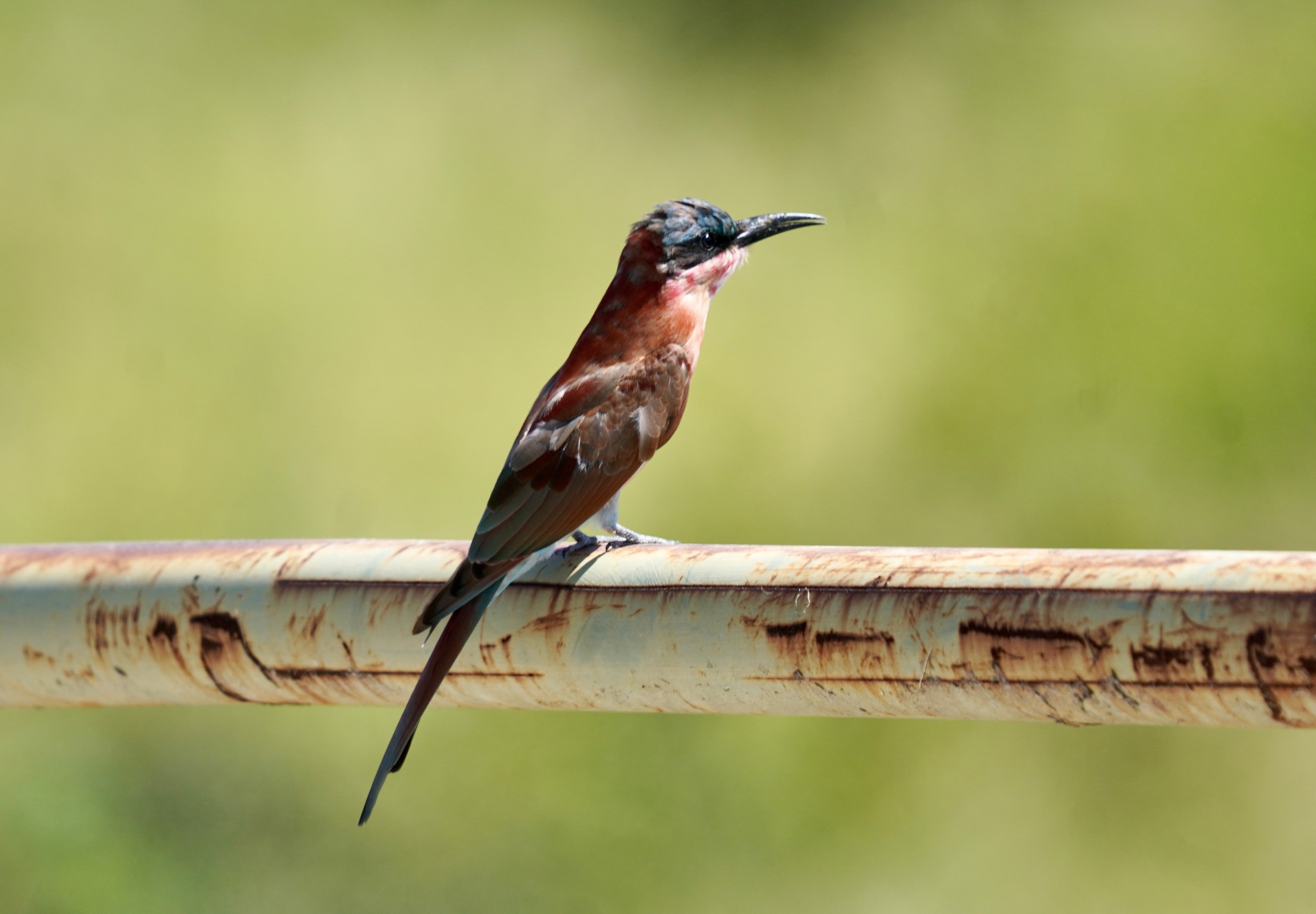
This day we headed further north as we had to make a large detour. The reason was the extremely heavy rains that hit Kruger in early January. Several roads and even lodges were flooded. Still we we got there, some places were still flooded and we saw obvious damages at many places.Up here we saw our only Leopard, a brief sighting of a male walking through but not in place for photos. At the river up here I had one of my more sought after species, the Southern carmine Bee-eater, which surprised Andy a little bit as they normally hang around even further north in the park. Her 2 different birds in different light.
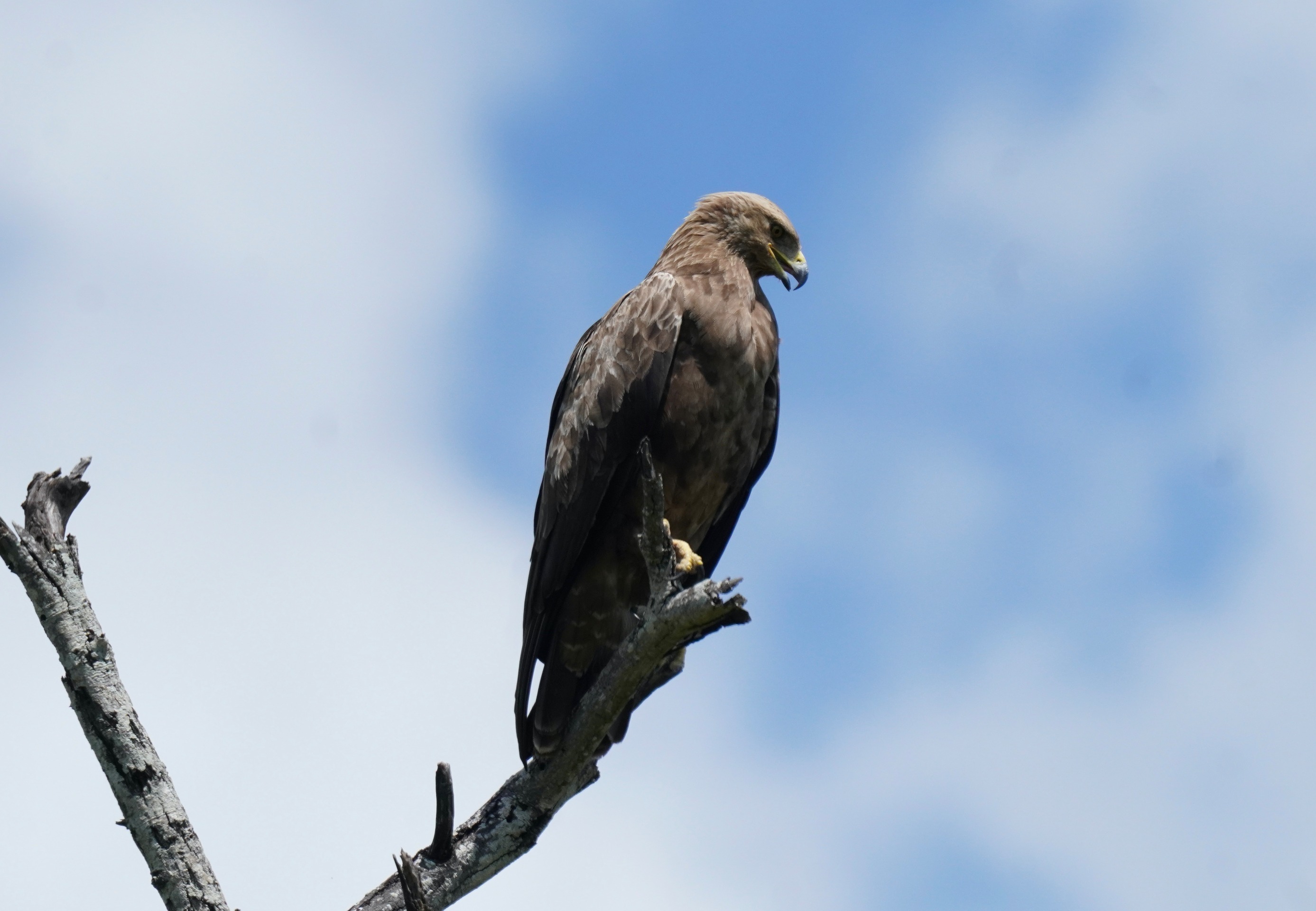
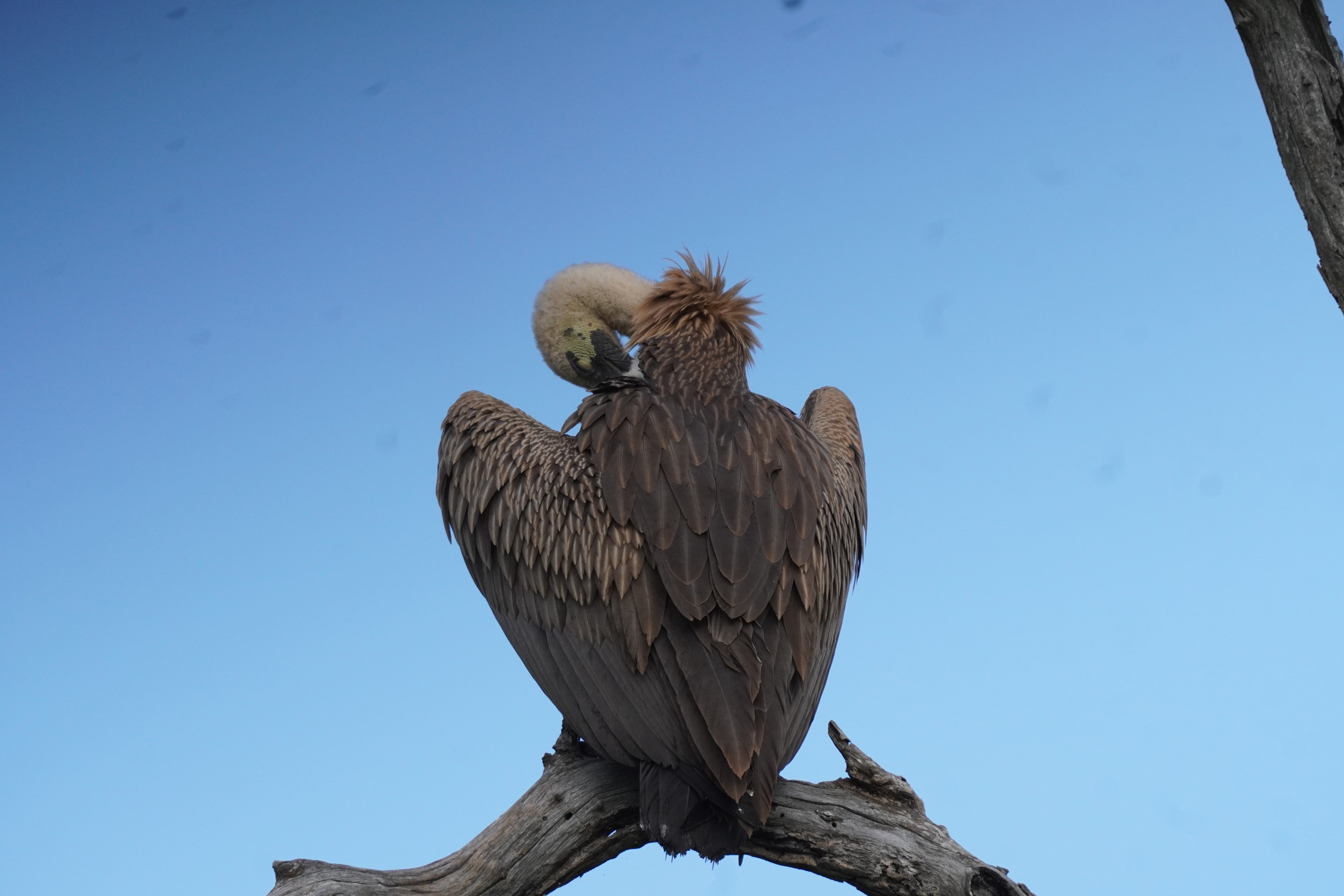
This section is very beautiful and you almost get a feeling of the big plains in East Africa. An area of many raptors and Vultures and among them Steppe Eagle, White-backed Vulture and ....
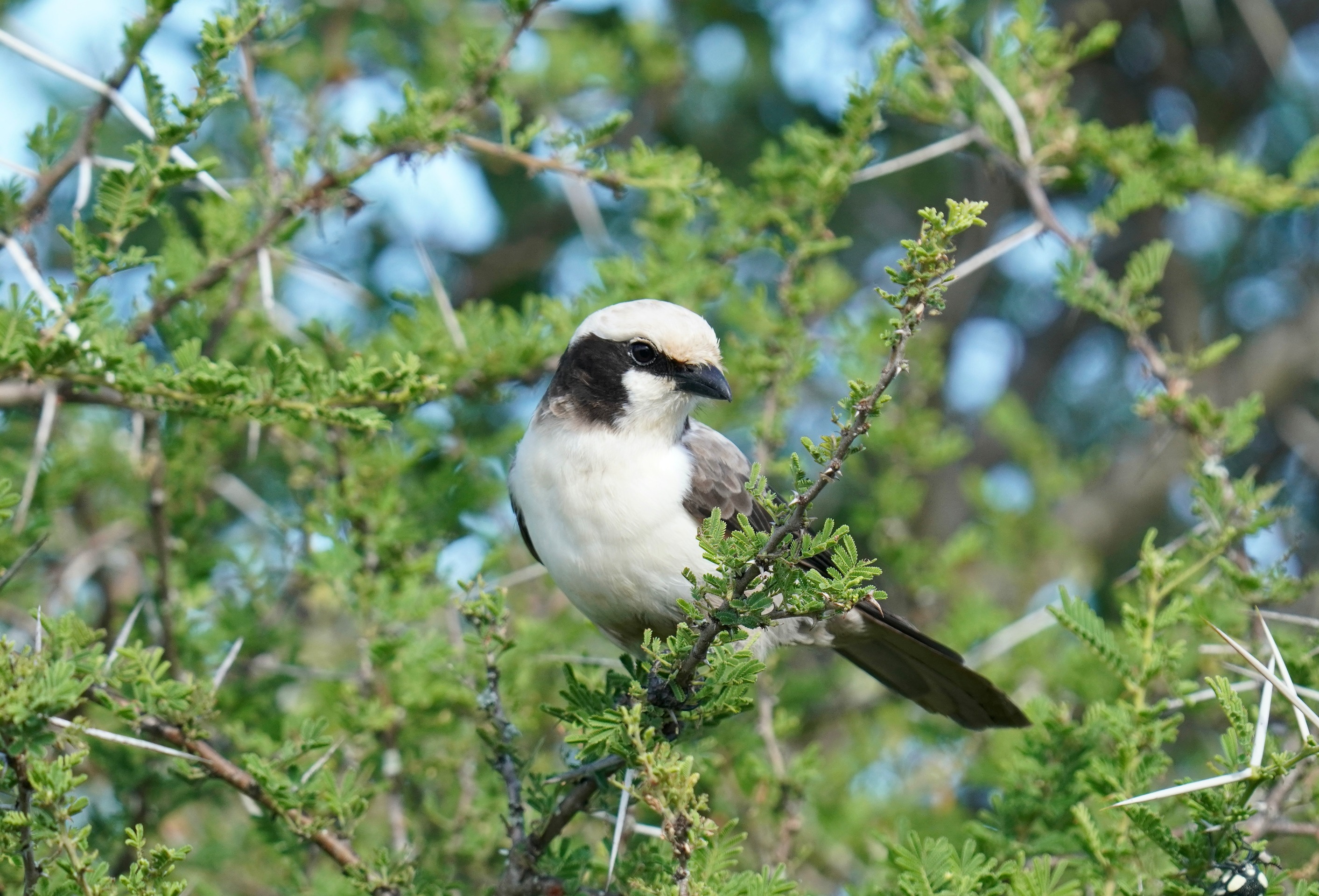
As we came closer to Lower sabie, our second lodge nature became more vegetated again. Here we saw Arrow-marked Babbler and S. White-crowned Shrike.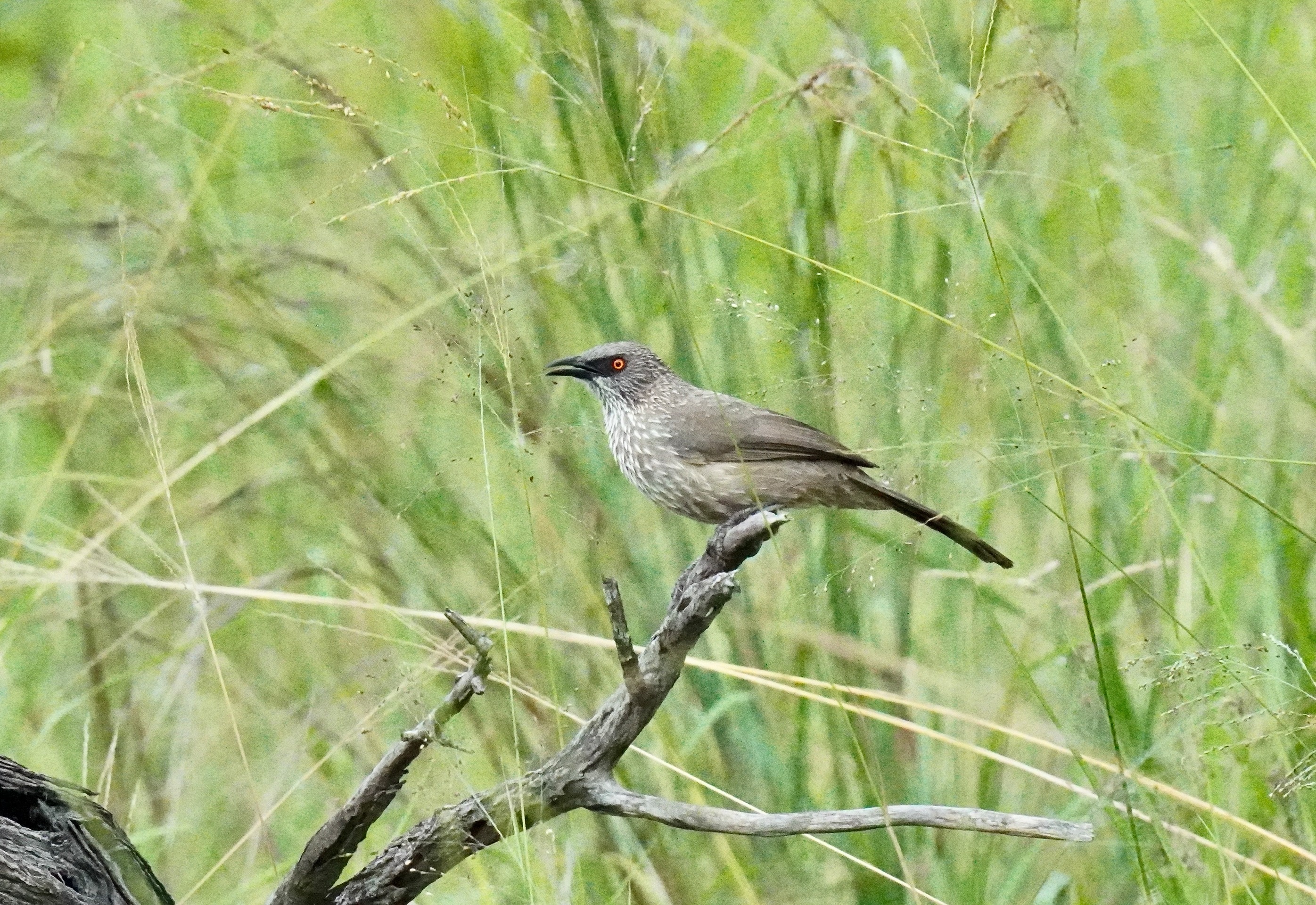
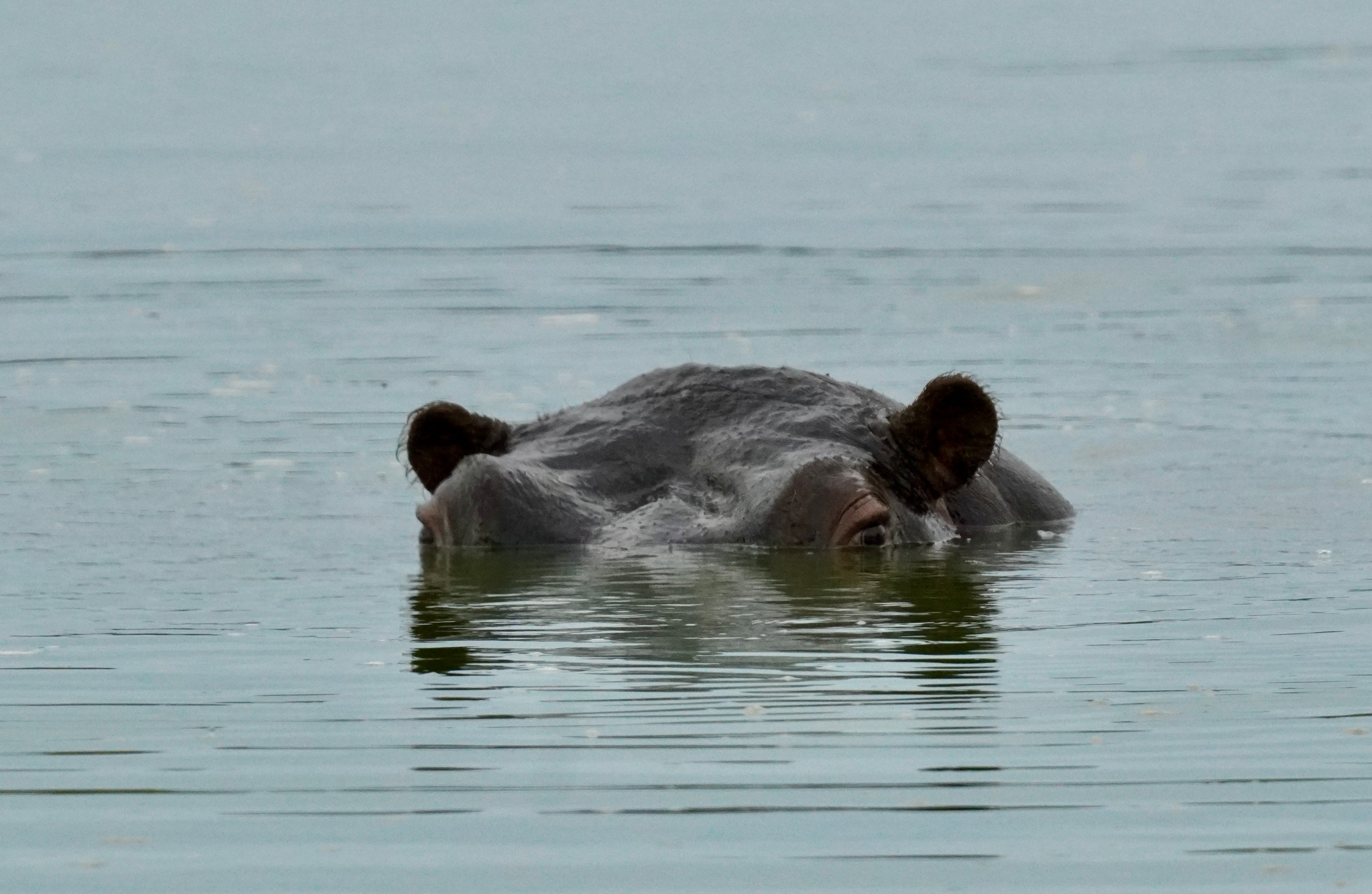
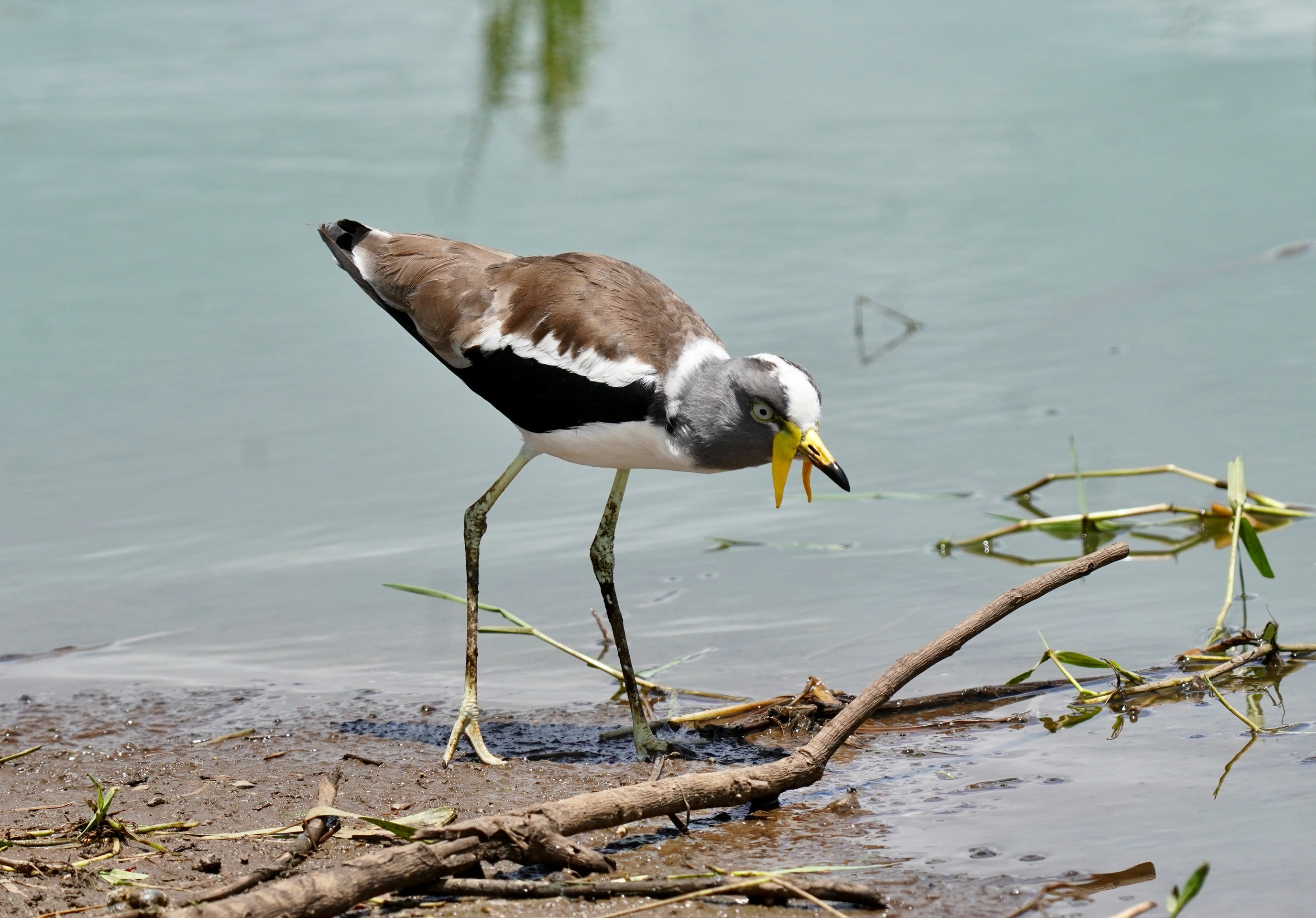
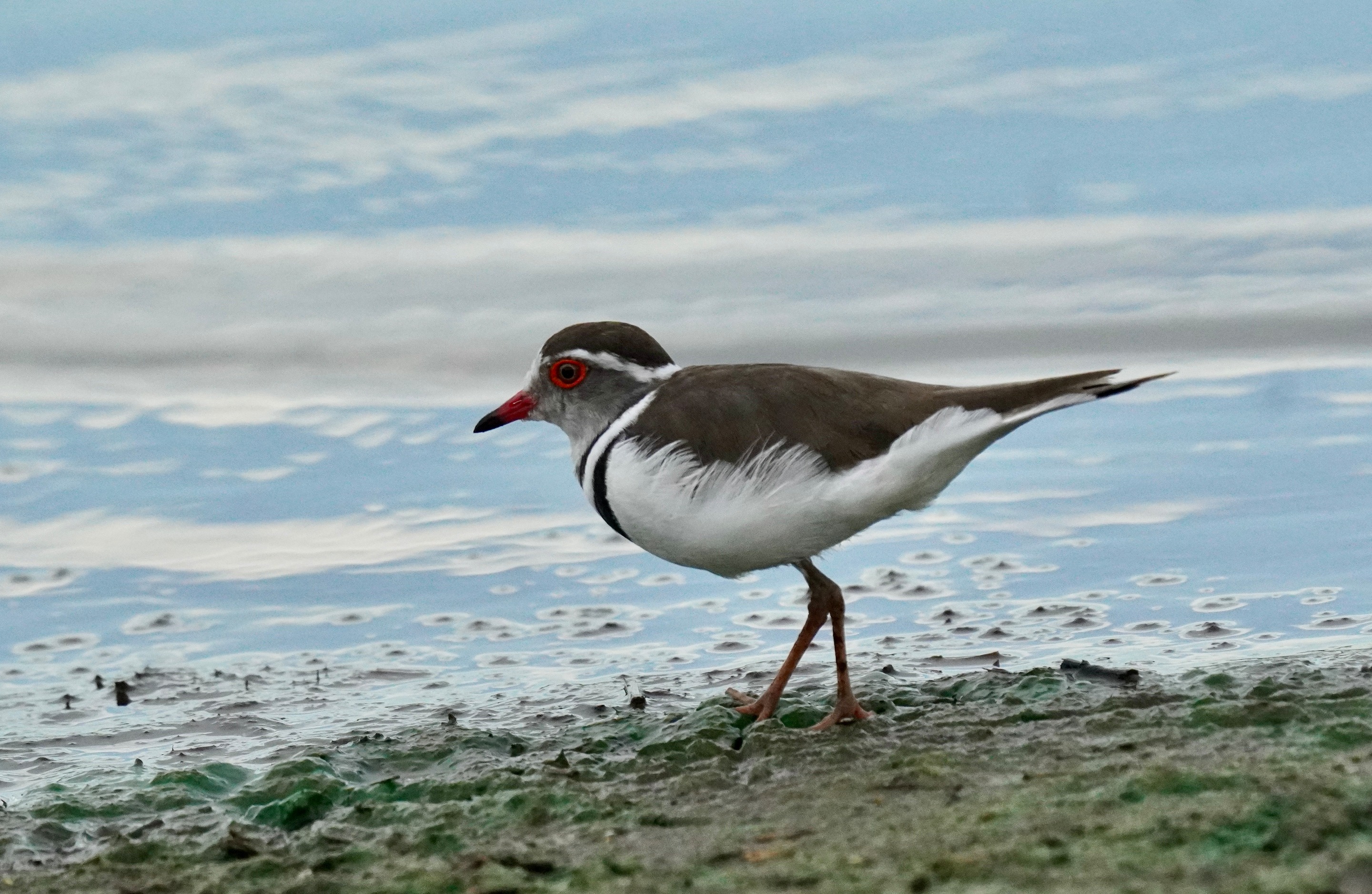
Lower Sabie lies right at one of the wider sections of the river and in this area there is also a small lake were Hippos live. I had a nice reunion with teh white-crowned Lapwing which I saw in Selous GR in Tanzania where it is rare. Also here the more common but still stunning Three-banded Plover.
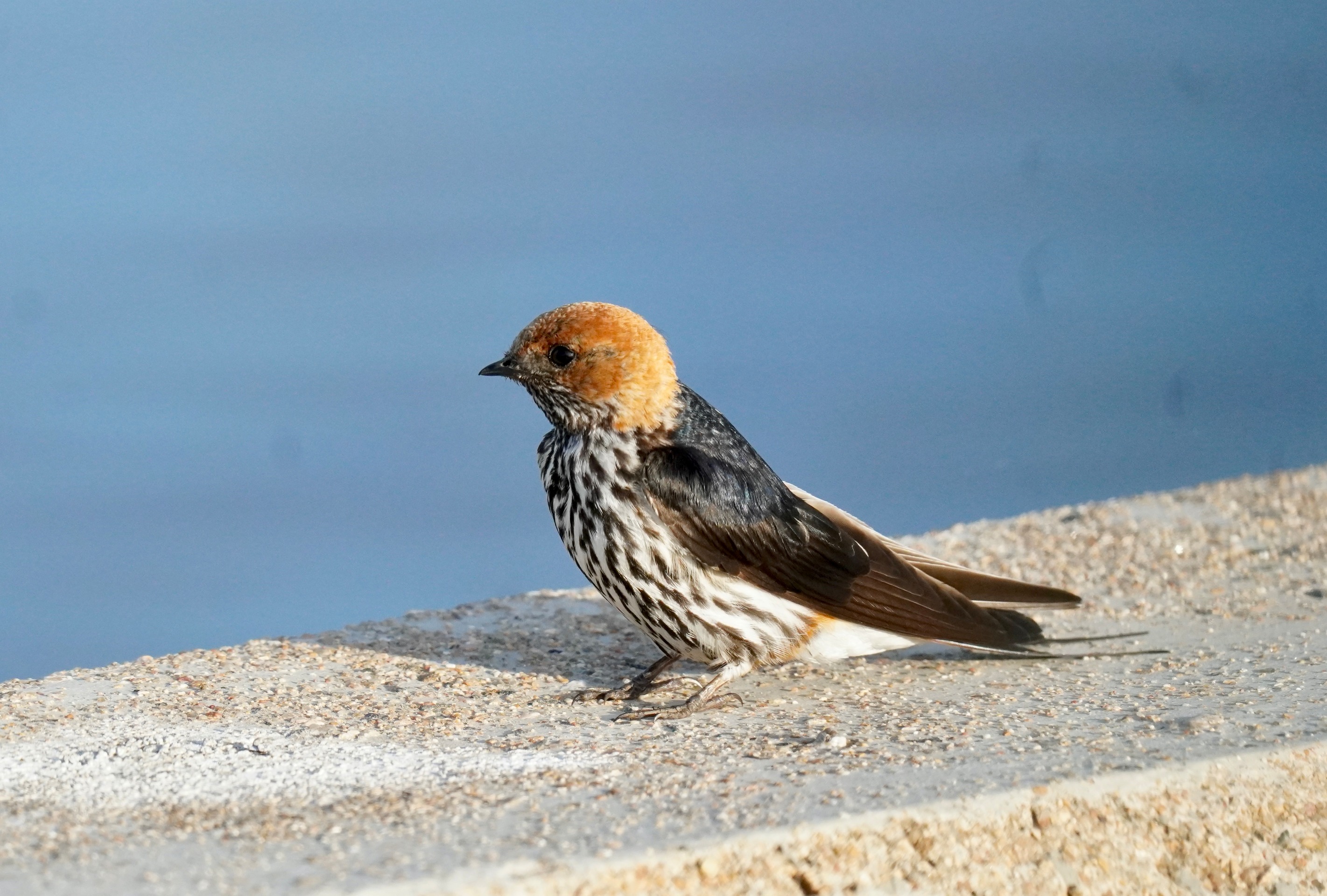
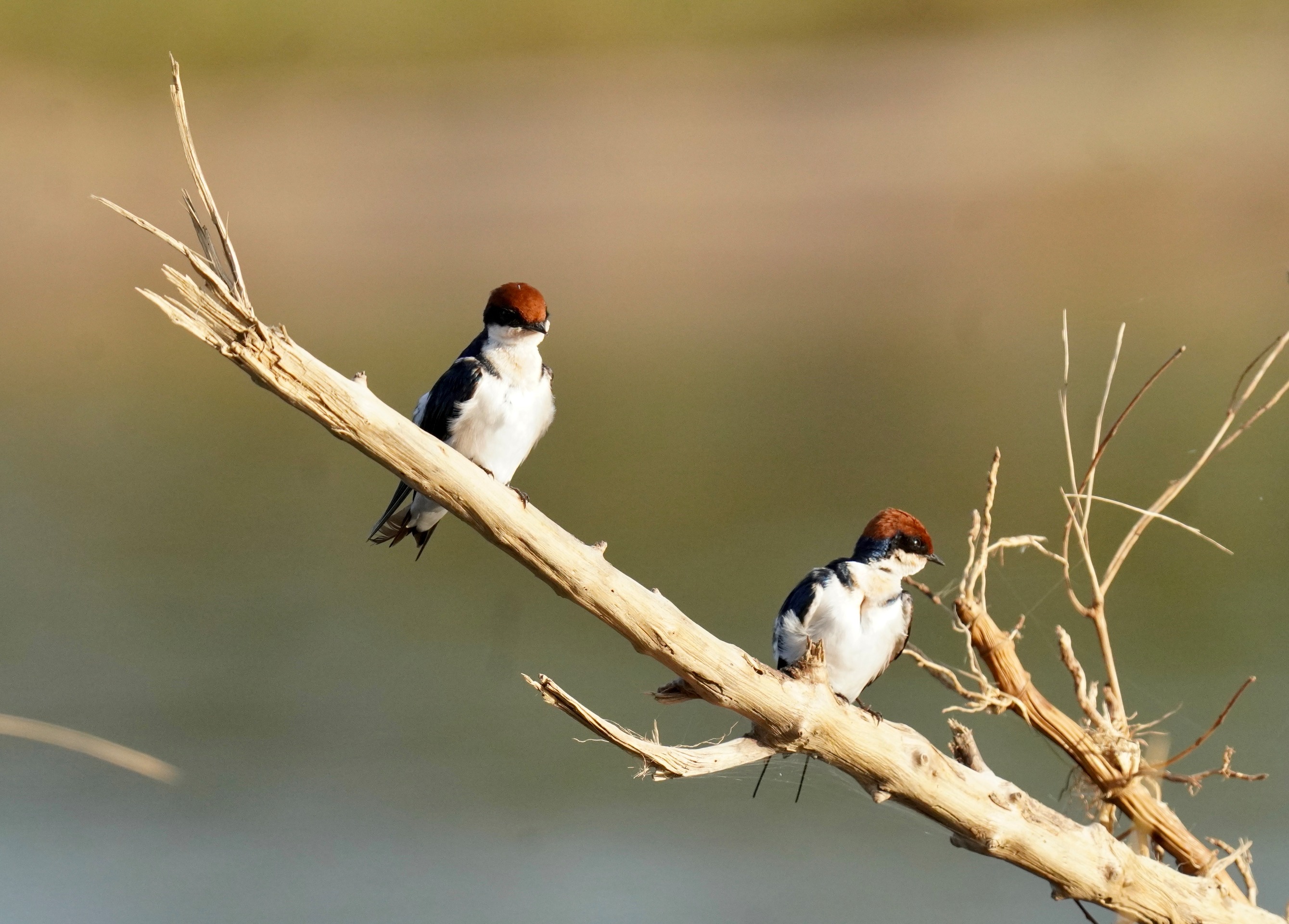
At the bridge here some swallows were enjoying the streaming water next to some stuck grass and branches, probably full of food. First a Lesser Striped Swallow and second Wire-tailed Swallows.
Close by also a handsome White-fronted Bee-eater, quite a few Lesser Grey Shrikes and a lifer with a Pied (Jacobin) Cuckoo.
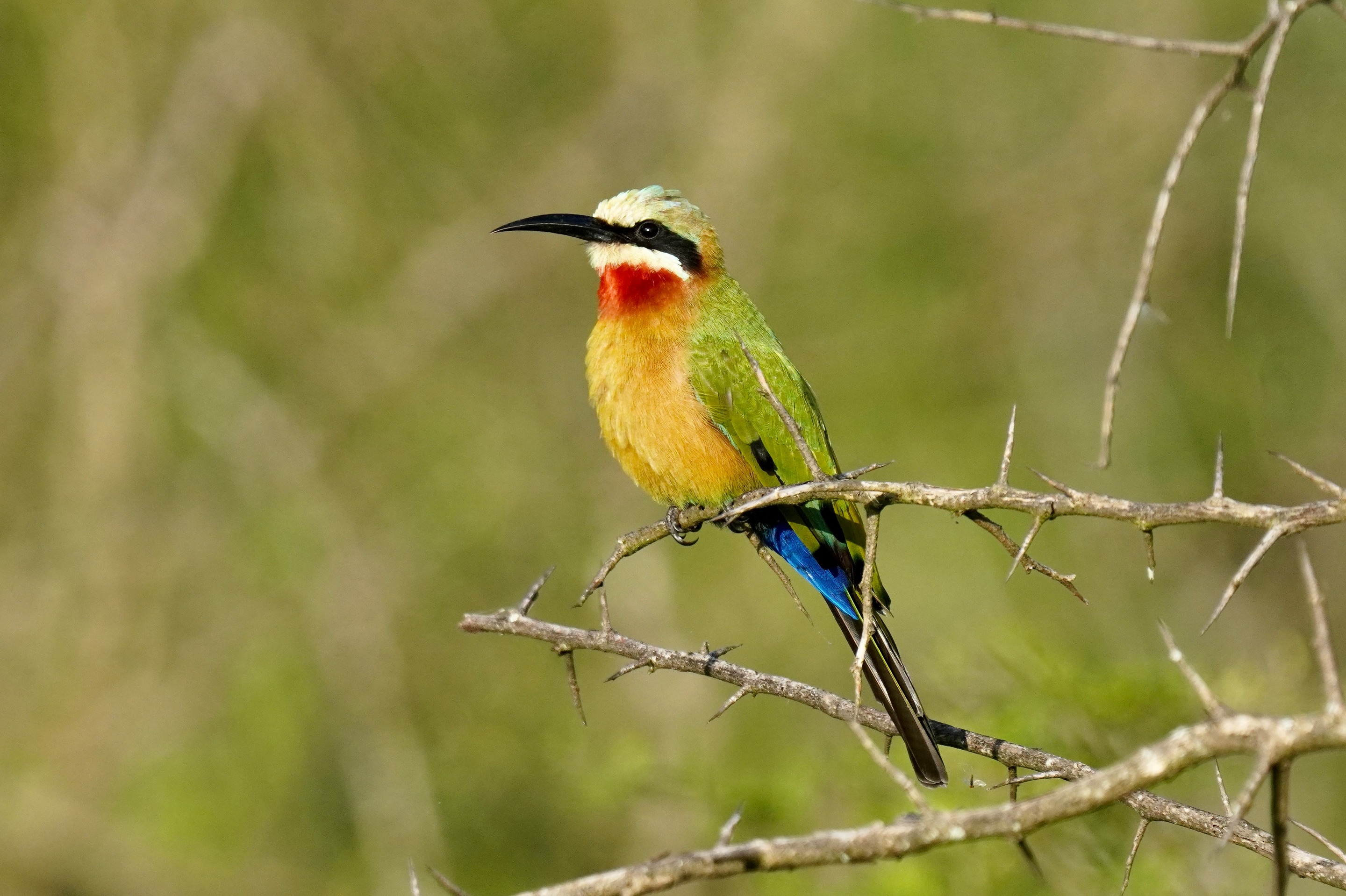
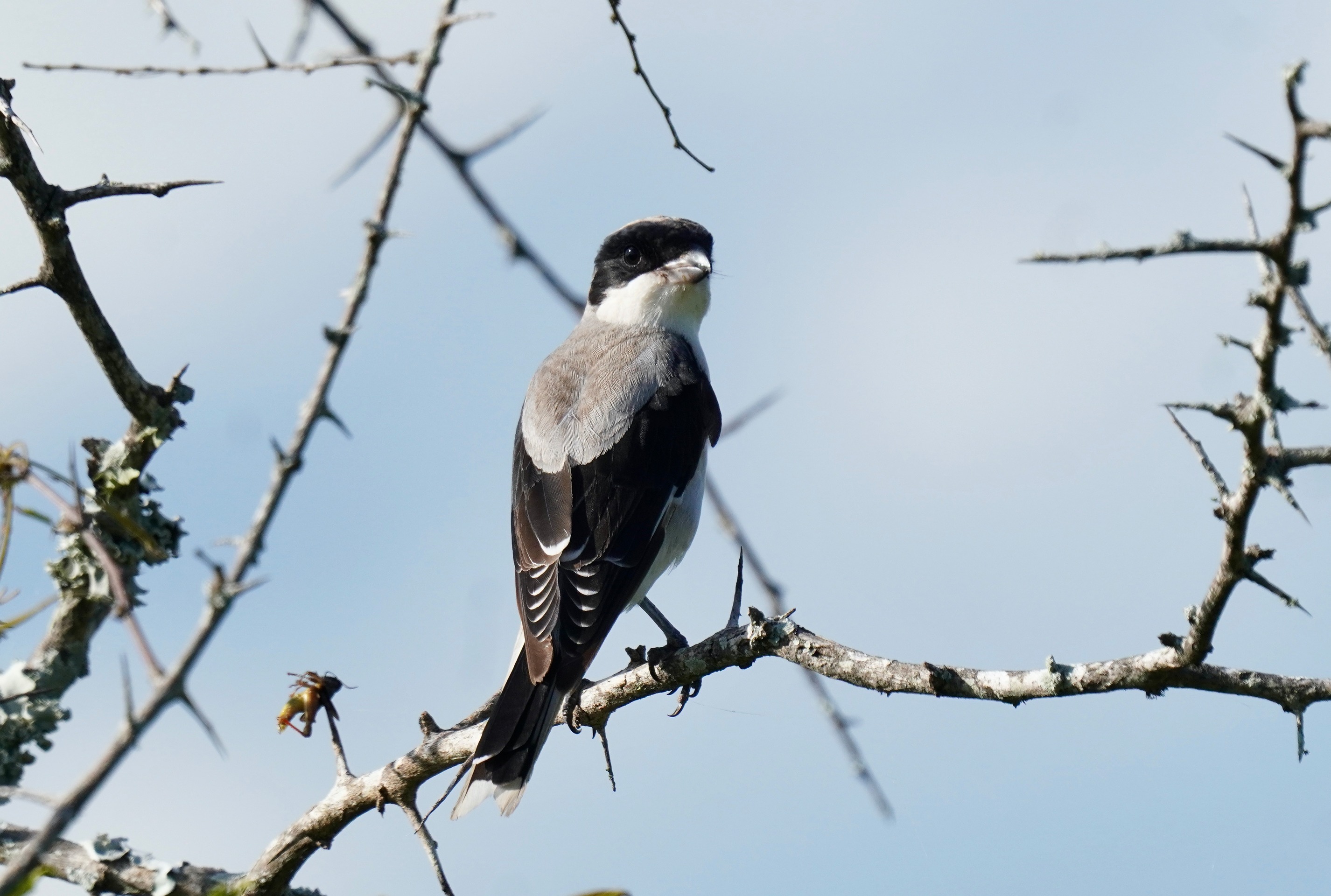
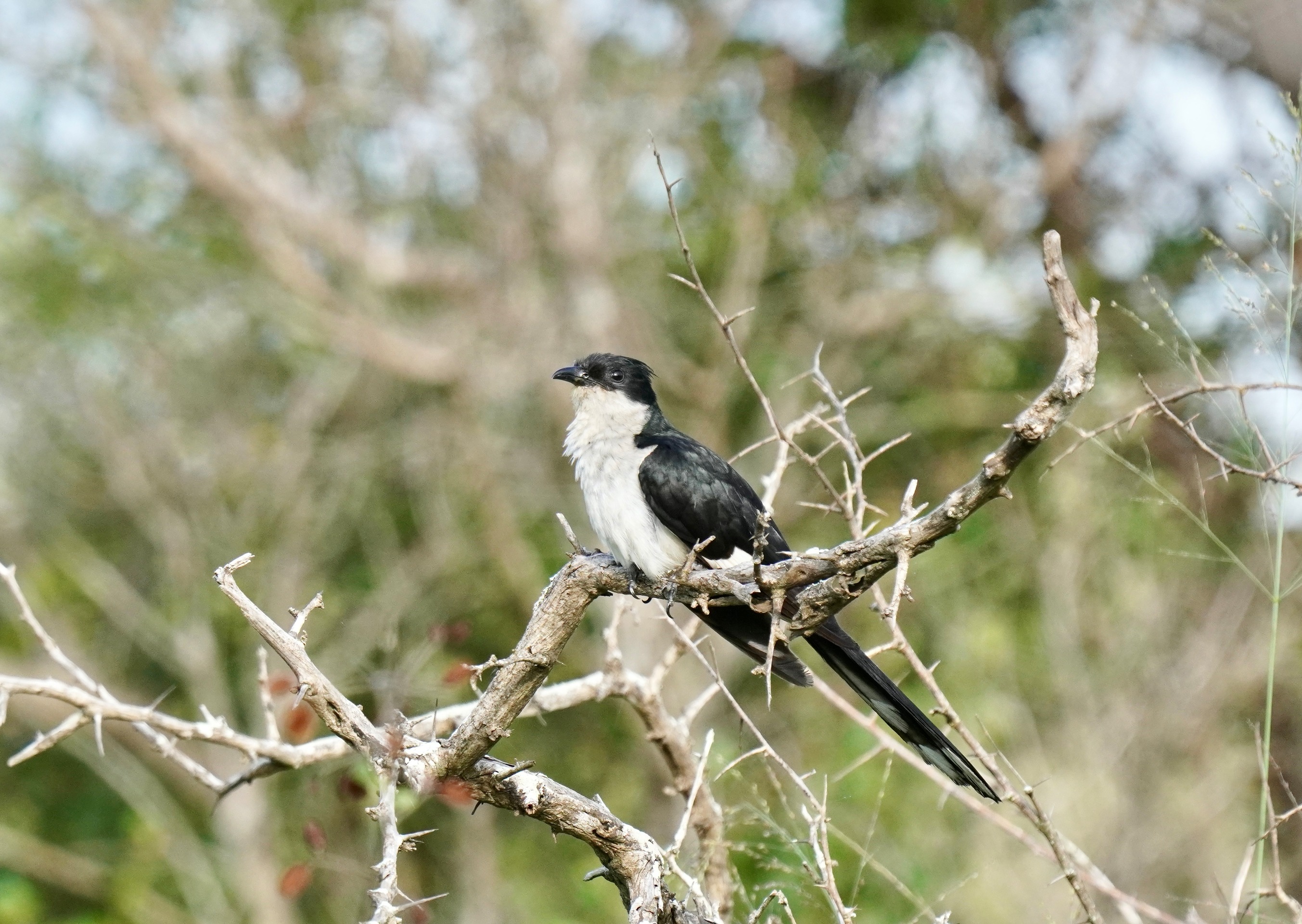
At a smaller detour we saw this water Thick-knee and a pair of skulking White-faced Whistling Ducks.
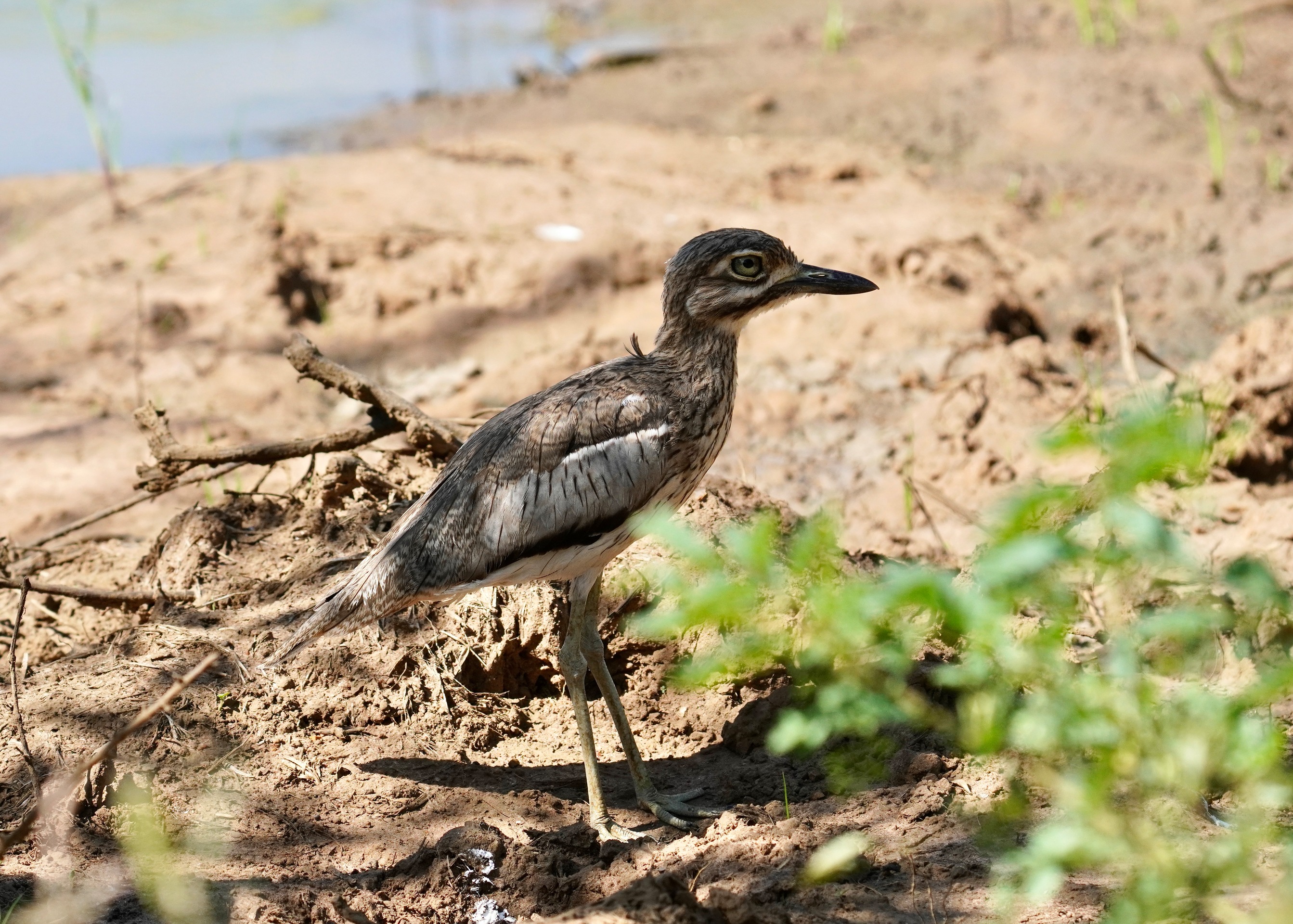
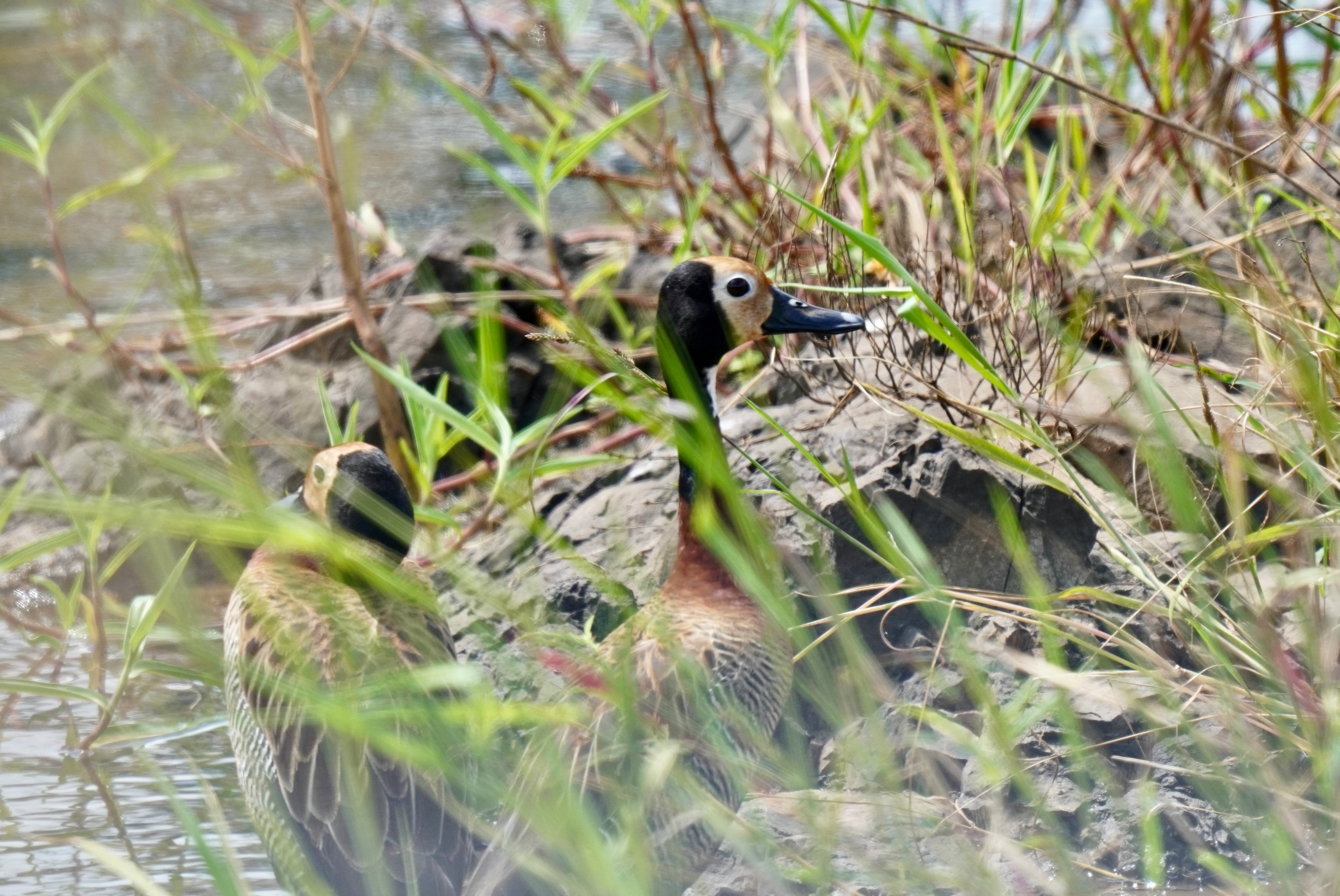
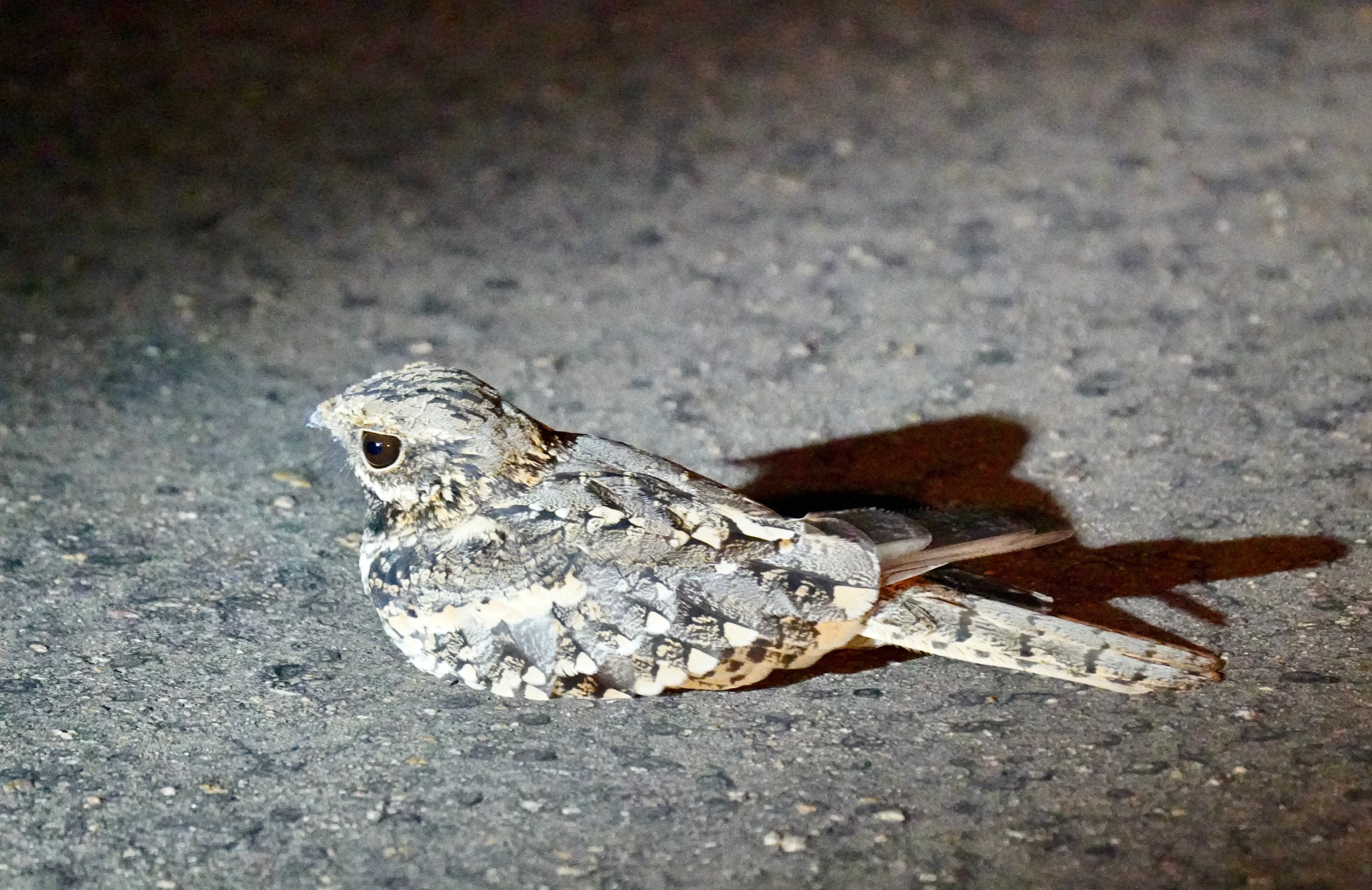
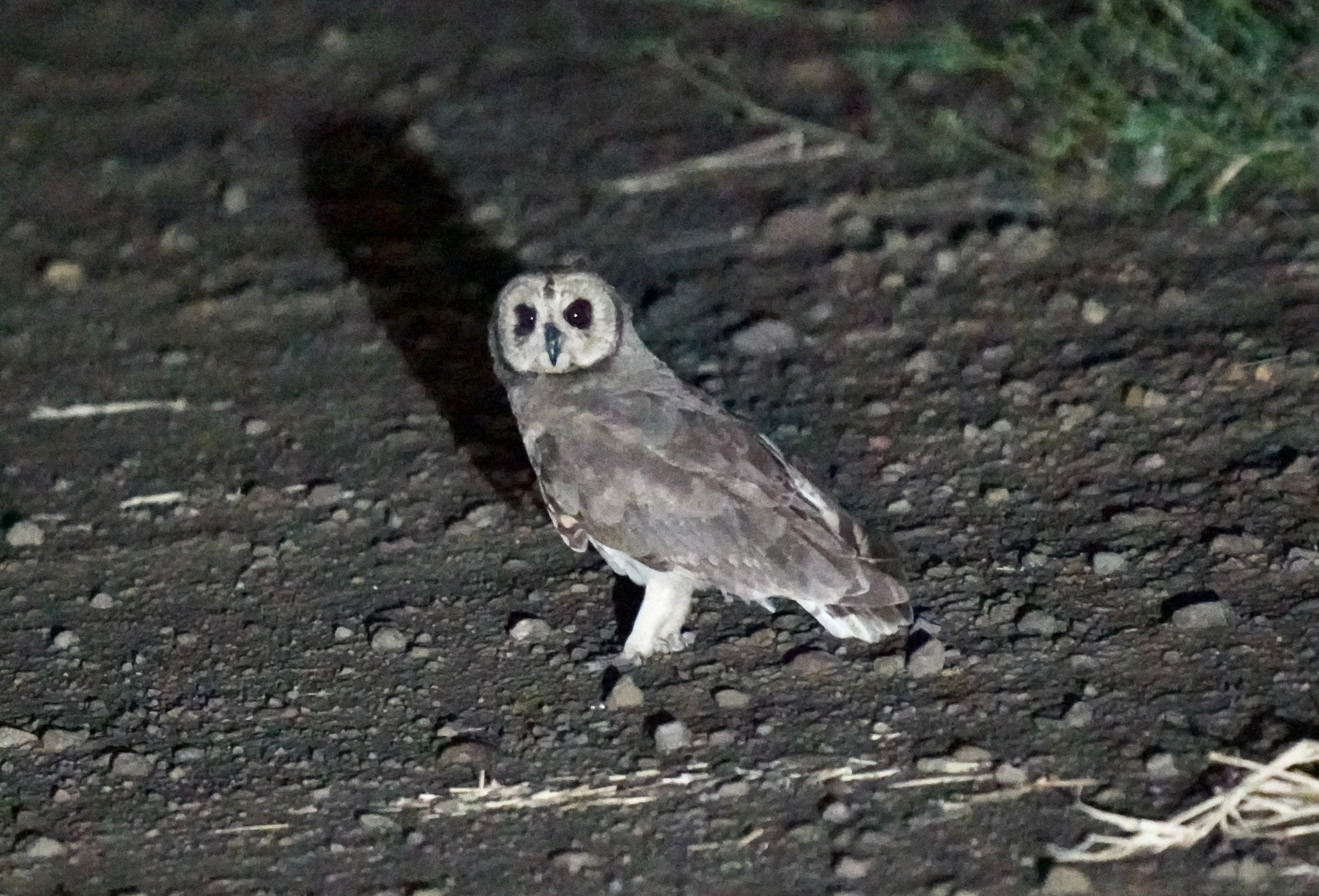
During the night drive at this lodge we saw many Fiery-necked Nightjars, A surprised Marsh Owl and a family of White Rhinos. We also saw (no photos) big herds of Impalas, Black-backed Jackals and Spotted Thick-knees.
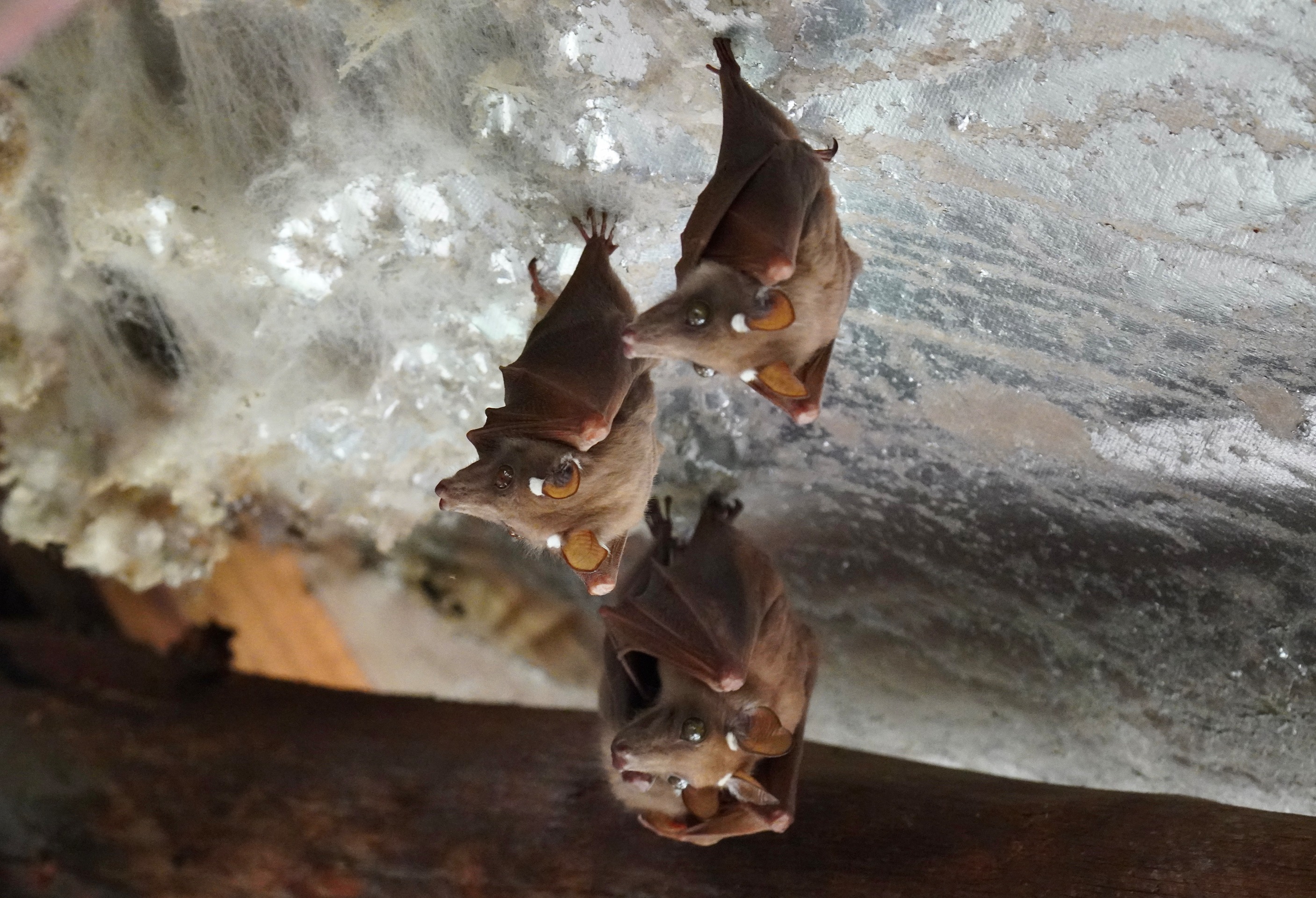
Everything has an end and so this trip. Next day we tried some more in vain for Wild Dogs but we had these cute wahlberg's epauletted Fruit Bats at the exit of Crocodile Bridge.and a stunning Long-tailed Paradise Whydah close by. Andy then drove us to the airport in Johannesburg. Nick going home and I for 5 days in Cape Town to see my son but also to make a trip in to Karoo land north.
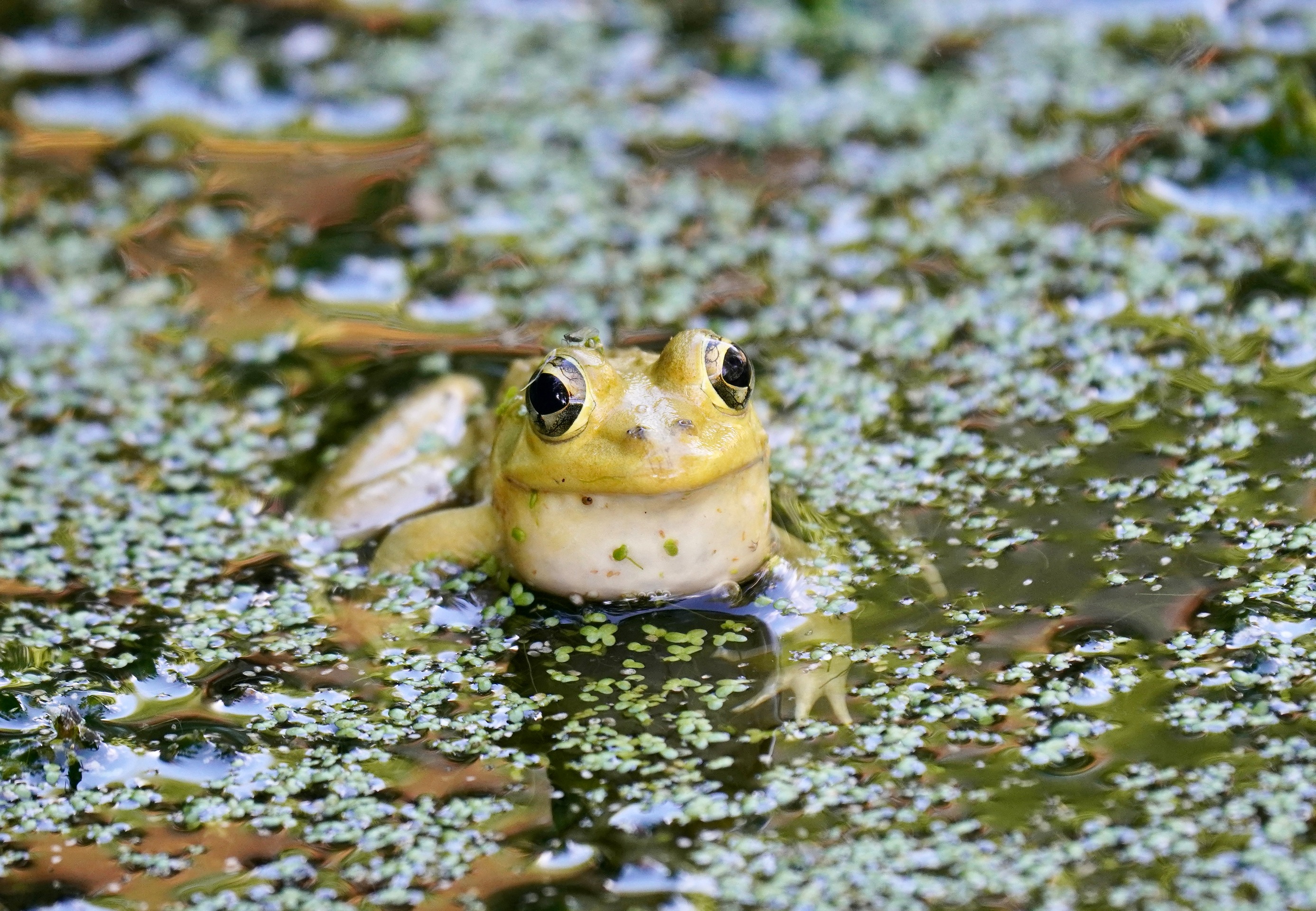
Part 2: I had earlier been in contact with Felicity and Barry who lives here. Thay had agreed to take me for 2 days out there to try seeing Burchell's Courser. Barry , who has a lovely house in the northern outskirts of CT was very kind to let me sleep in his house for a more convenient start of our trip. Before we left, we had a walk in his lovely garden and had brief looks at a Black Sparrowhawk as well as these cute Cape River Frog.
So we picked up Felicity and took off. Nice to see the landscape change dramatically from mountain to dry plains with just low bushes. The wind was against us and made birding quite hard. I had a few Karoo lifers but didn't come close enough for photos. The night was spent in an apple growing district and before dusk a had a walk and saw this nice Cape White-eye.

Next morning we head off early to go further away to Tankwa Karoo NP where we would have a slim chance to see the Coursers. Here a morning picture from the flat dirt road (this part resembles the Australian Outback quite a bit).

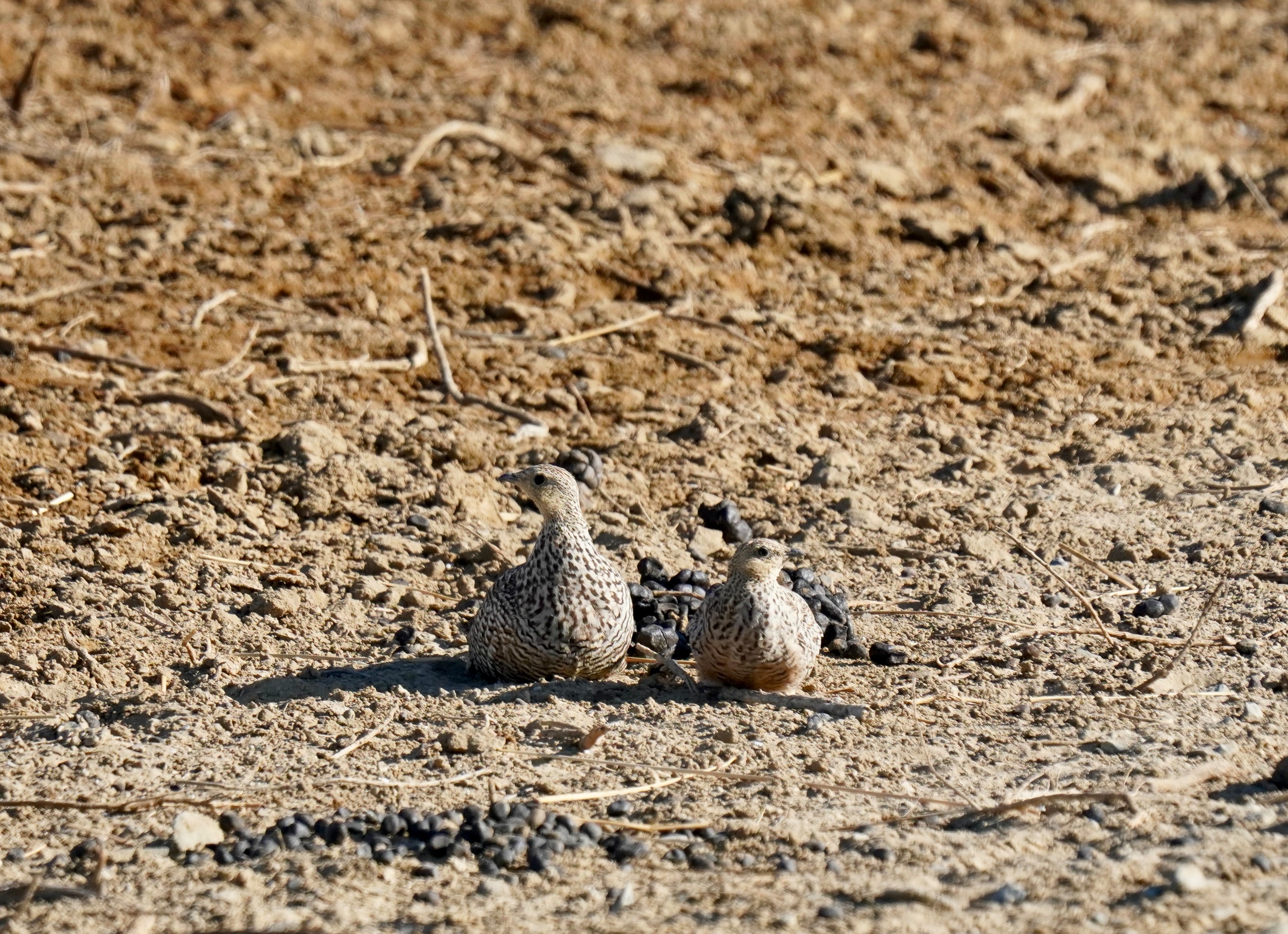
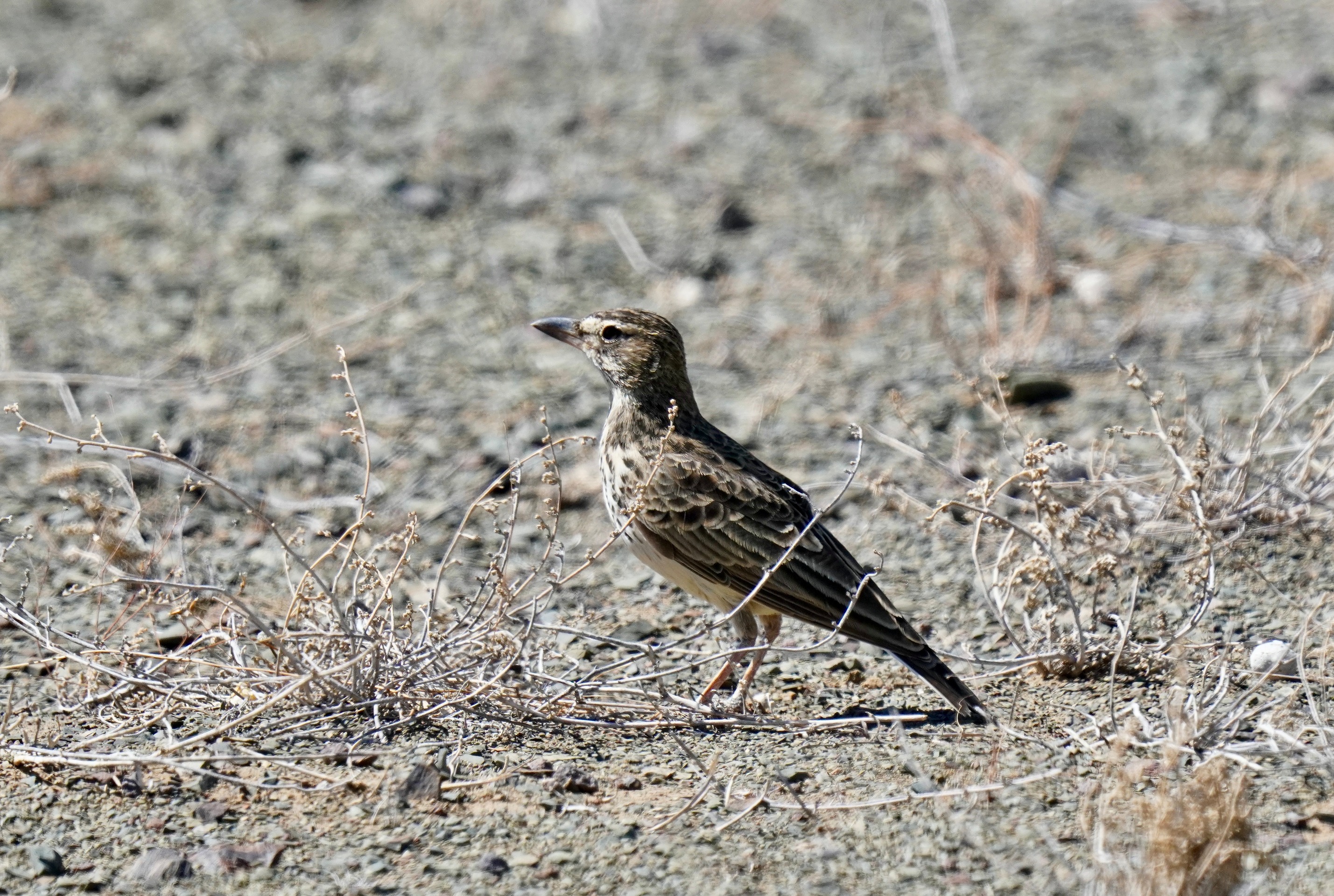
Also today I had a few lifers and also some birds seen before. Here a pair of Namaqua Sangrouses, a flock of Cape Sparrows and Yellow Canaries, Large-billed Lark and male Grey-backed Sparrow Lark
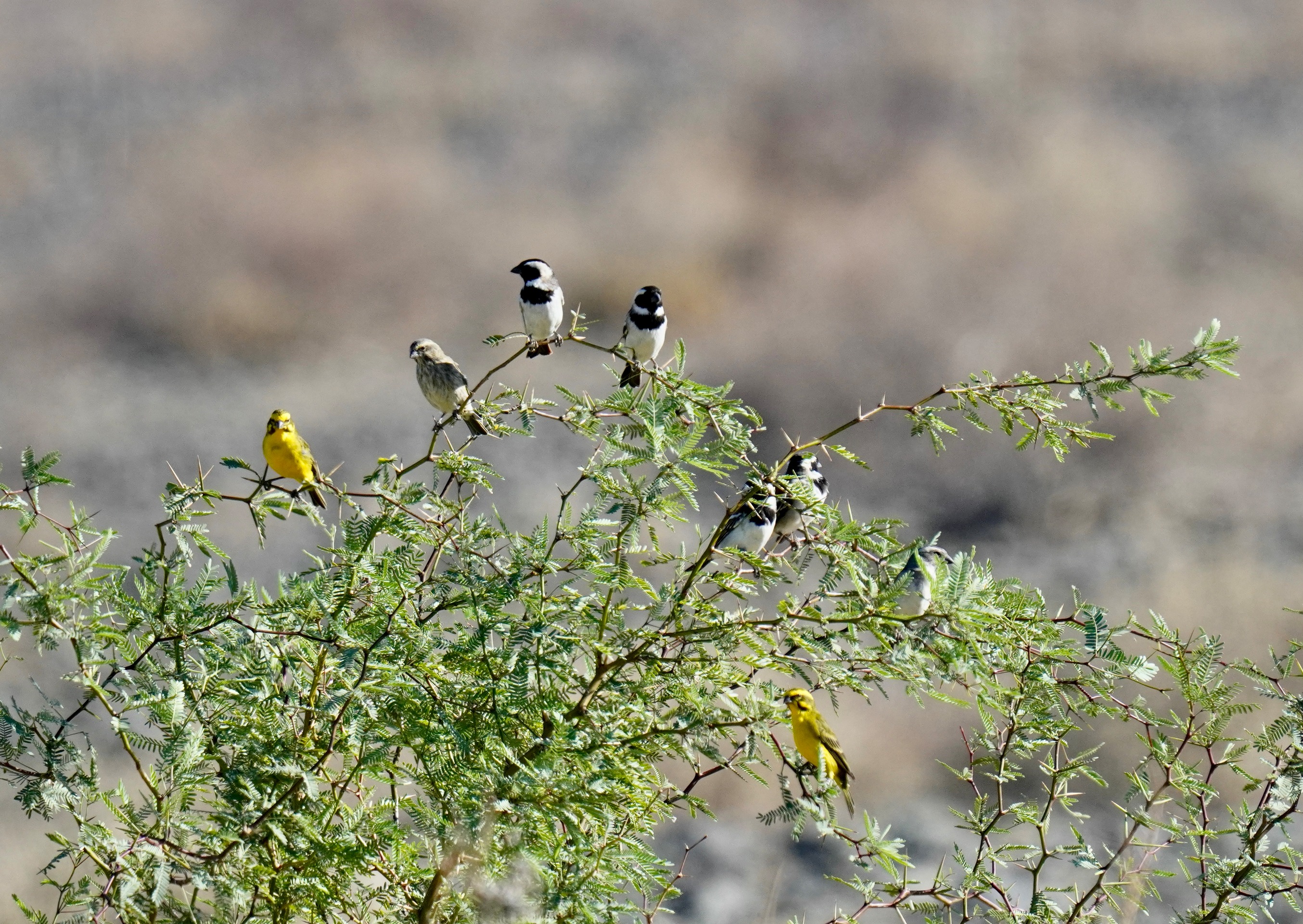
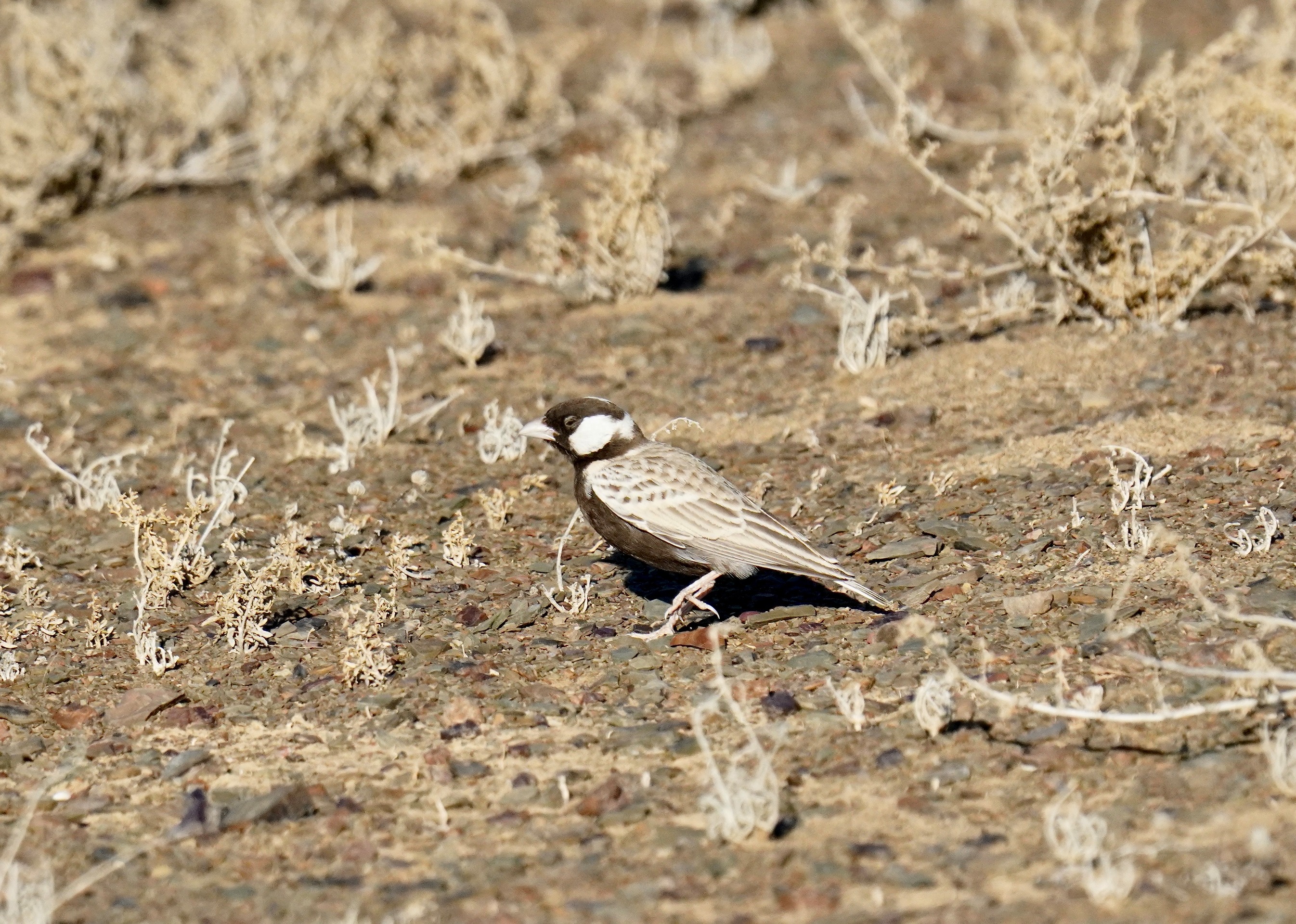
No Courser's though Larry found foot prints of it. New try an other time:) A surprising sighting was this partial albinistic Ostrich. Here also me and my lovely travelpartners Felicity and Barry. Big Thanks to you both.


After this I went to see my son for a few days but that's a different story. Great Country and a great trip:))
 Add
Add
Previous posts
- Februari 2026
- Januari 2026
- April 2025
- September 2024
- June 2024
- May 2024
- July 2023
- June 2023
- September 2022
- December 2021
- December 2020
- August 2020
- July 2020
- June 2020
- March 2020
- November 2019
- December 2018
- Januari 2018
- December 2017
- Januari 2017
- November 2016
- October 2016
- September 2016
- August 2016